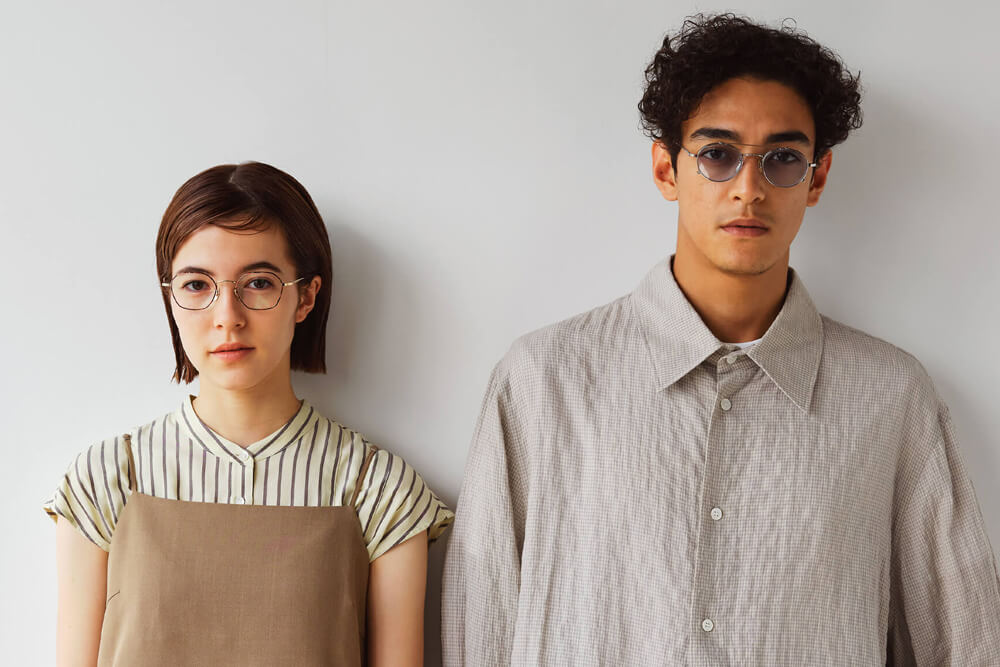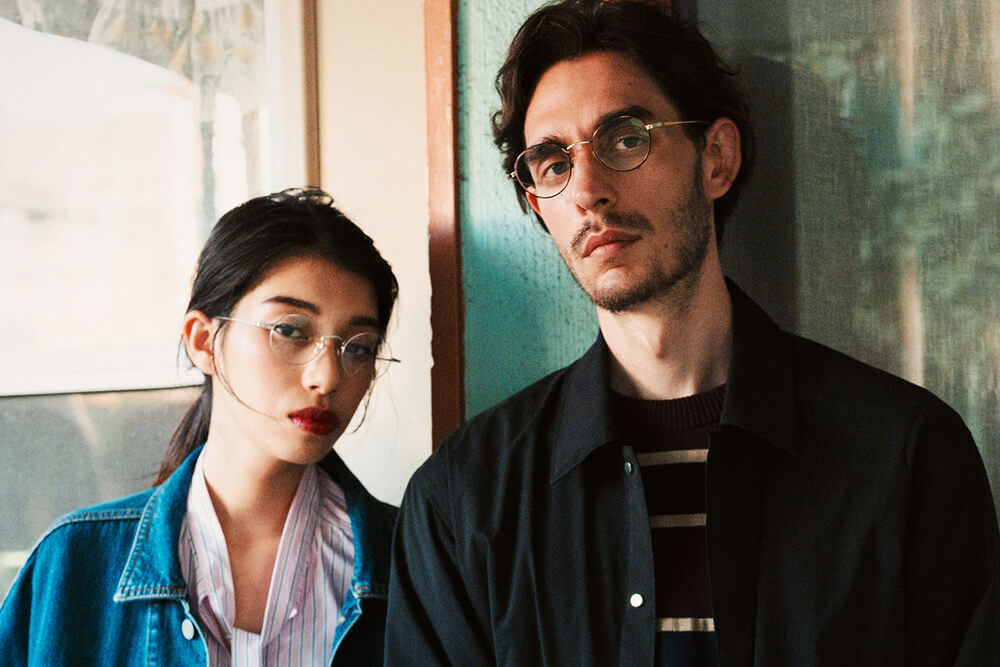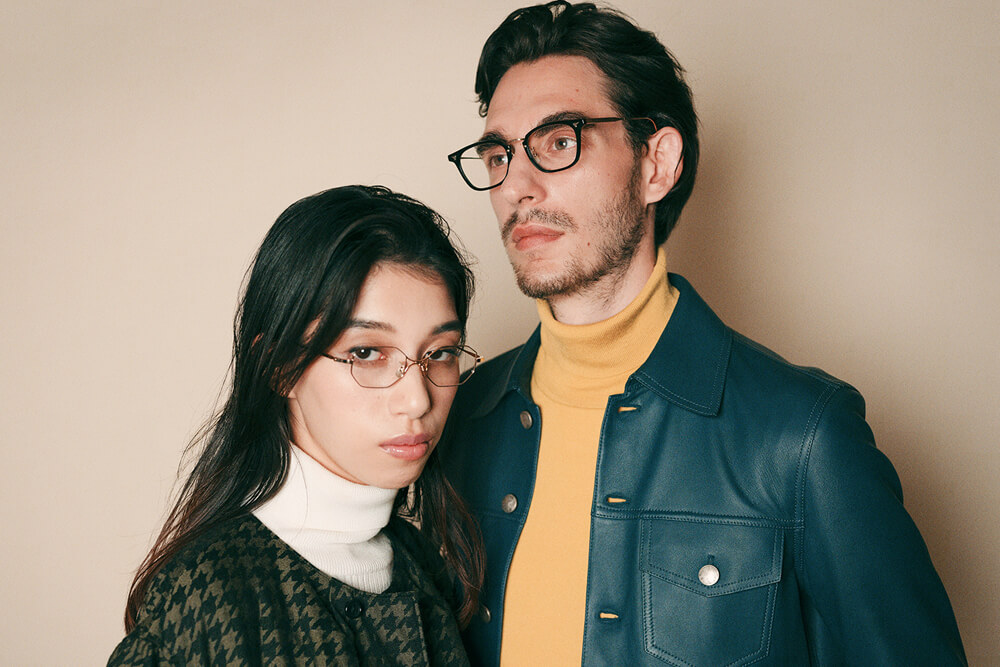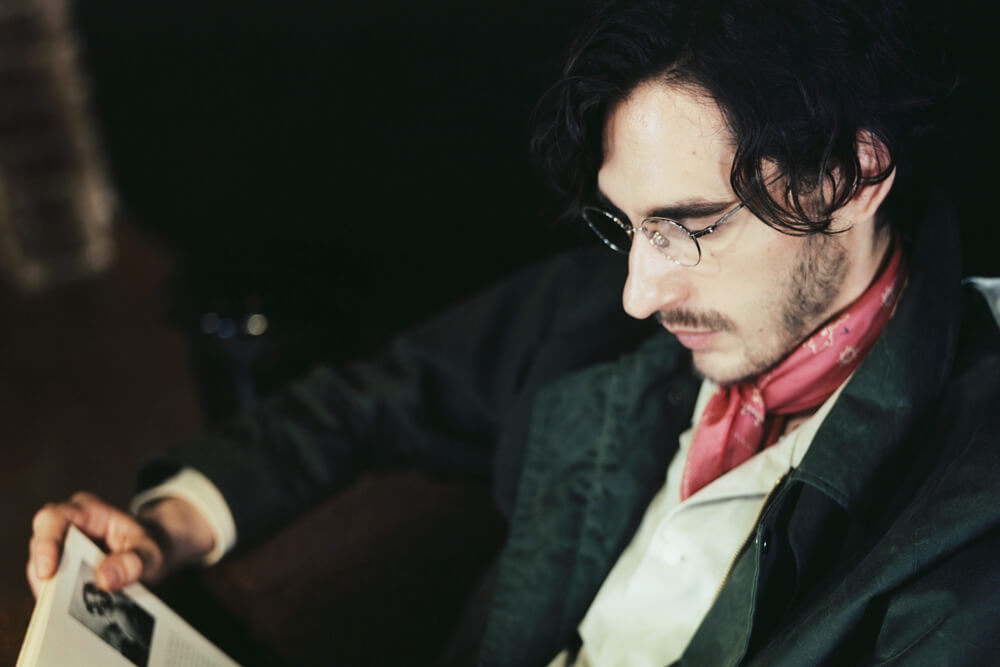
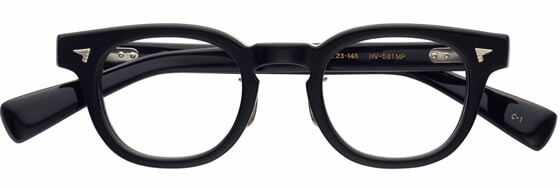
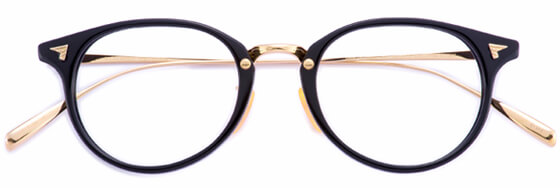
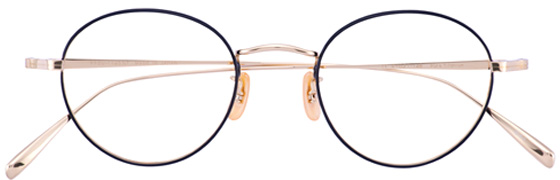
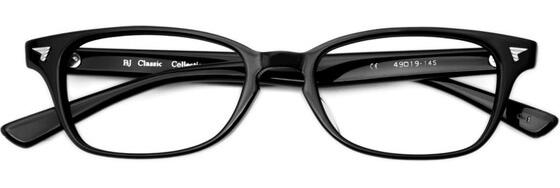

2026 Autumn & Winter
Fukui’s Craftspeople
& Our Eyewear
There are moments when, without warning, we find ourselves standing still.
That is how deep the world of eyewear can be.
Still, we have put down roots in the city of Sabae, learning without end and spending our years alongside the craftspeople who make our glasses.
Fukui Prefecture, embraced by mountains and sea.
On this land, where the work of making things has continued for generations, there are people, in eyewear and beyond, who have honed their own skills and spared no effort in their work.
And a thought came to us.
What kind of pair would someone who makes things choose?
How would that pair settle into the person wearing it?
What would it look like within the landscape of making?
Carrying the new 2026 Autumn/Winter collection with us, we set out to meet the people who make their living through craftsmanship in Fukui.
-
 01
01TAKI WASHI PAPER INC.
Echizen Washi Craftspeople
-
 02
02MONSTER CO., LTD.
Garment Factory
-
 03
03TAKAGISHI EYEWEAR
Former Eyewear Craftspeople
- PHOTO BY
- Akihito Mizukami
01
TAKI WASHI PAPER INC.
Echizen Washi Craftspeople
We arrived in the area well ahead of our scheduled time.
With a bit of time to spare, we stopped by Okamoto Shrine and Otaki Shrine, the spiritual center of the papermaking trade. Enshrined here is the “deity of papermaking,” said to have taught the villagers how to make paper nearly 1,500 years ago.
Otaki-cho, in Echizen City, is a place where this ancient craft has flourished for generations.
After paying our respects, we made our way to ”Taki Washi Paper Inc.”.
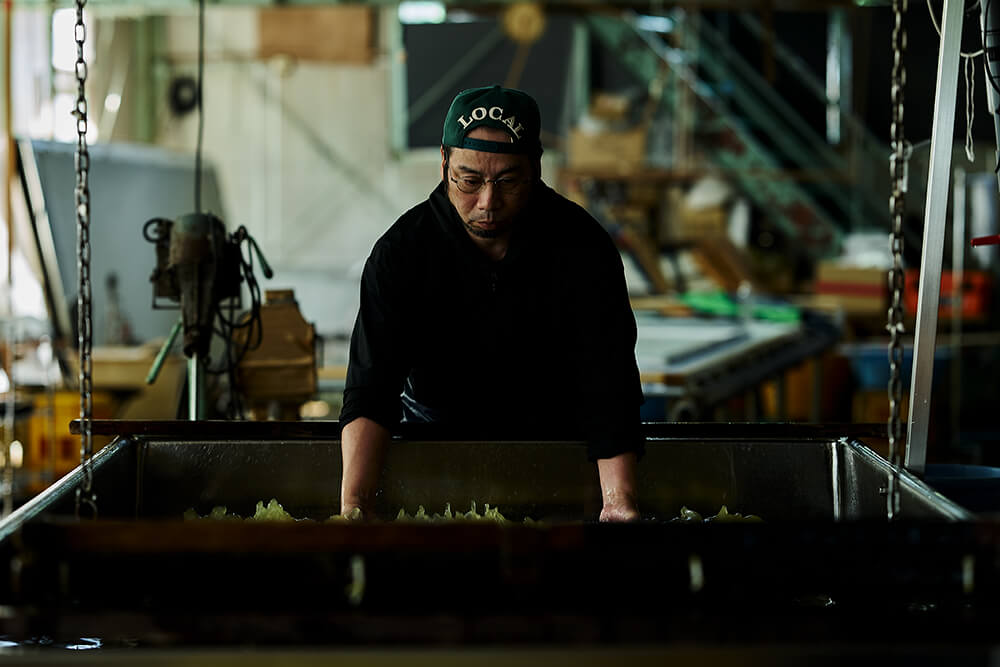
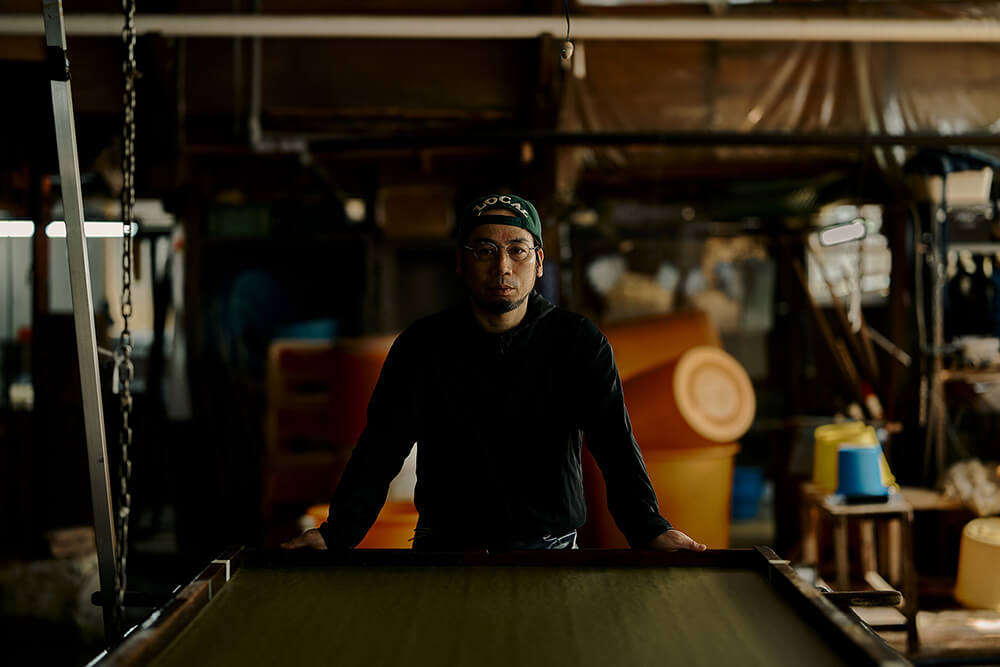
Hideaki Taki, the seventh-generation master and an Echizen washi craftsperson, welcomed us warmly in his rubber boots.
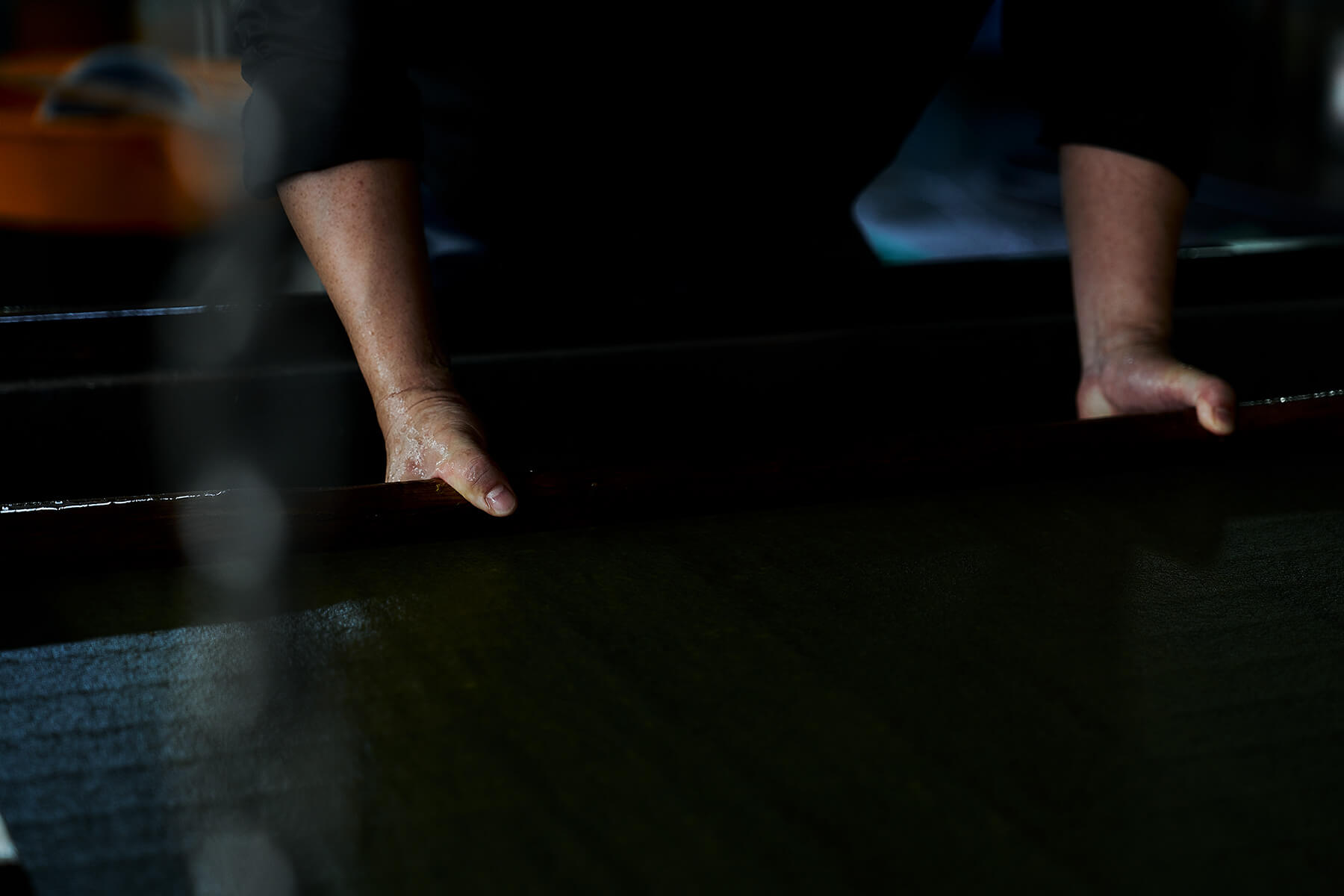
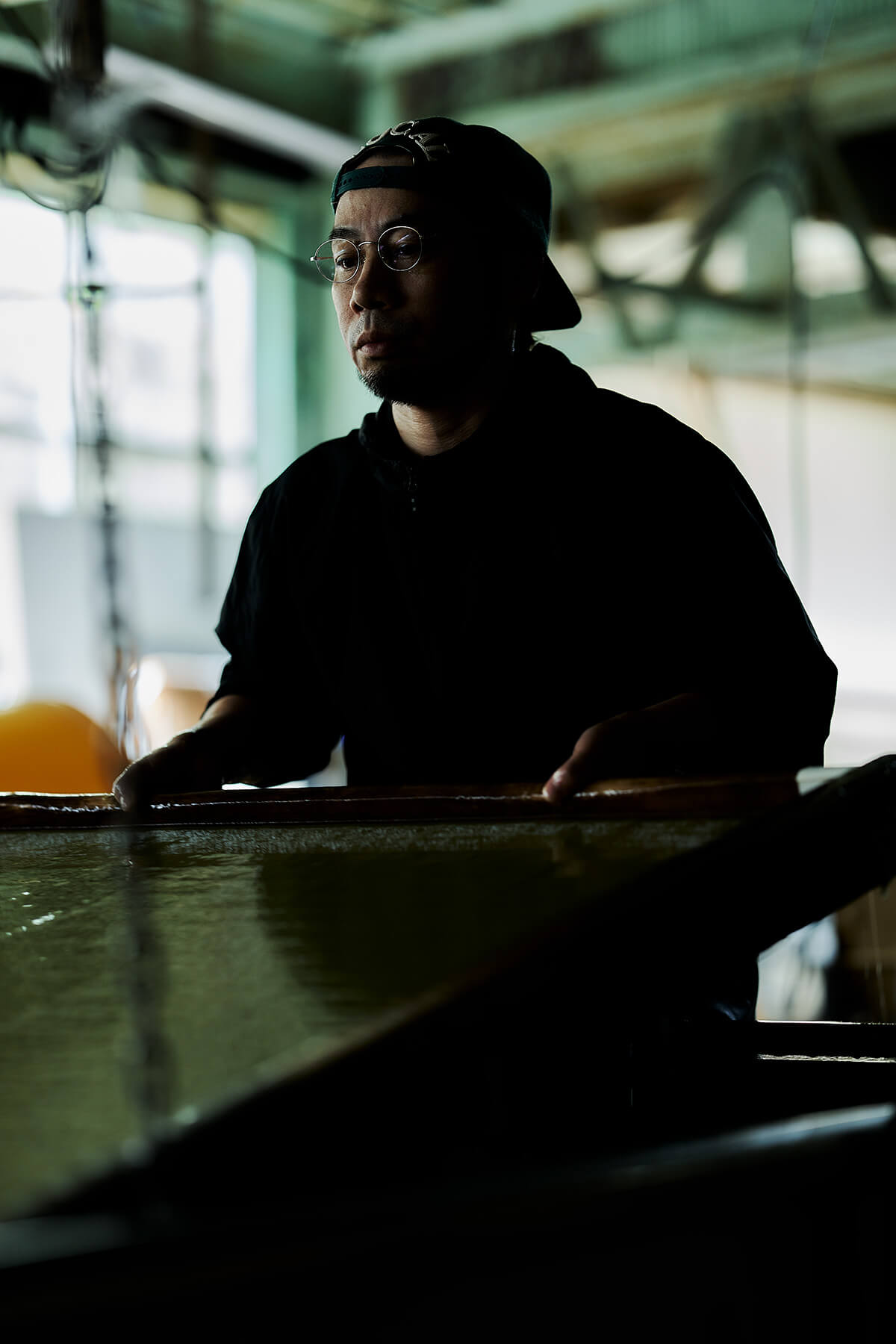
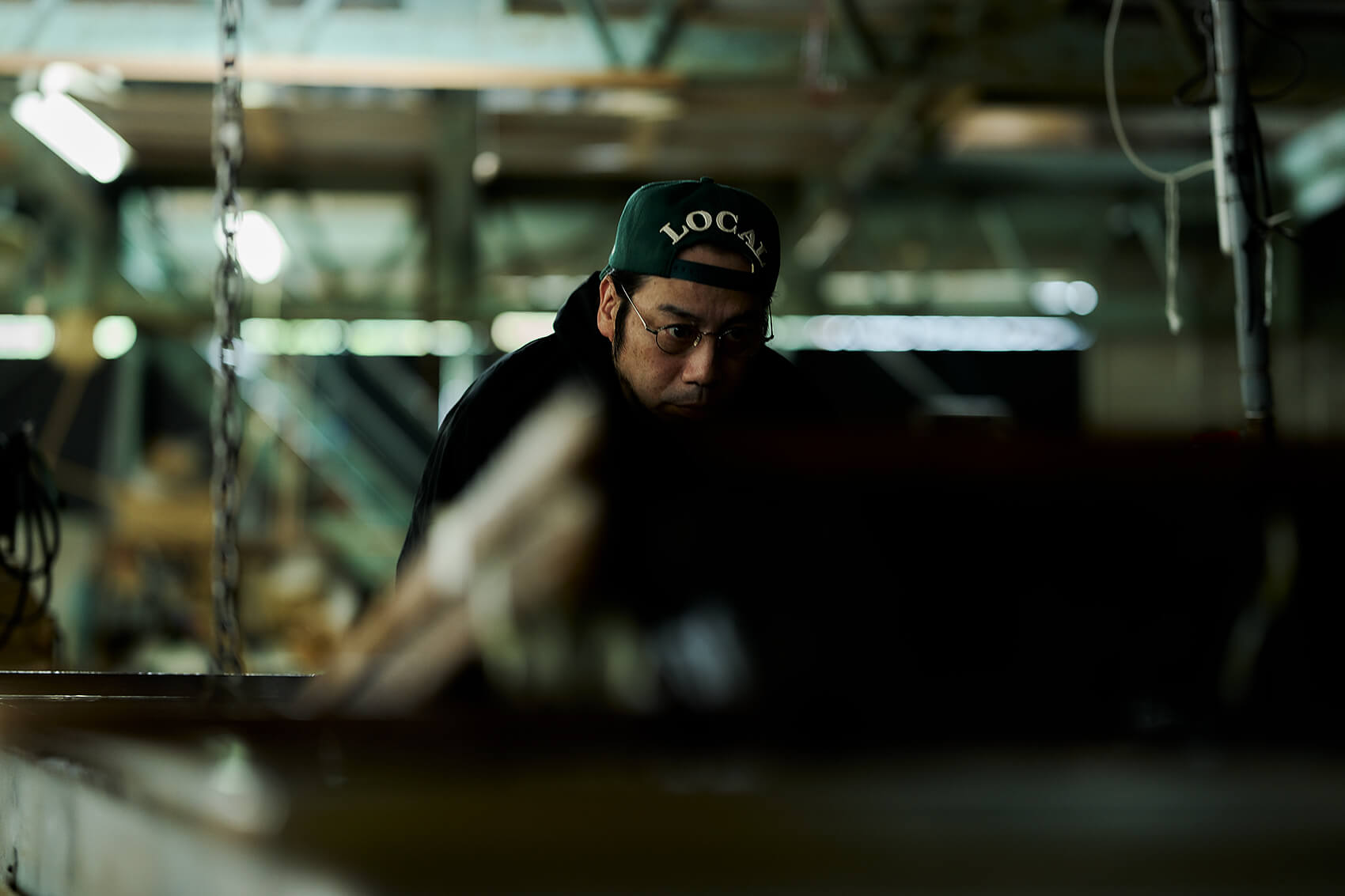
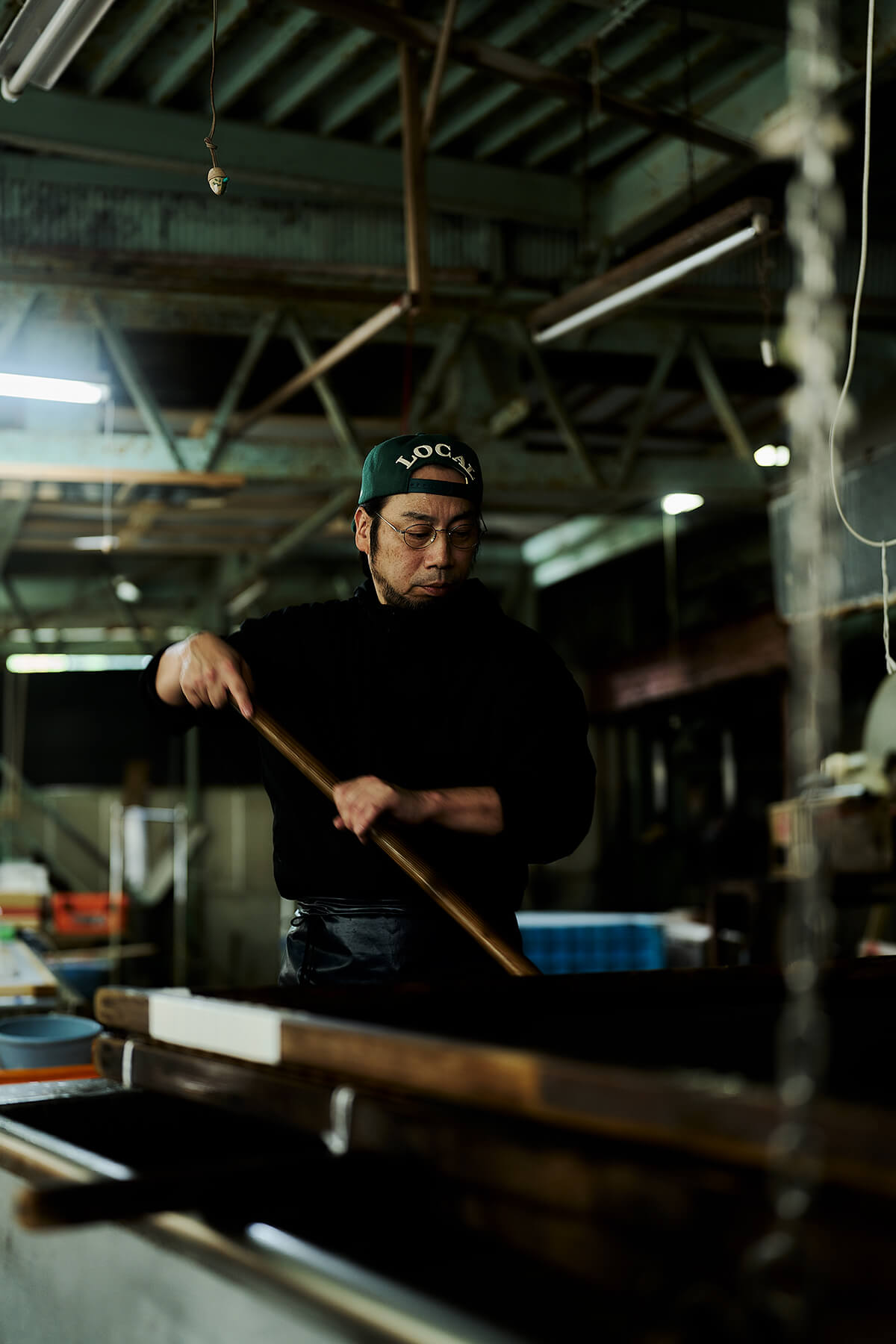
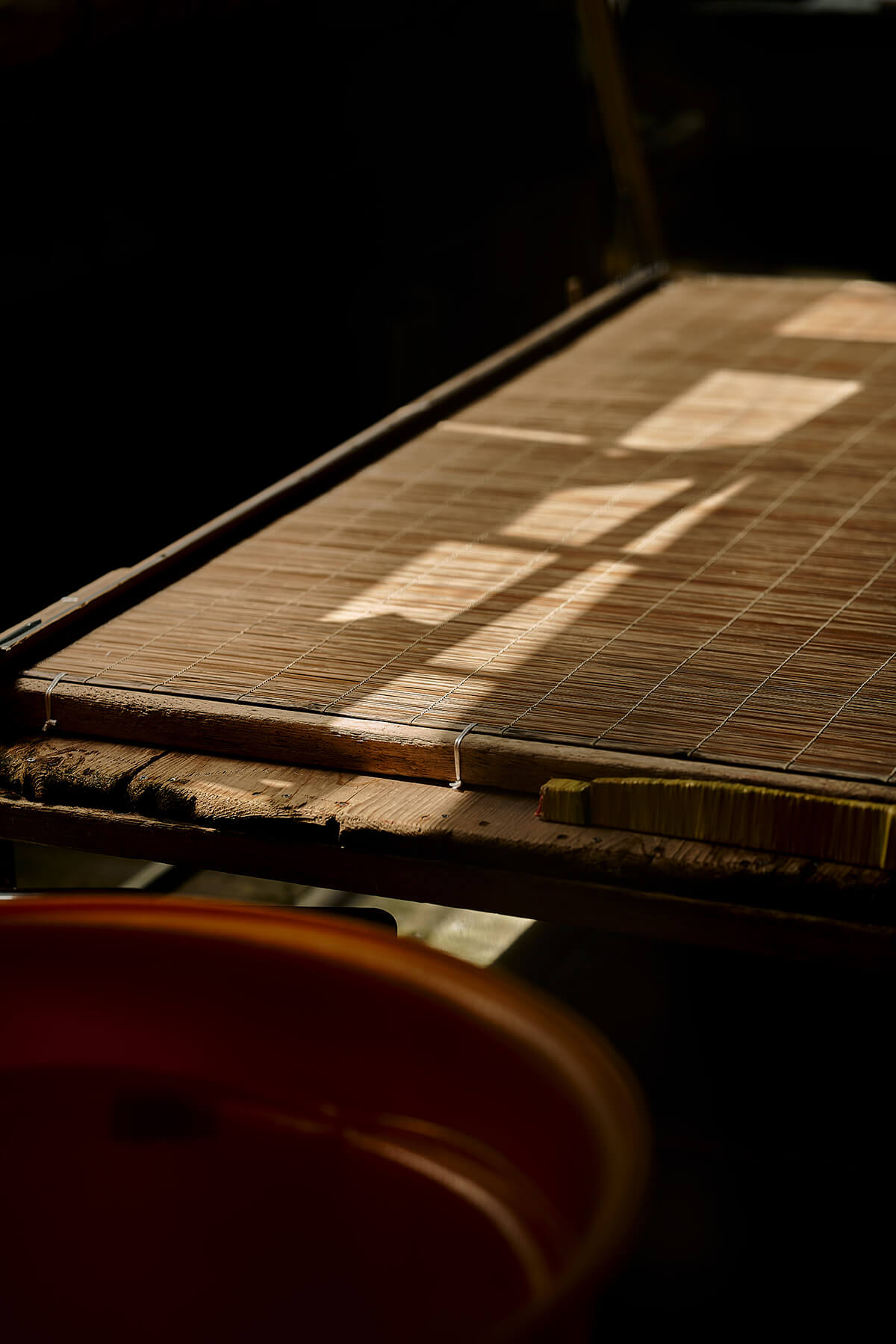
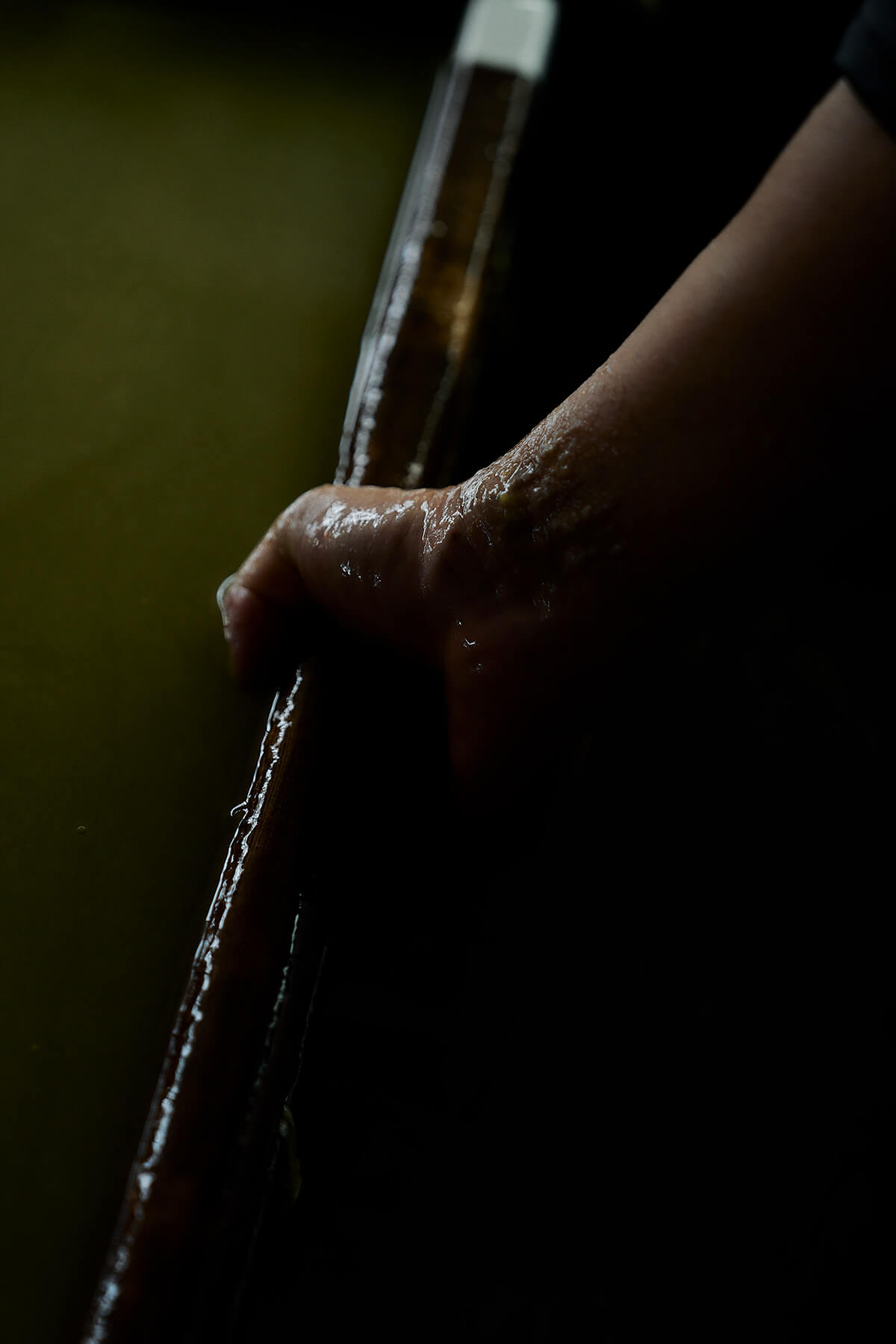
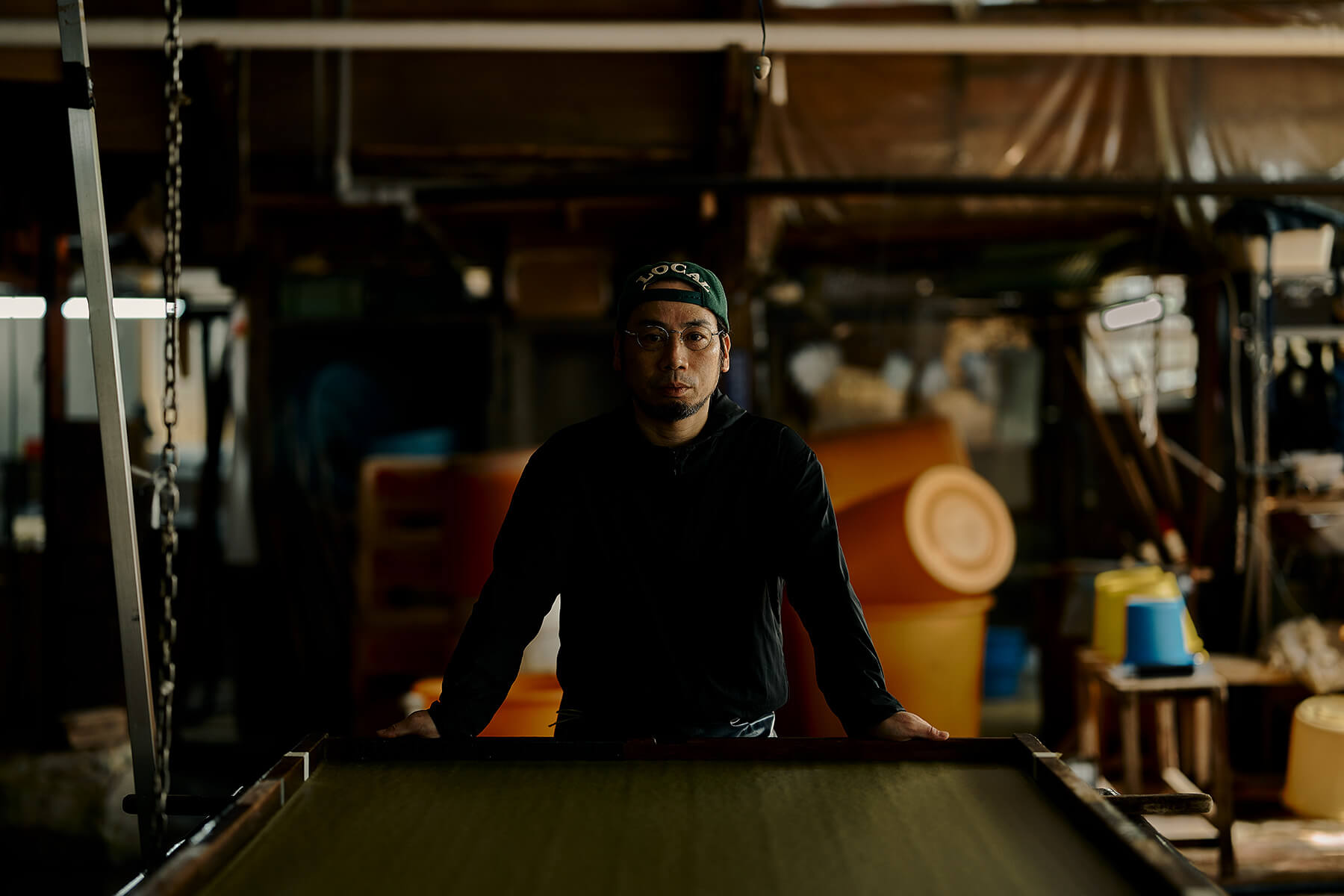
The workshop where Hideaki makes washi by hand was filled with moisture-laden air; even our voices seemed to echo softly as we spoke. At the center was a large vat filled with slightly cloudy water, with the floor and tools around it wet from the work.
"The hardest part of this craft is always a water shortage," Hideaki said. Standing in that water-filled space, we understood exactly what he meant.
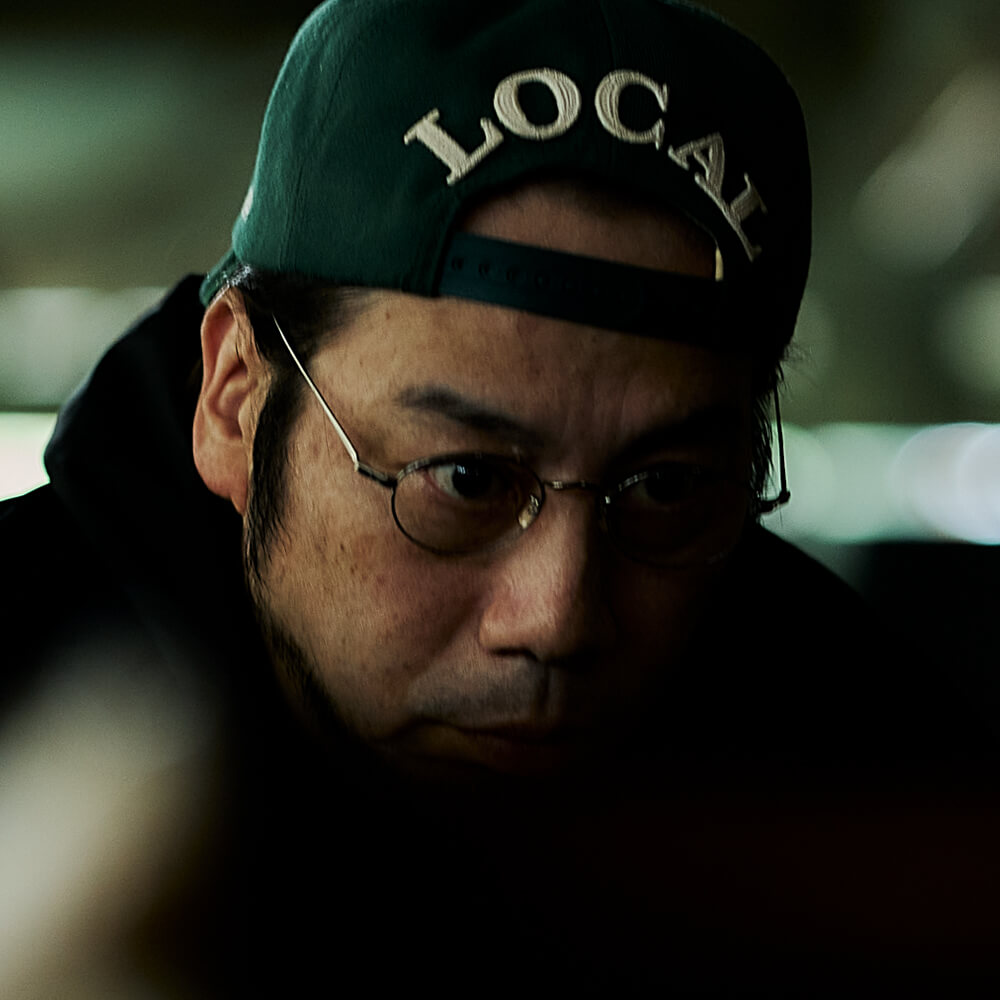
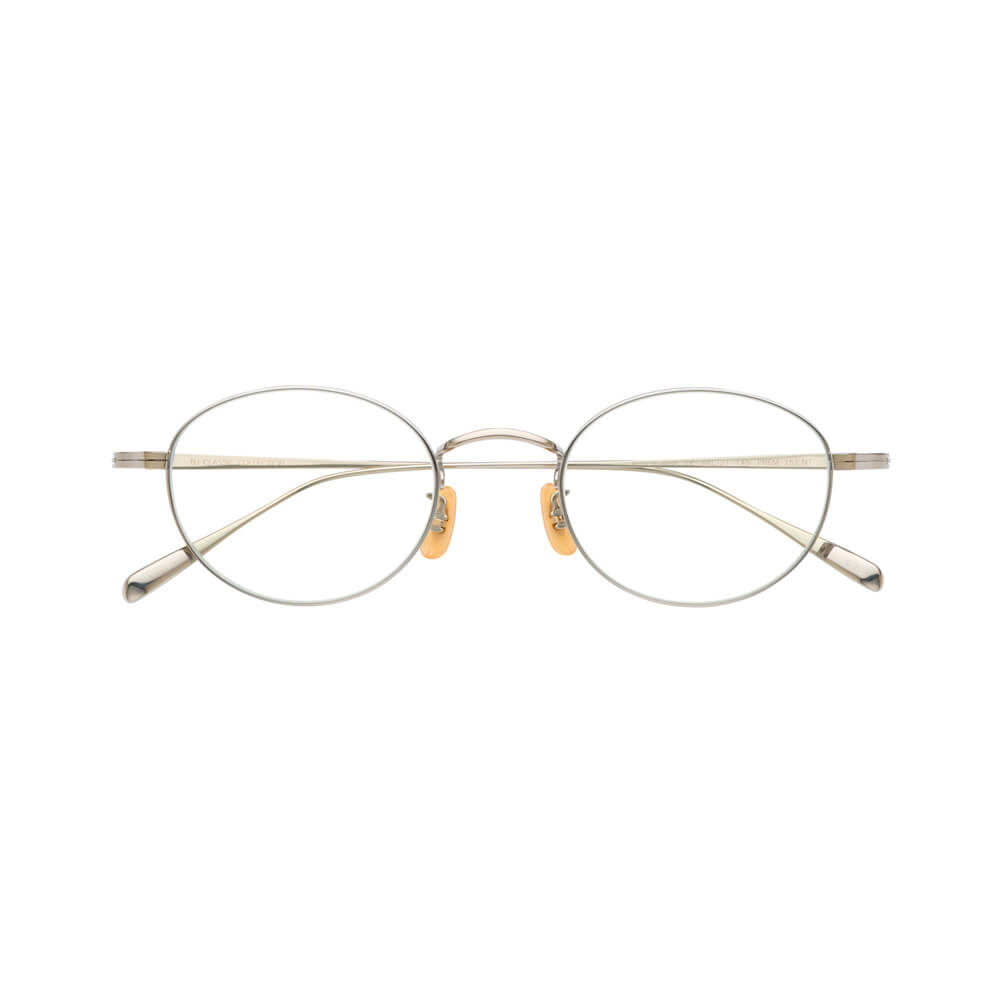
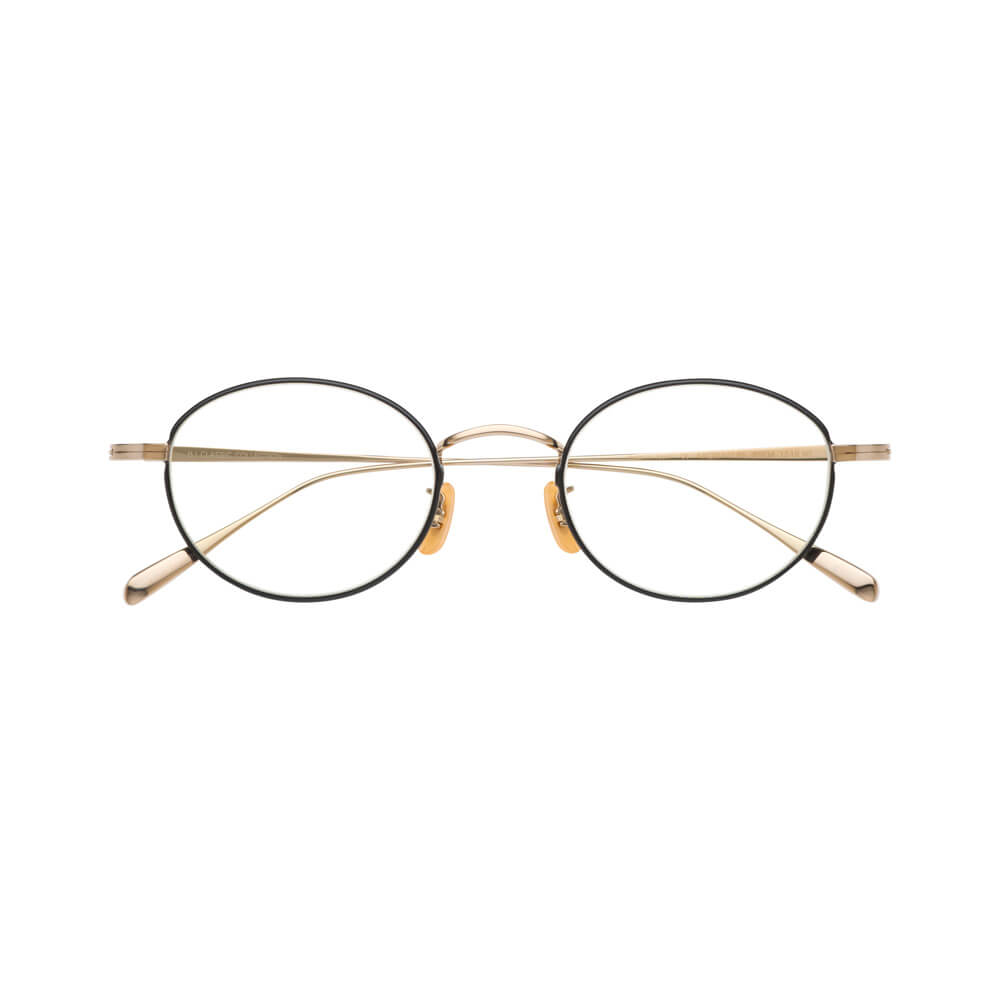
With his cap turned backward, Hideaki put on his glasses: the PREM-151 NT from the PREMIUM series, distinguished by its delicate, oval-shaped metal frame.
From there, the two-person process of making a large sheet of washi began. The sugeta, a washi papermaking mold made of bamboo and wood, dipped into the large vat and surfaced again.
Splash. Splash.
Over and over. Powerful, yet delicate.
Outside the window, light filtered through the shifting clouds, sometimes disappearing behind them, sometimes breaking through. At times, the entire workshop fell into shadow. Whether catching the faint light or reflecting the rippling water, the frame around Hideaki's eyes gleamed a distinct silver.
There was something about the quiet sharpness in Hideaki's gaze behind his glasses that I found particularly striking. Listening to the repeated sound of the water, I found myself captivated for a while.
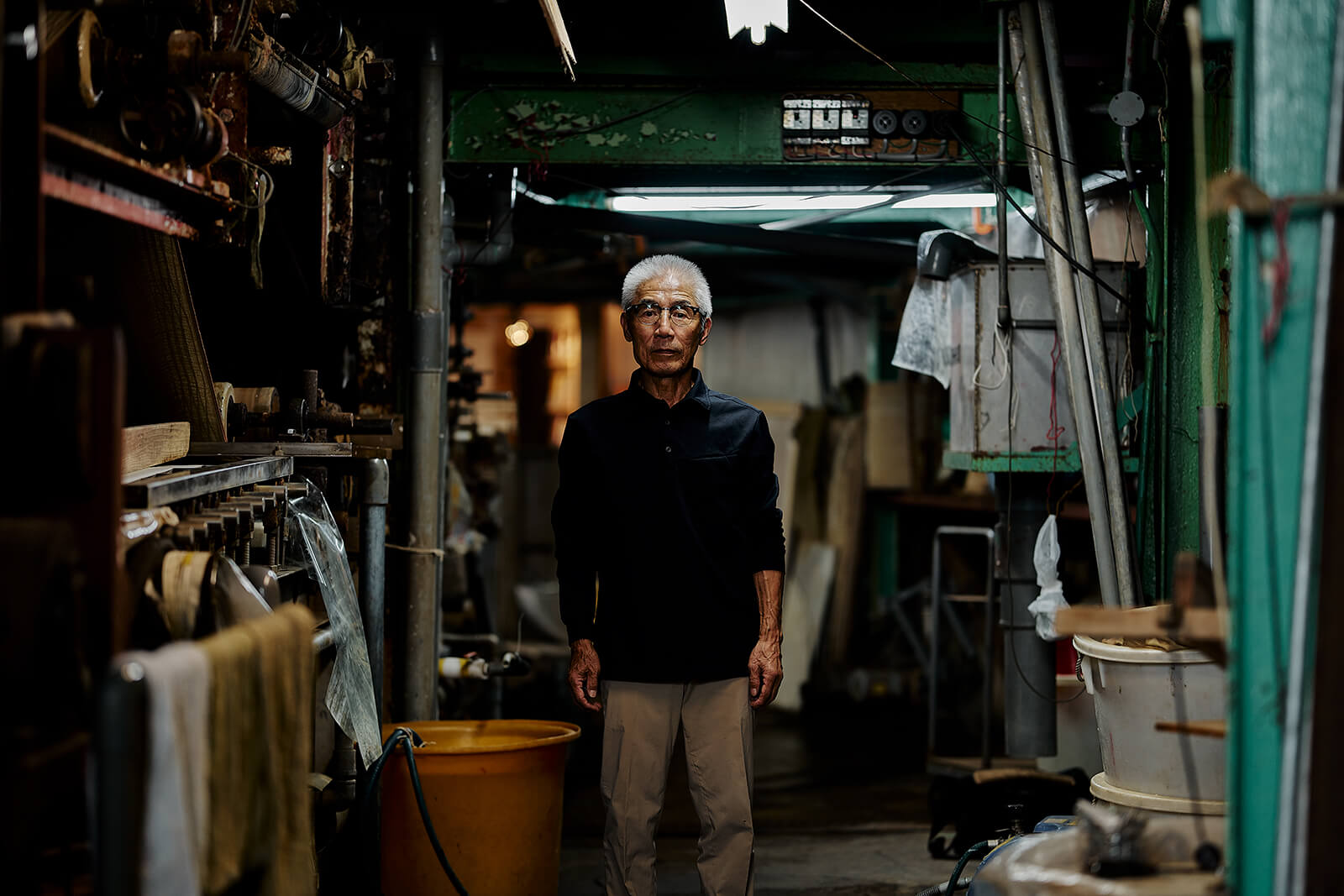
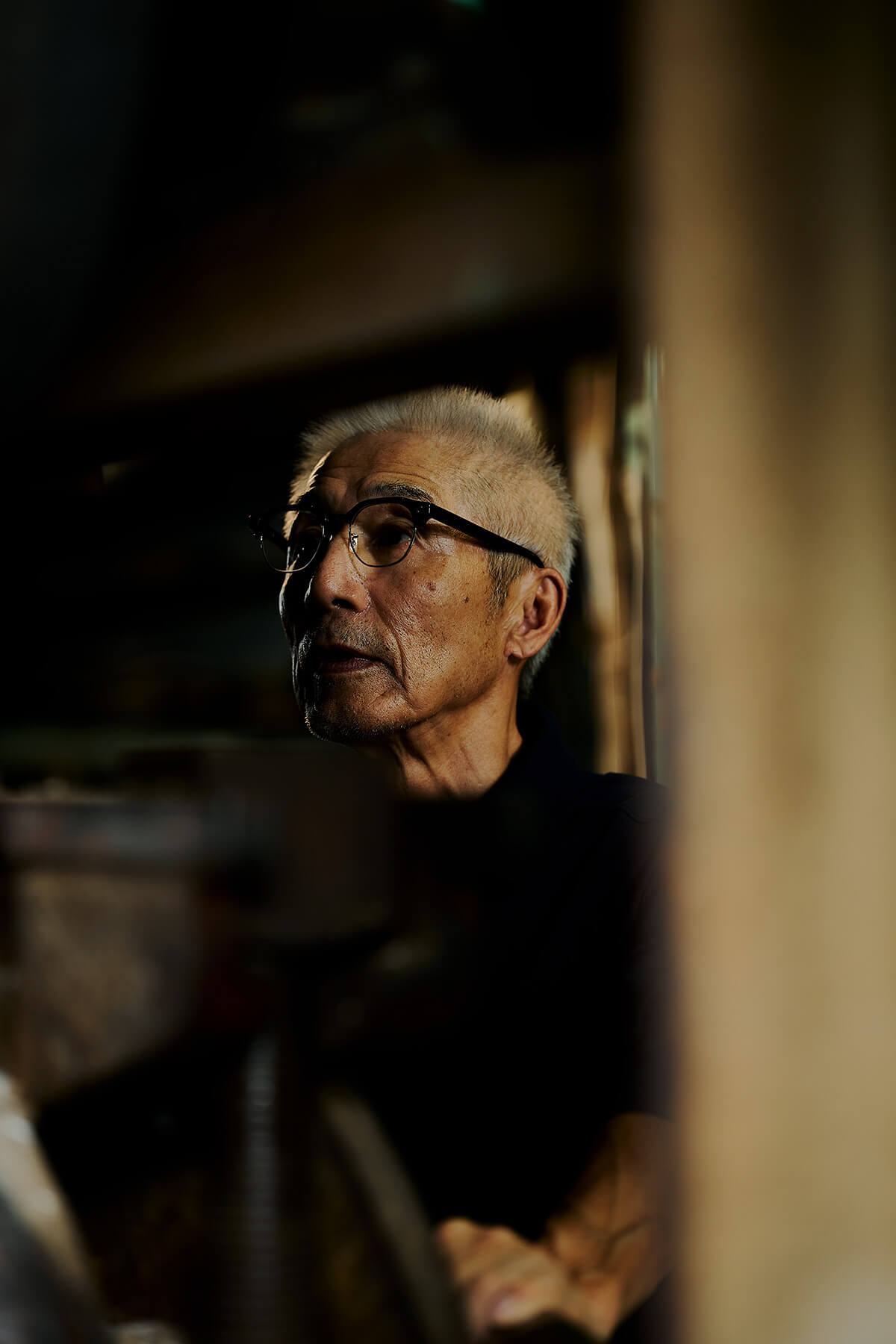
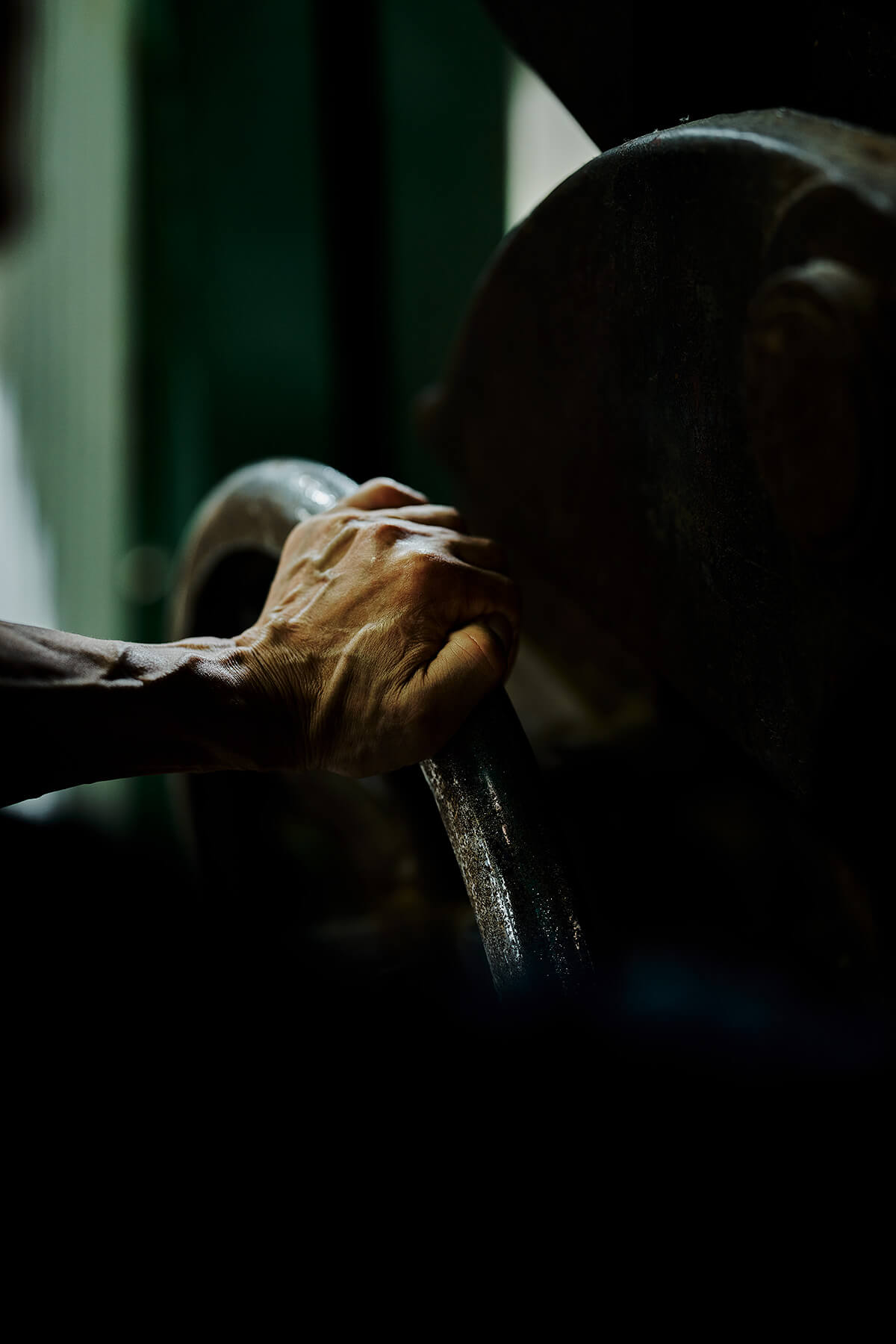
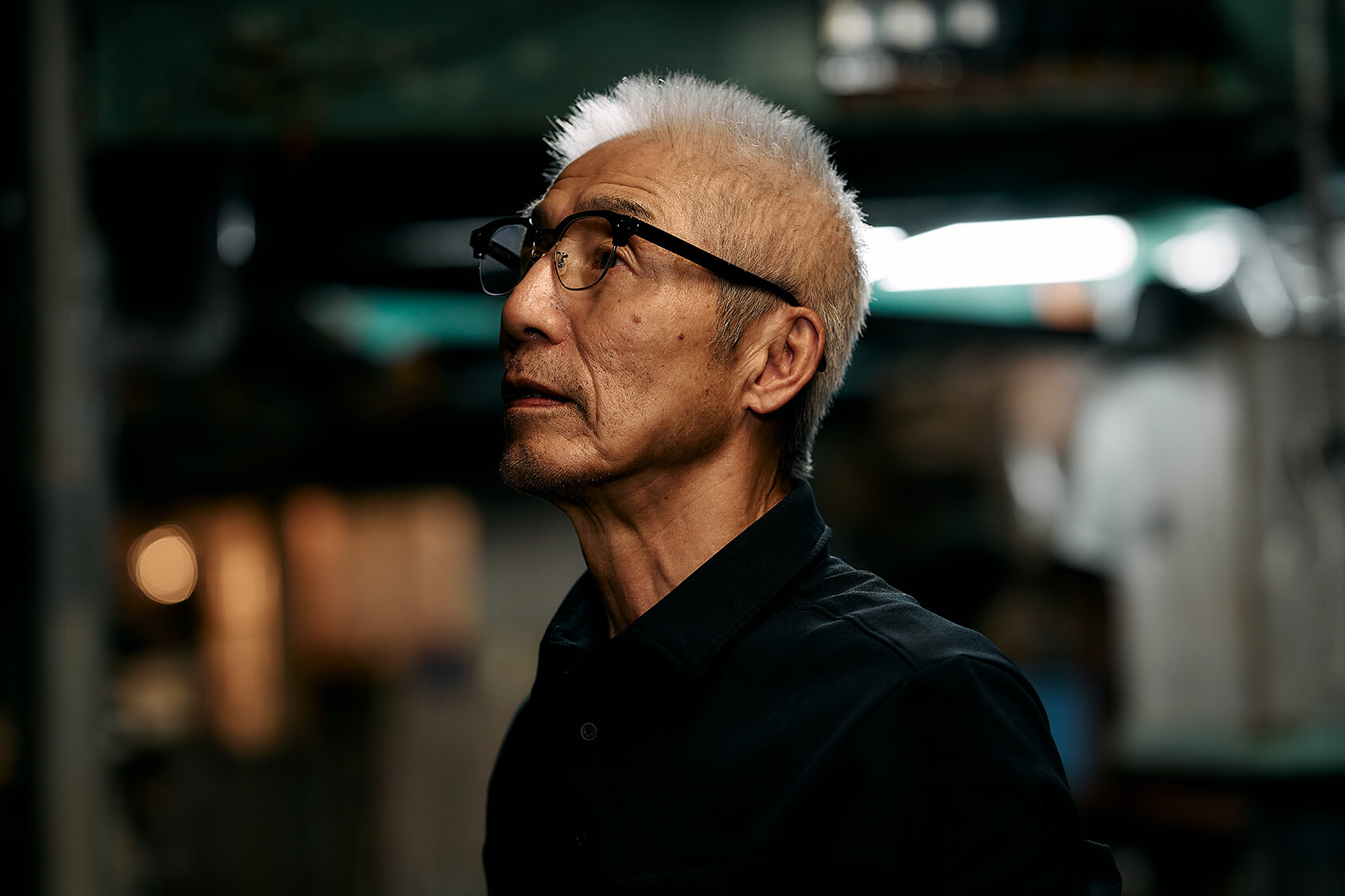
A separate workshop for machine papermaking is where Hideaki's father, Ryuichi, the sixth-generation master, works. Surrounded by well-worn tools, the space had a nostalgic air, with a massive machine standing at its center.
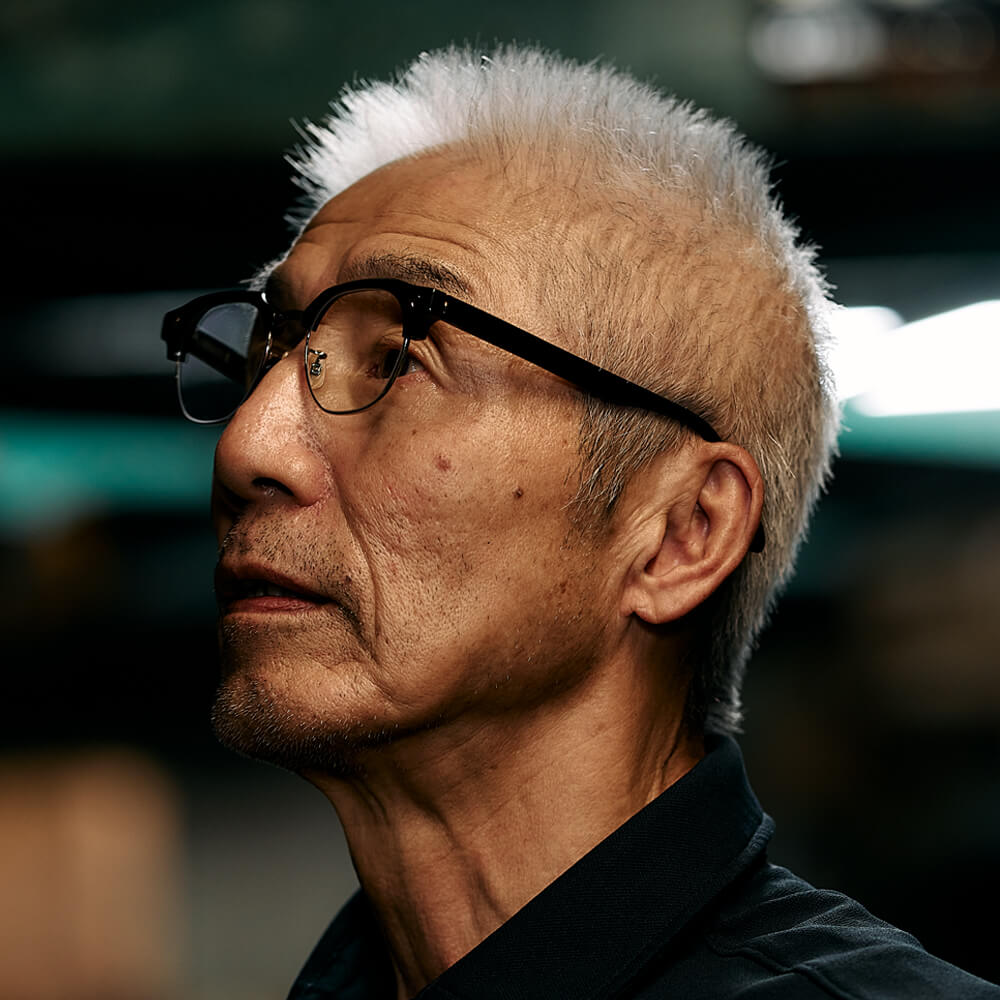
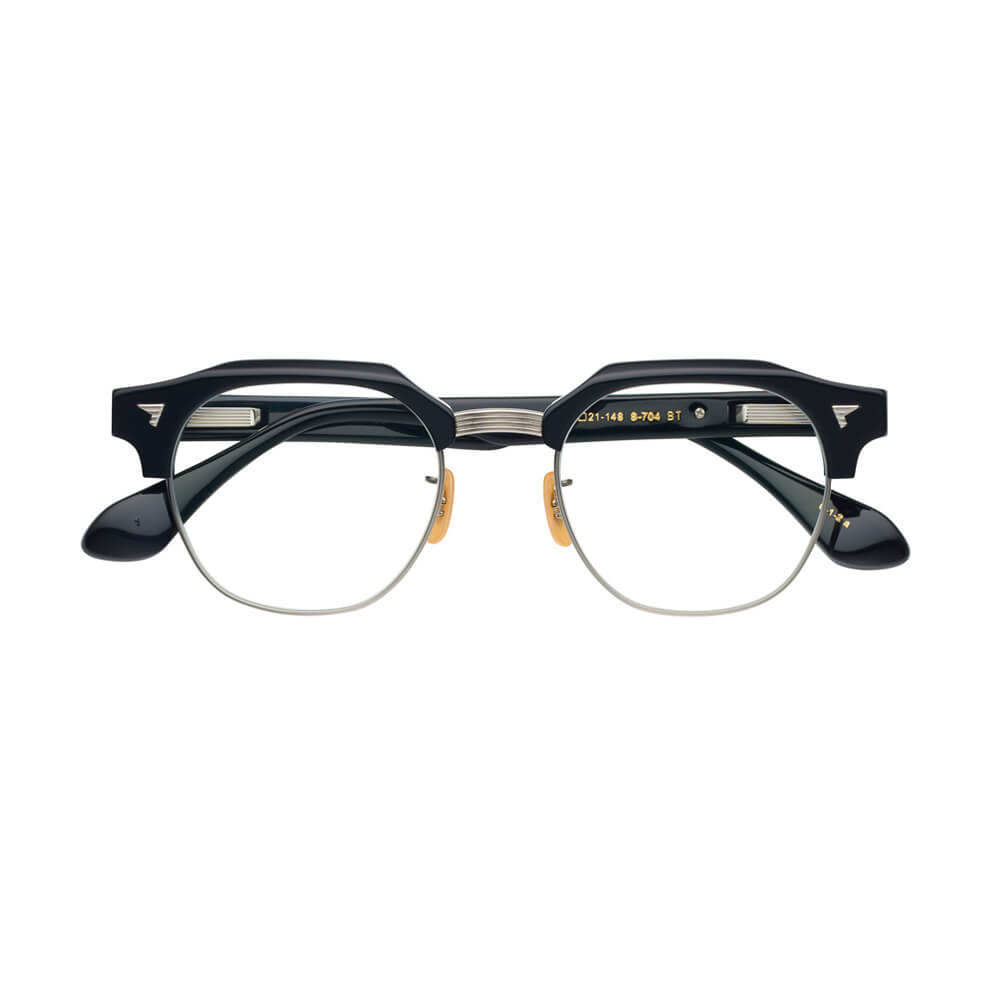
When we called out to him, Ryuichi removed the glasses he had been wearing, picked up the S-704 BT from the SIRMONT series, and walked toward the machine. His movements were fluid, and his posture straight. There was a strength in his legs and lower body that came through in the way he moved. Veins stood out clearly on his arms beneath his rolled-up sleeves, revealing a strength I had not expected from his slender frame.
It might sound like a cliché, but I thought: these were truly the arms of a craftsman.
Standing before the large machine in a place where he had worked for so long, Ryuichi’s focused expression looked remarkably natural behind the bold browline frame. There was a classic, understated character to the whole picture, and it made a fine photograph.
As we reviewed the photographs on the monitor, Hideaki happened to walk by and peered at the screen.
“Dad looks cool.”
He said it with a smile. I wondered if Ryuichi had heard him.
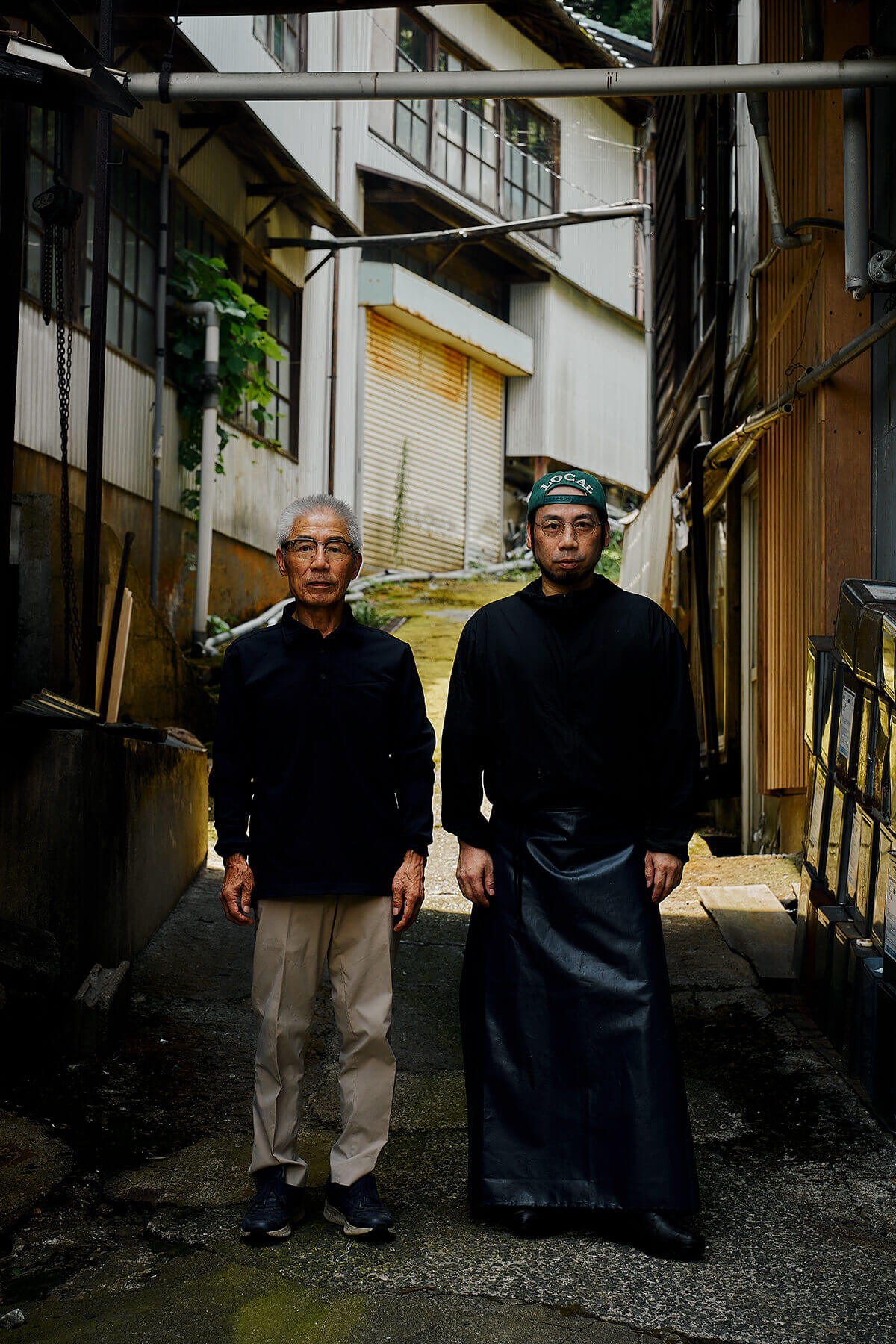
Finally, we asked Ryuichi and Hideaki to stand side by side.
"I think this might be the first time I've ever had my picture taken with my dad."
Hideaki's slightly bashful expression stayed with me.
Established in 1875. The sixth and seventh generations.
They looked a little different from the way we had seen them at work just moments before, as if their shoulders had relaxed a little. In that warm, easygoing atmosphere, seeing the two of them standing side by side in their glasses made me happy.
After we finished shooting and packed up, we stepped outside to find a light drizzle falling.
"The hardest part of this craft is always a water shortage."
Hideaki's words came back to me, and I found myself hoping that this rain would become a blessing.
FEATURING
- Ryuichi Taki
- Hideaki Taki
SPECIAL THANKS
TAKI WASHI PAPER INC.
27-30 Otaki-cho, Echizen, Fukui 915-0234, Japan
Founded in 1875, the paper mill has continued to make Echizen washi in Echizen City, Fukui. Using both handmaking and machine papermaking techniques, it produces a wide range of paper, from traditional washi to paper used in contemporary spaces and art.
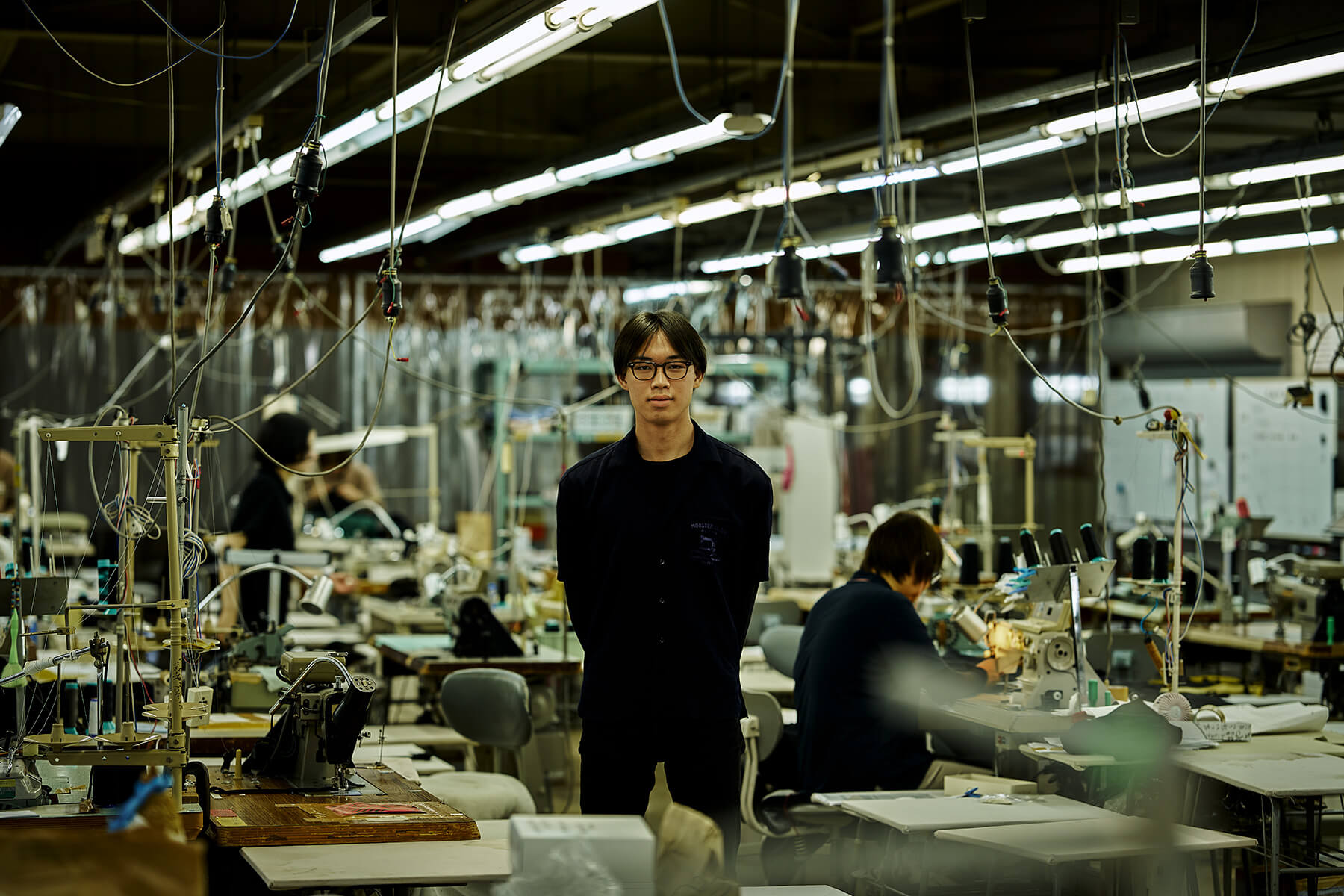
02
MONSTER CO., LTD.
Garment Factory
A pop song faded out, and the car navigation system announced that we had arrived near our destination. We turned left, passed a small park, and pulled into the parking lot.
Taking the camera equipment out of the trunk, I looked up as I closed the lid. A large white sign caught my eye: “MONSTER CO., LTD.” was written in an elegant, slender typeface, giving it a look that felt both retro and modern.
Just across the road from the Hino River, right along its banks. We had arrived at MONSTER, a long-established garment factory in Horikawa-cho, Echizen City.
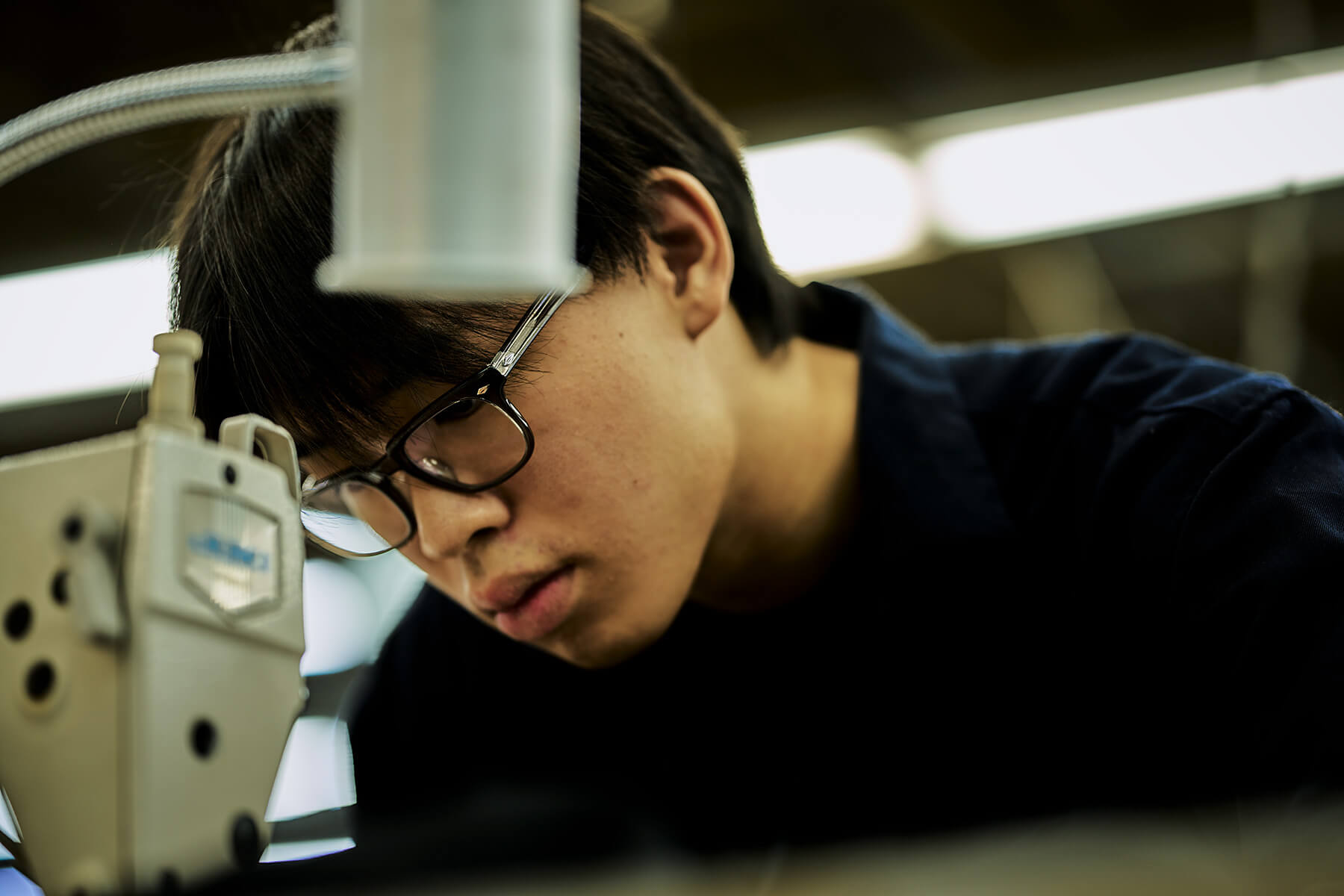
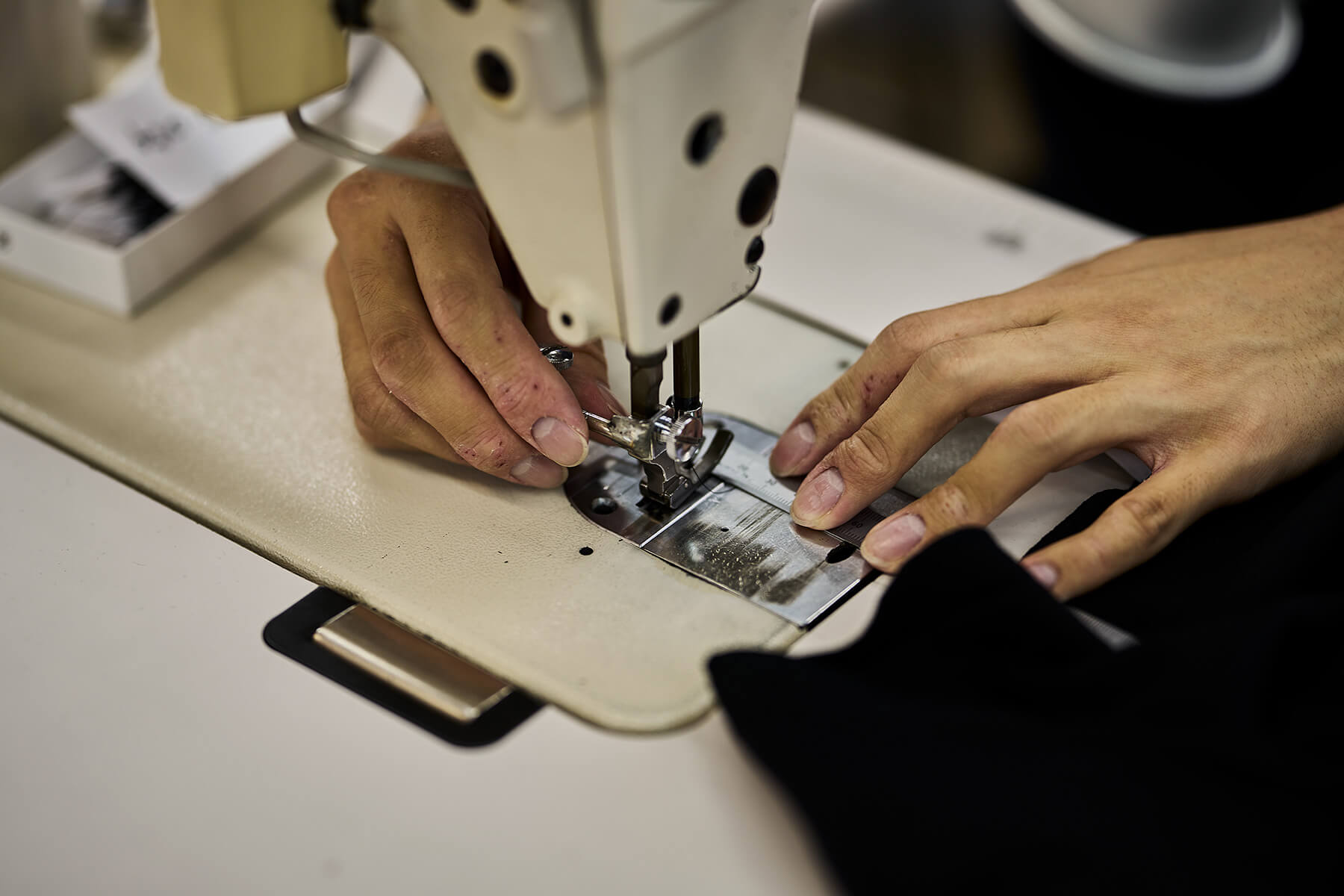
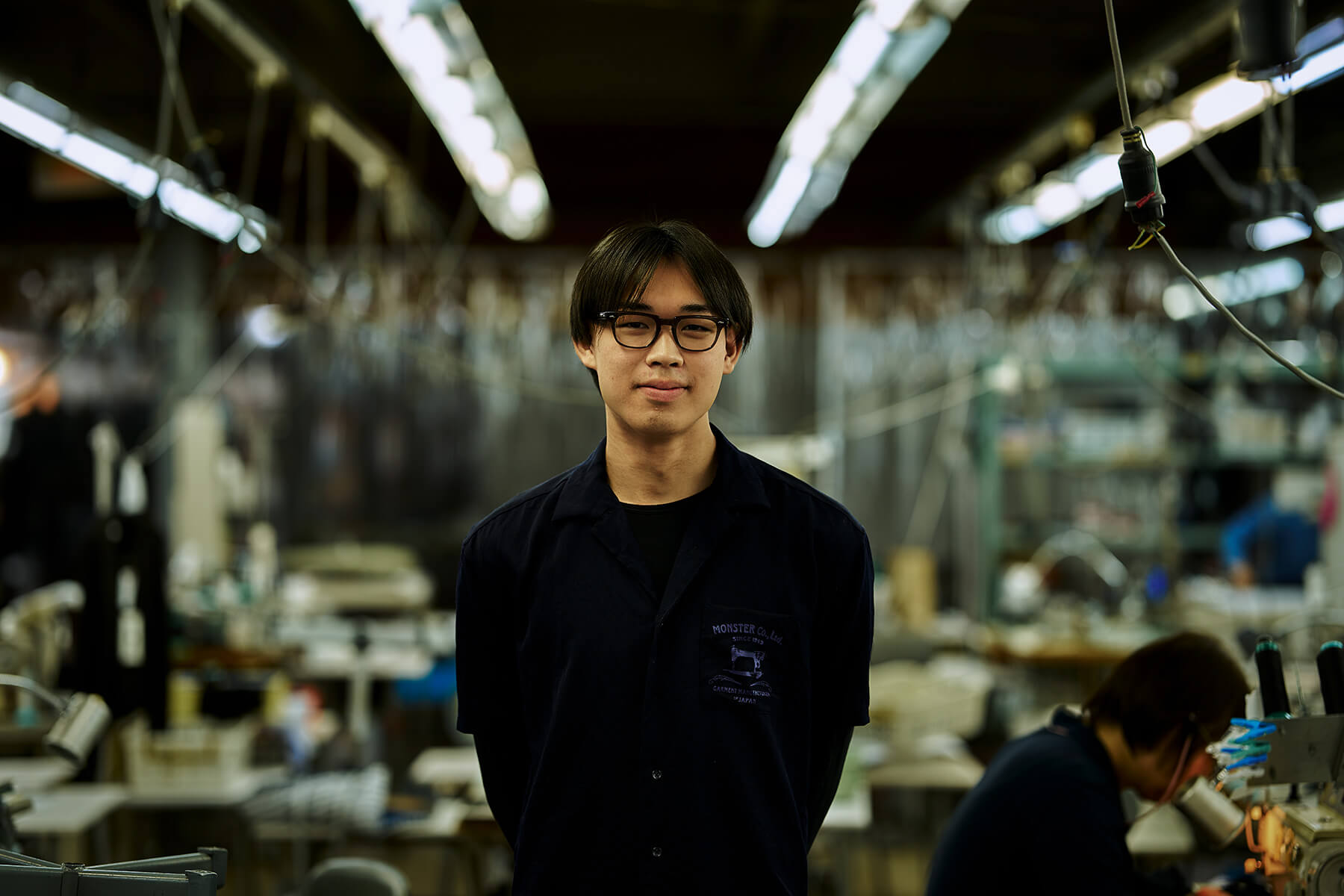
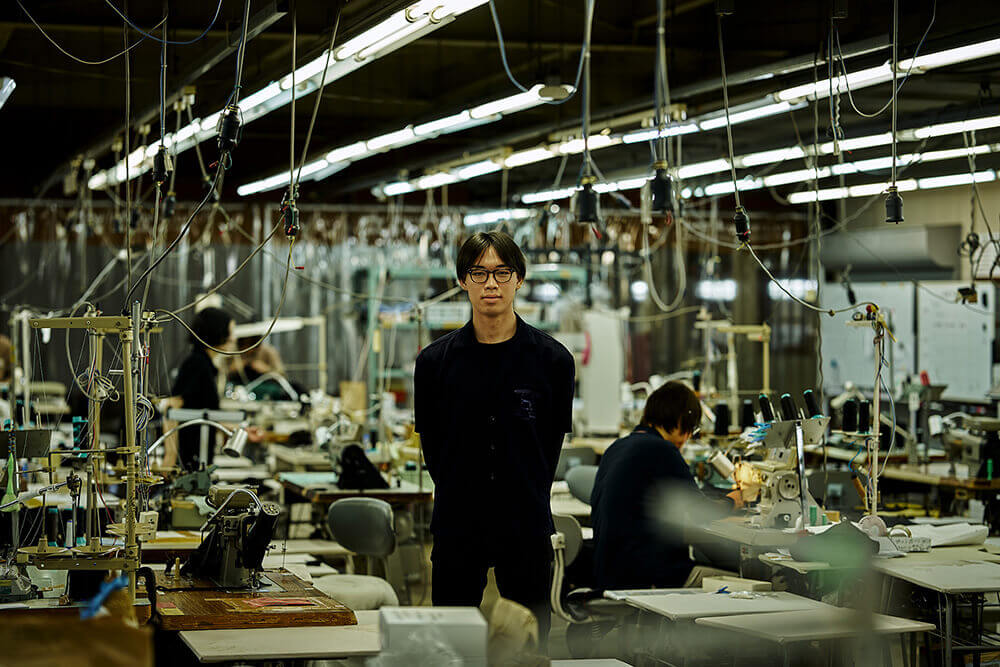
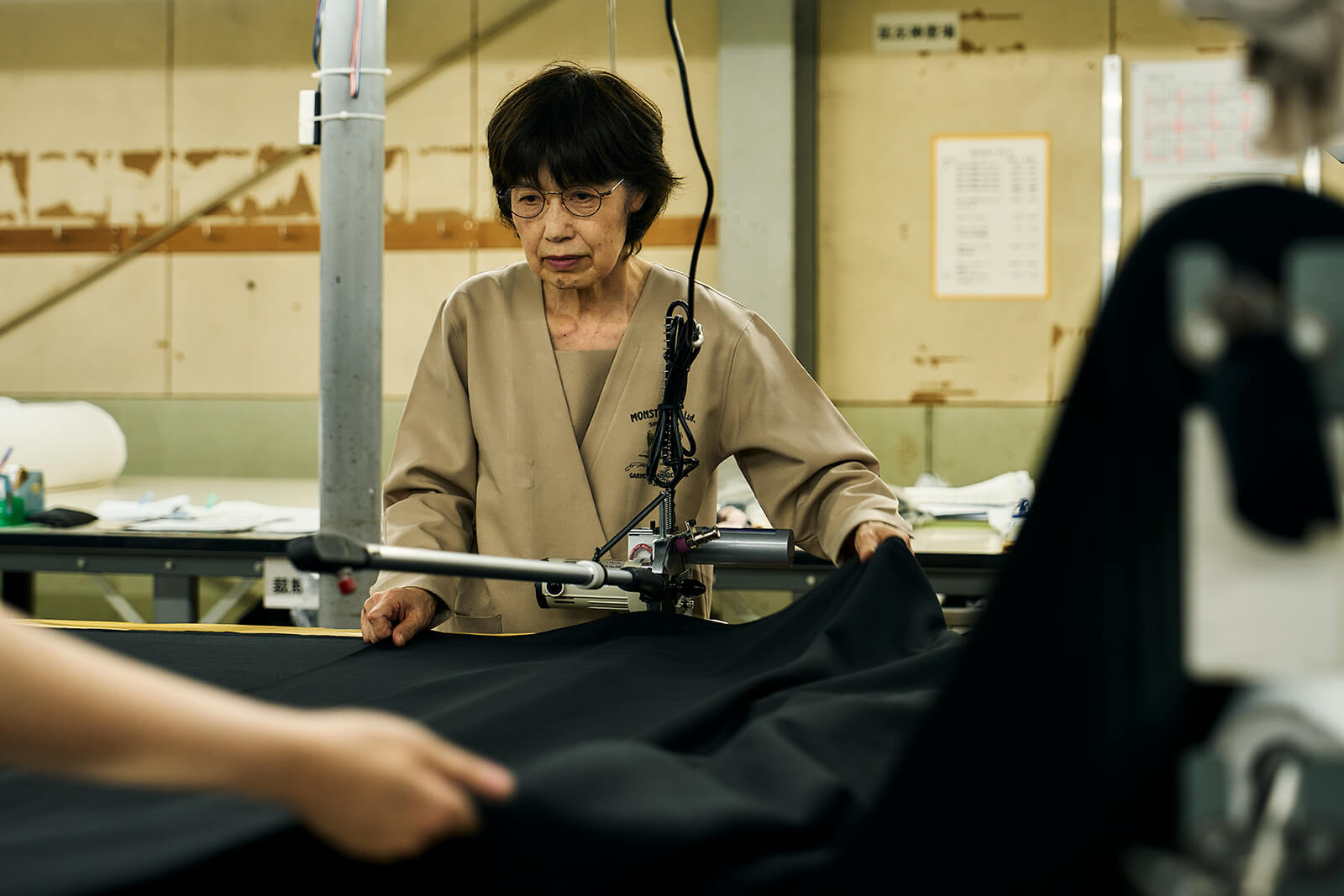
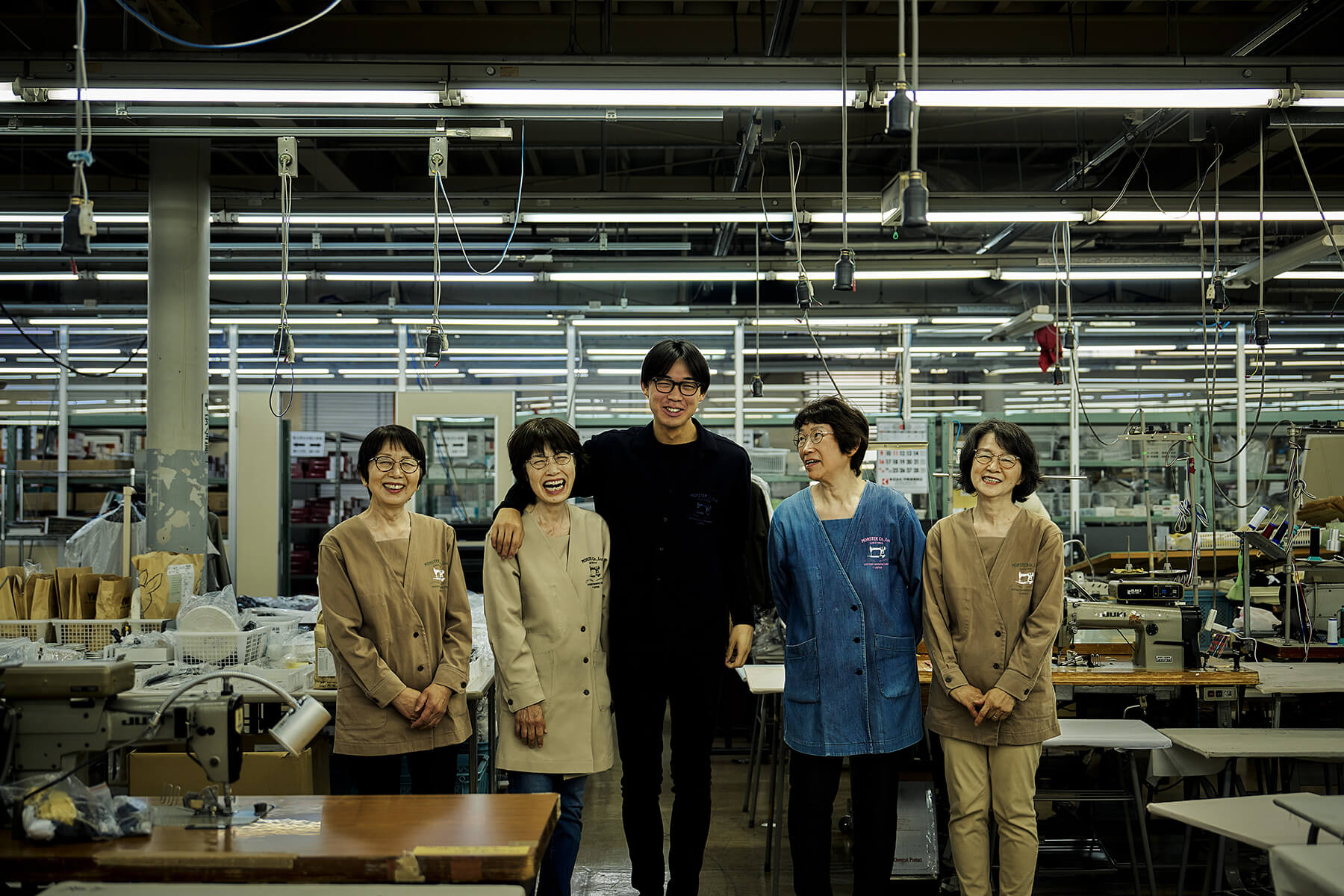
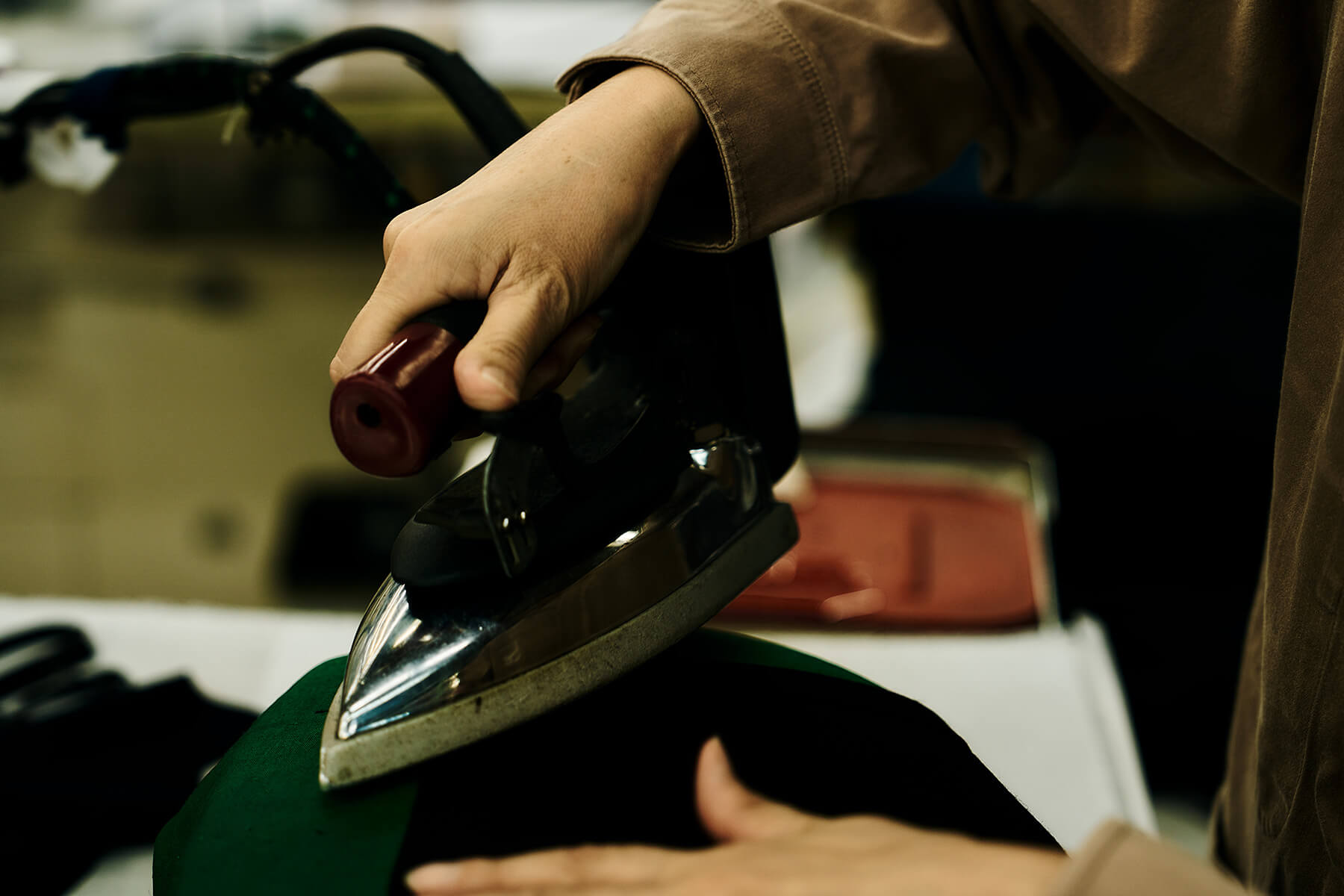
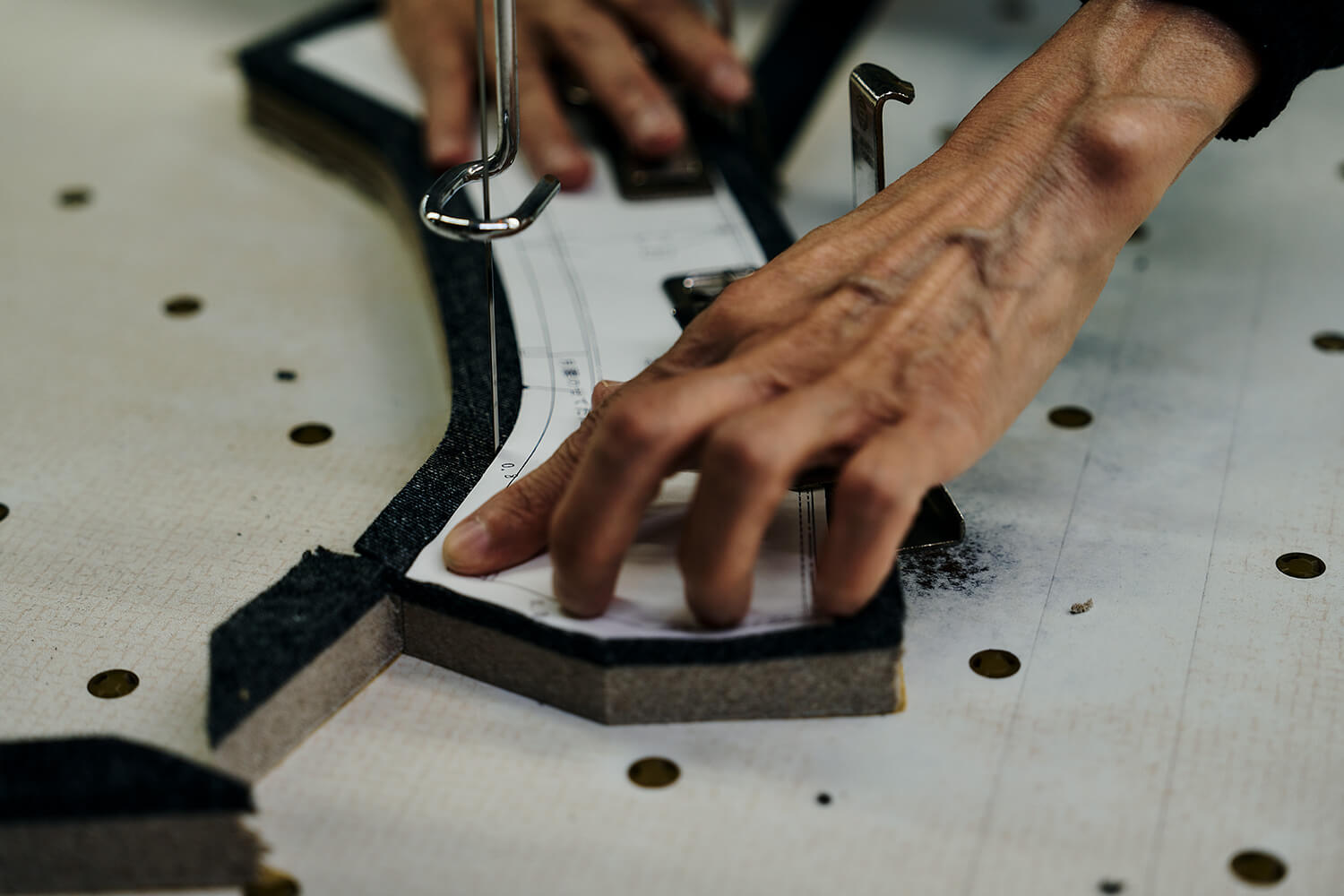
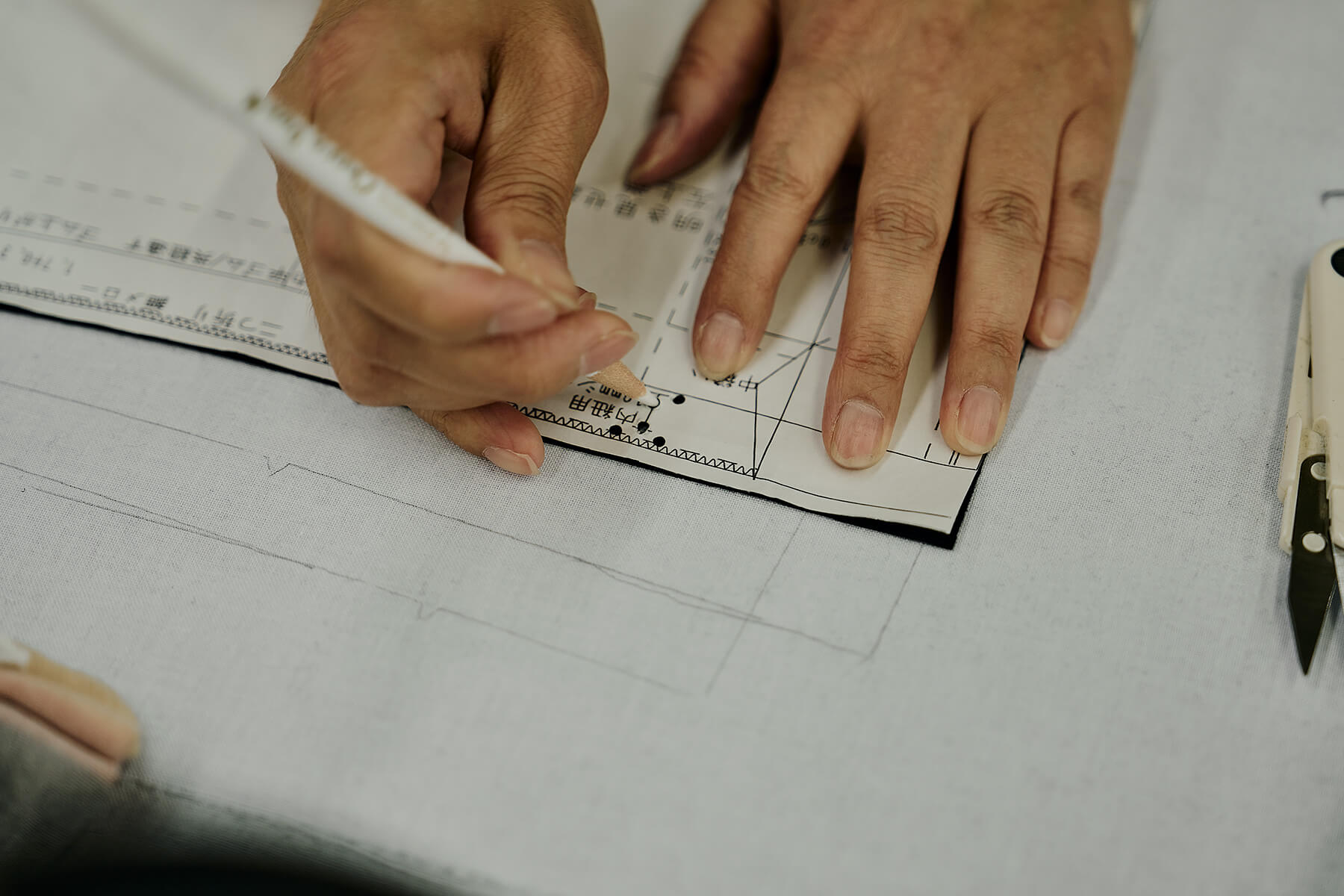
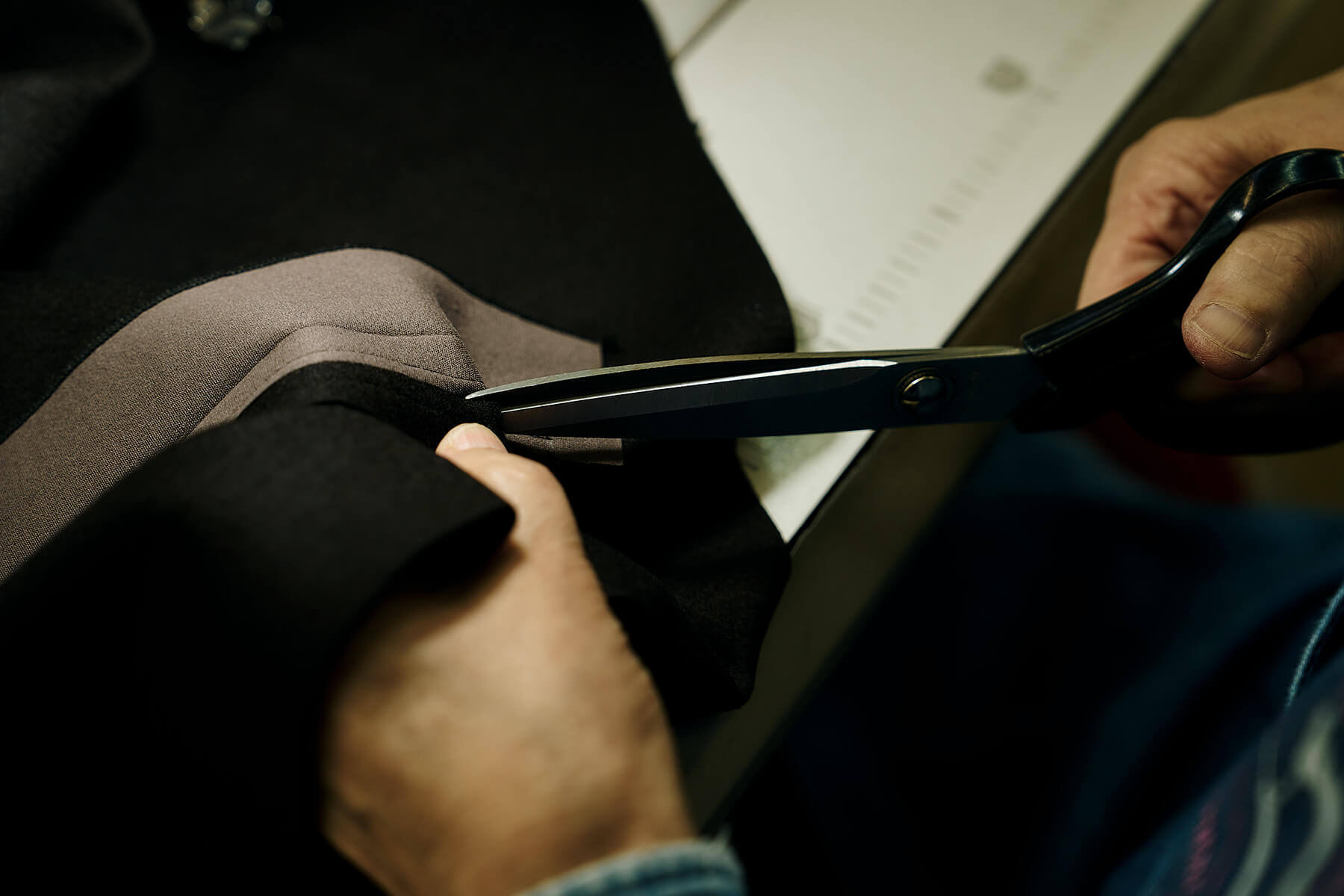
Passing through the entrance and down a corridor, we found ourselves in a vast factory space. Rows of straight-tube fluorescent lights lined the ceiling, with power cords hanging down here and there. Desks fitted with sewing machines and worktables stood in rows, and in the distance, people could be seen working with irons. The chairs swiveled, allowing people to turn around in their seats and exchange a few words with those behind them.
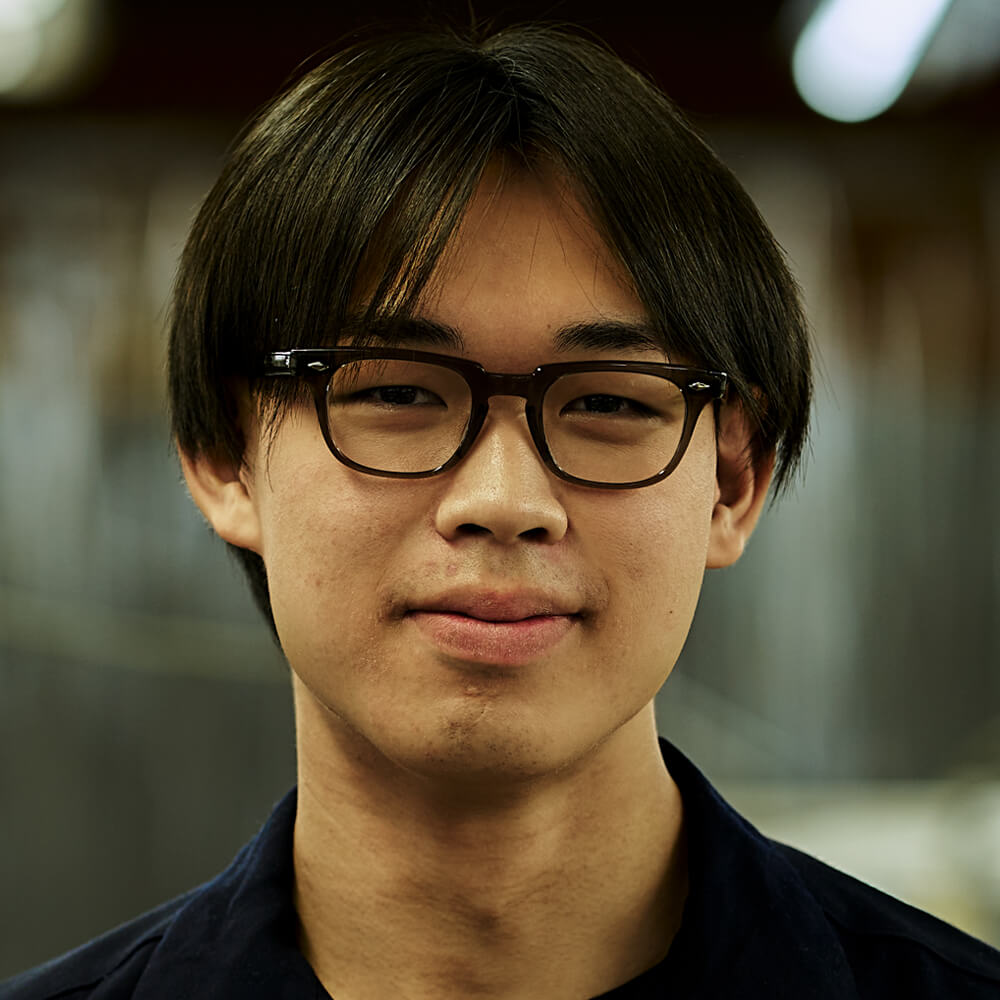
Among them was a young man sitting at a sewing machine: Yuta Michiba.
He had always liked making things. While attending a fashion school, he took part in an internship. He decided to join MONSTER because he felt it was a place where he could develop his skills further.
“I want to learn the work of garment sewing while continuing to make clothes of my own.”
There was something straightforward about Michiba’s words, and perhaps because of that, I found them almost dazzling.
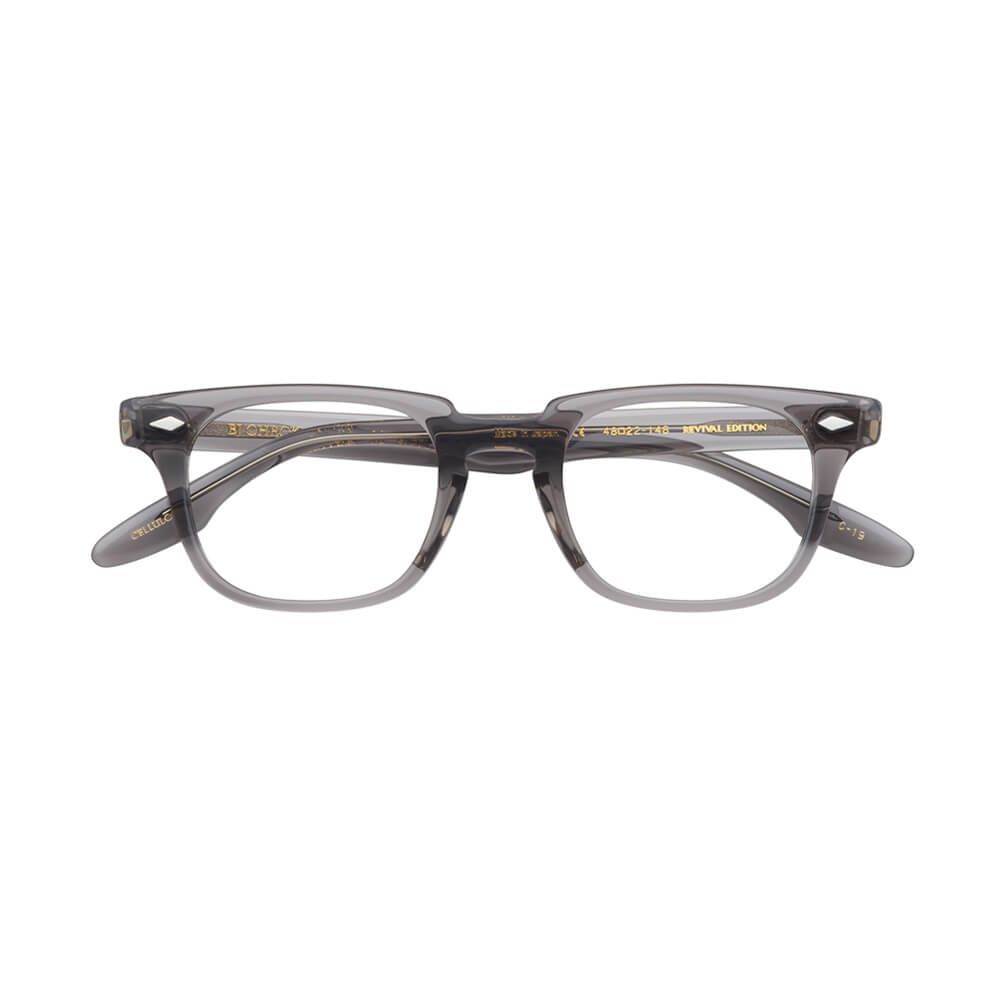
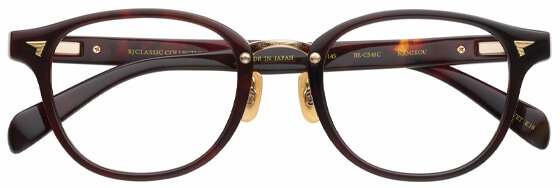
The glasses Michiba chose were the "BJ CHECKMATE CE". The clear gray frame in a square shape sharpened his gaze. His eyes were fixed on the needle. He looked at the QC tag on the back of the black fabric and moved his fingers slightly while feeding the fabric into the machine.
I pointed my camera at the expression of someone completely absorbed in his work.
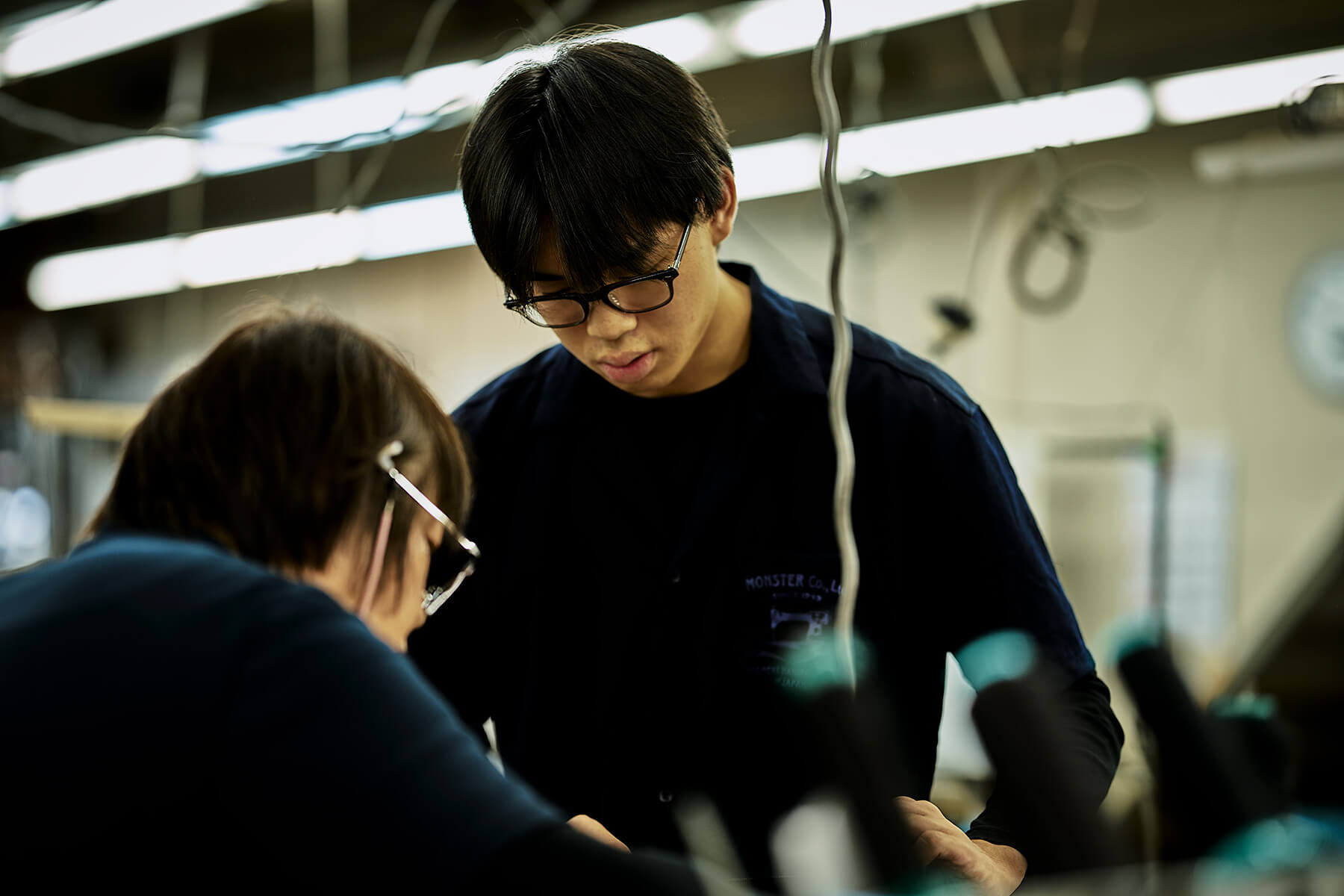
Michiba then told us:
“I respect Kato-san.”
We also asked Kato-san and the other senior workers to put on glasses and gather in front of the camera. At first, they seemed a little unsure, but whenever they looked at one another, smiles naturally appeared. Standing in the middle, surrounded by his seniors, Michiba, the tallest of them all, showed his biggest smile of the day.
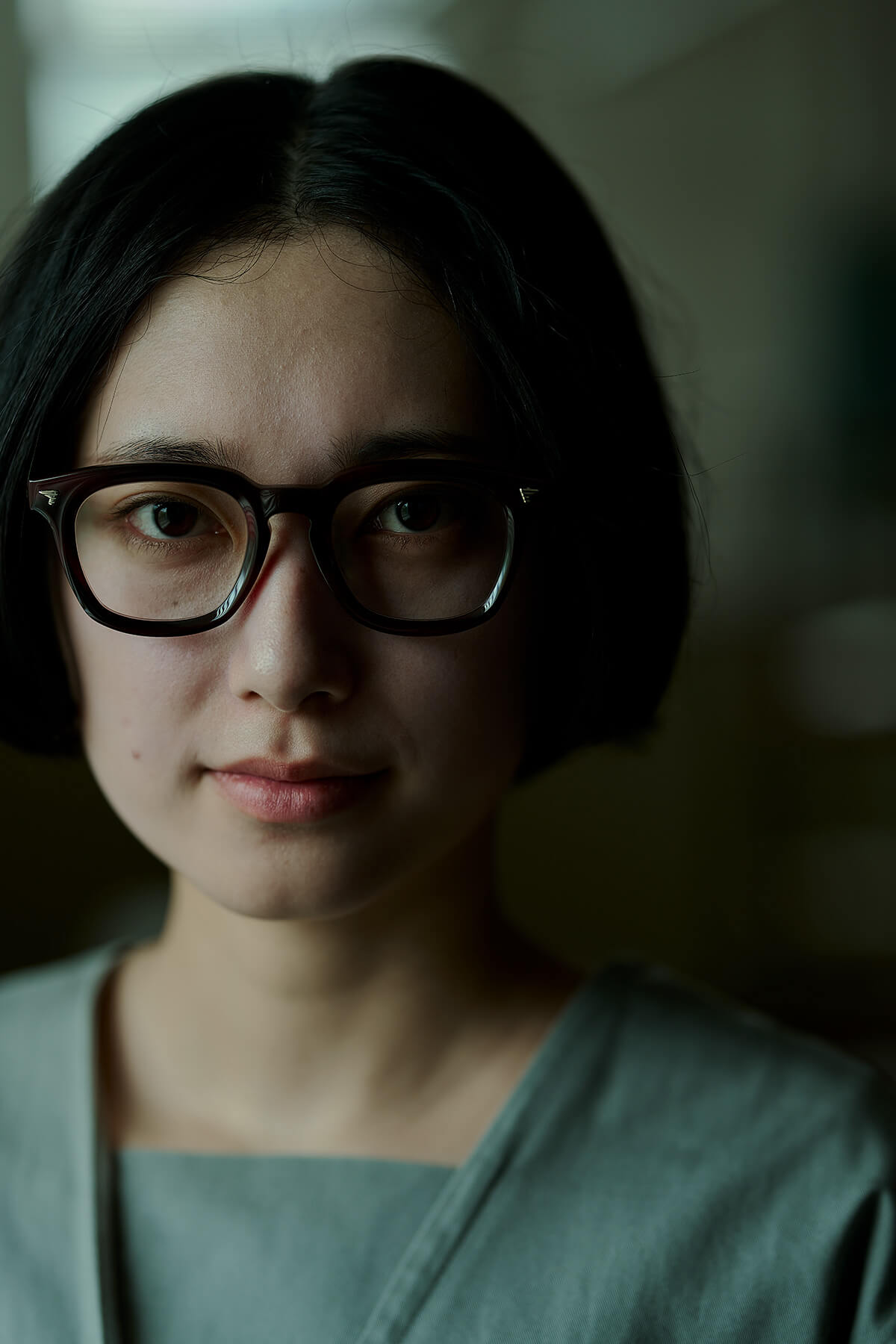
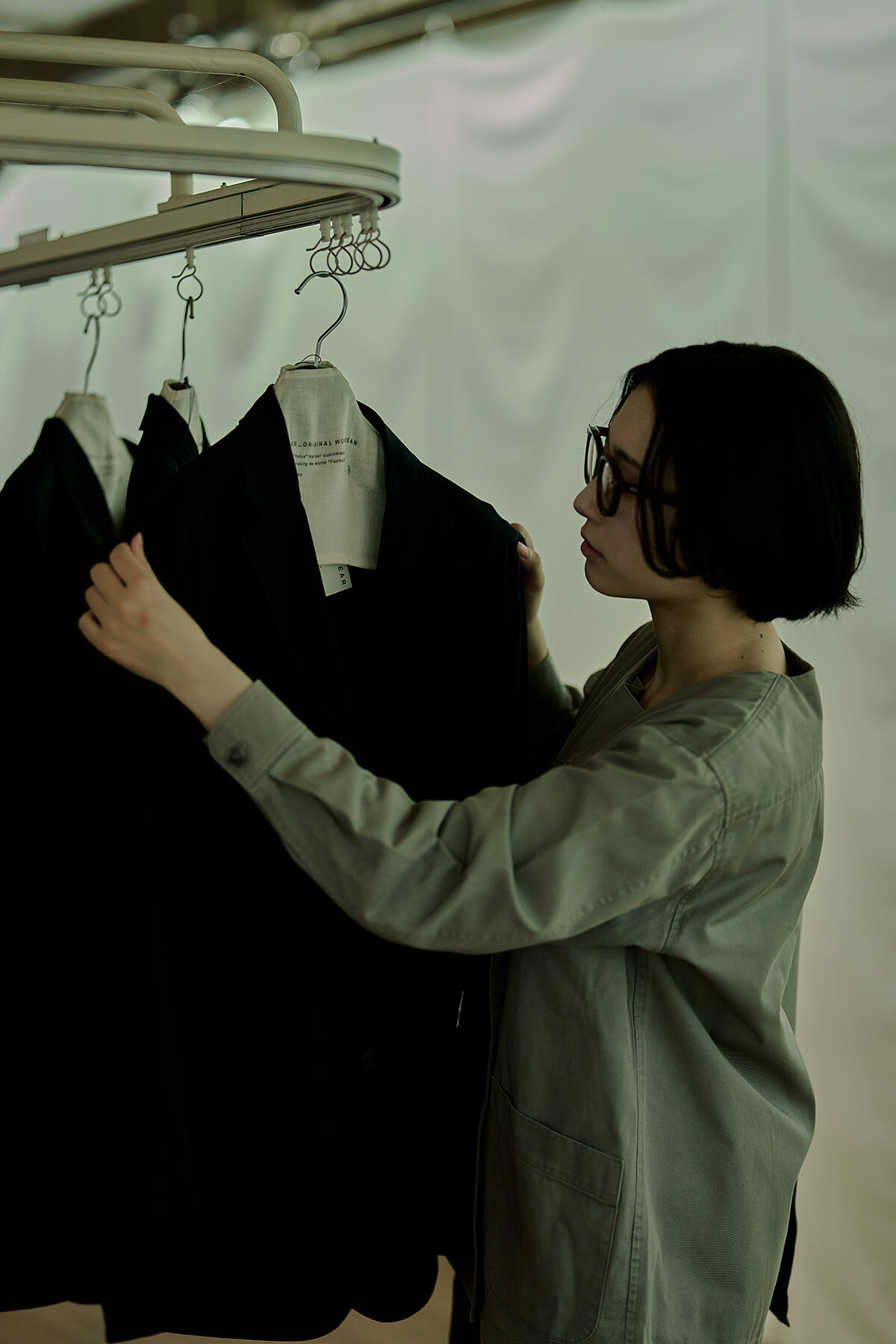
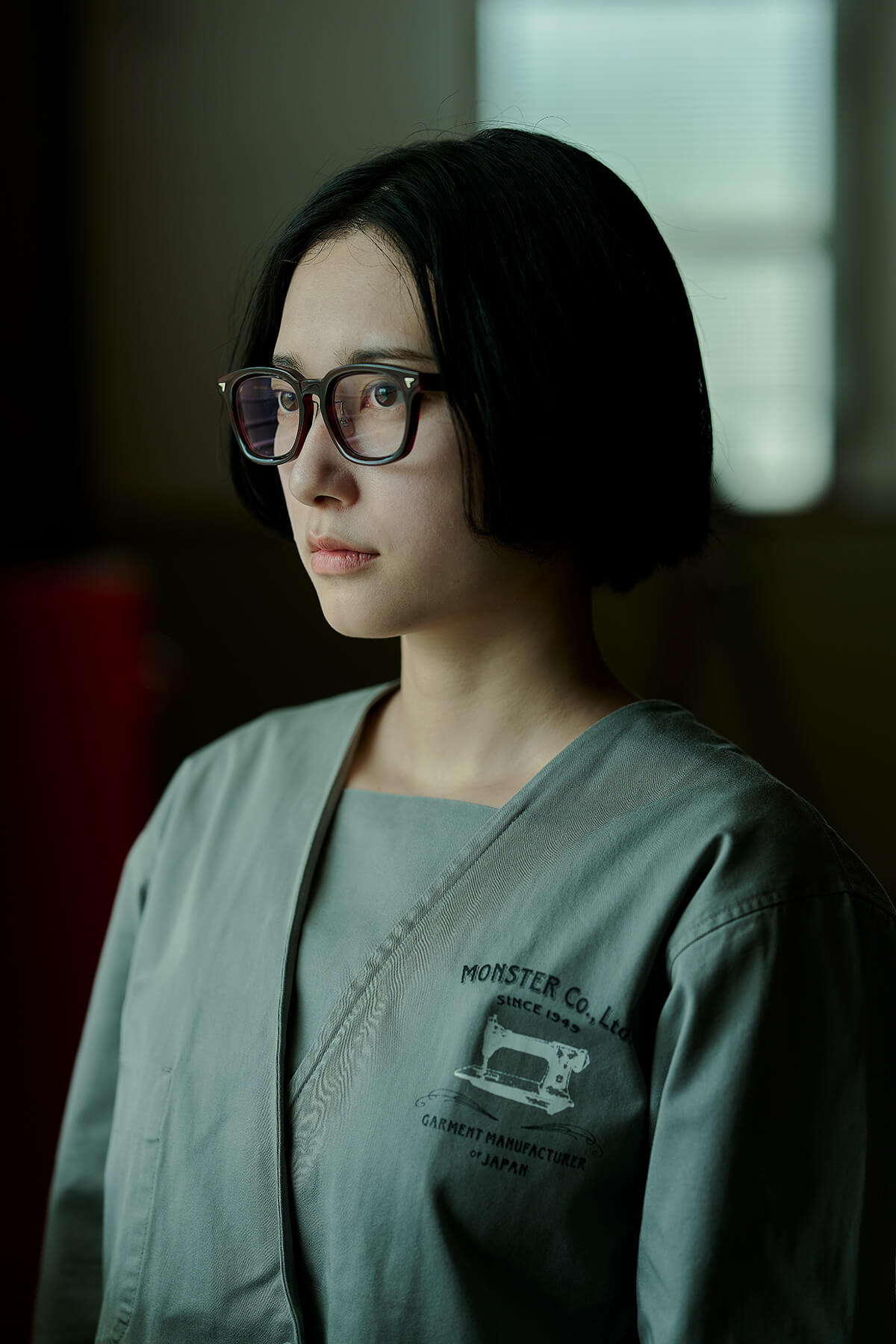
We turned our attention to another member of the younger generation: Mami Okita, from the Planning and Development Department.
In one corner of the factory is a shop space called “CONVENIENCE/STORE,” covered in white fabric. There is also a space called “M/SPACE,” which is used for music events and workshops.
I suppose Okita is the one responsible for the work that goes into these spaces.
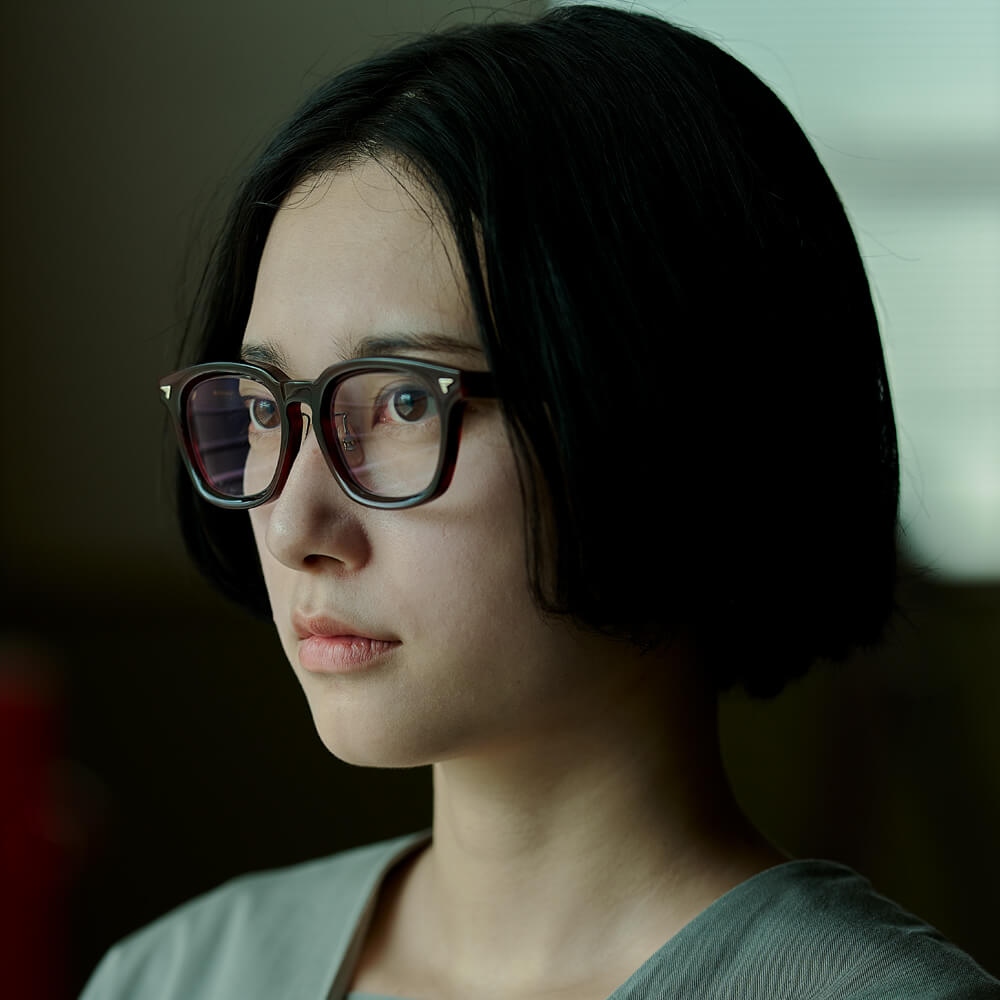
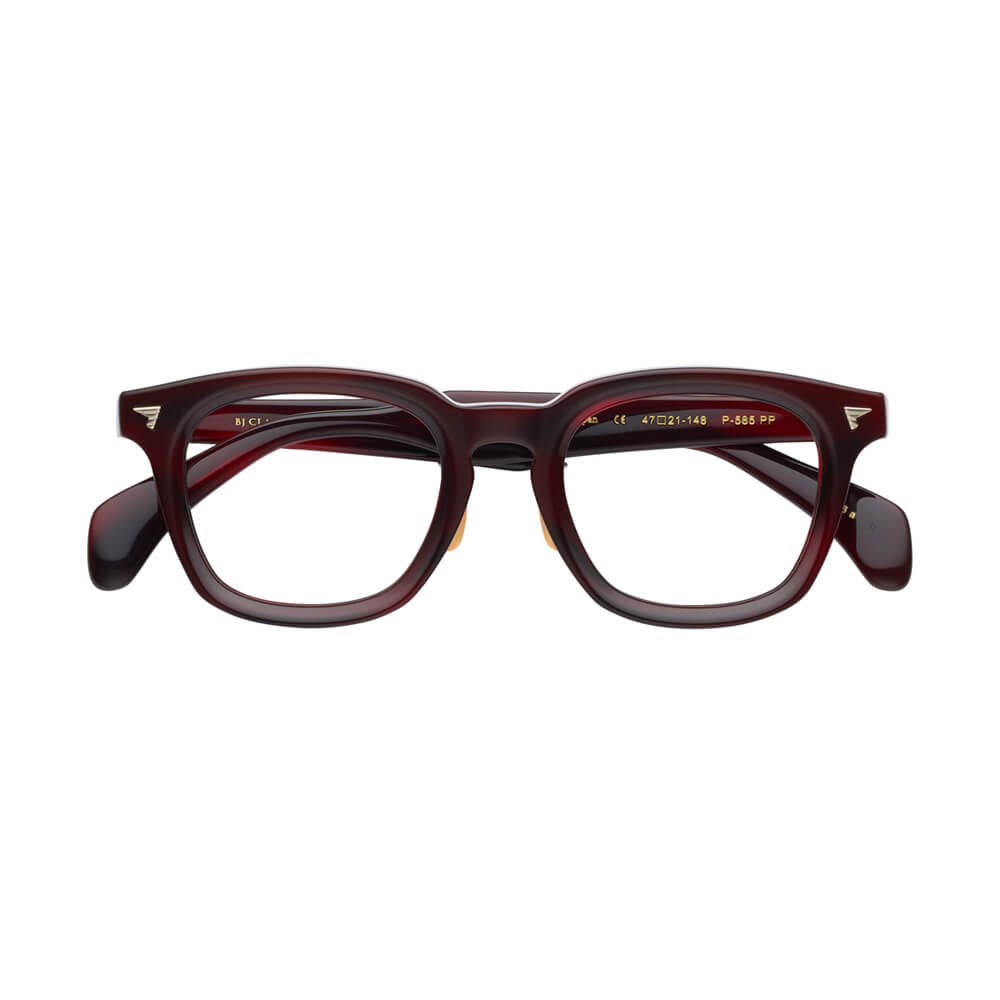
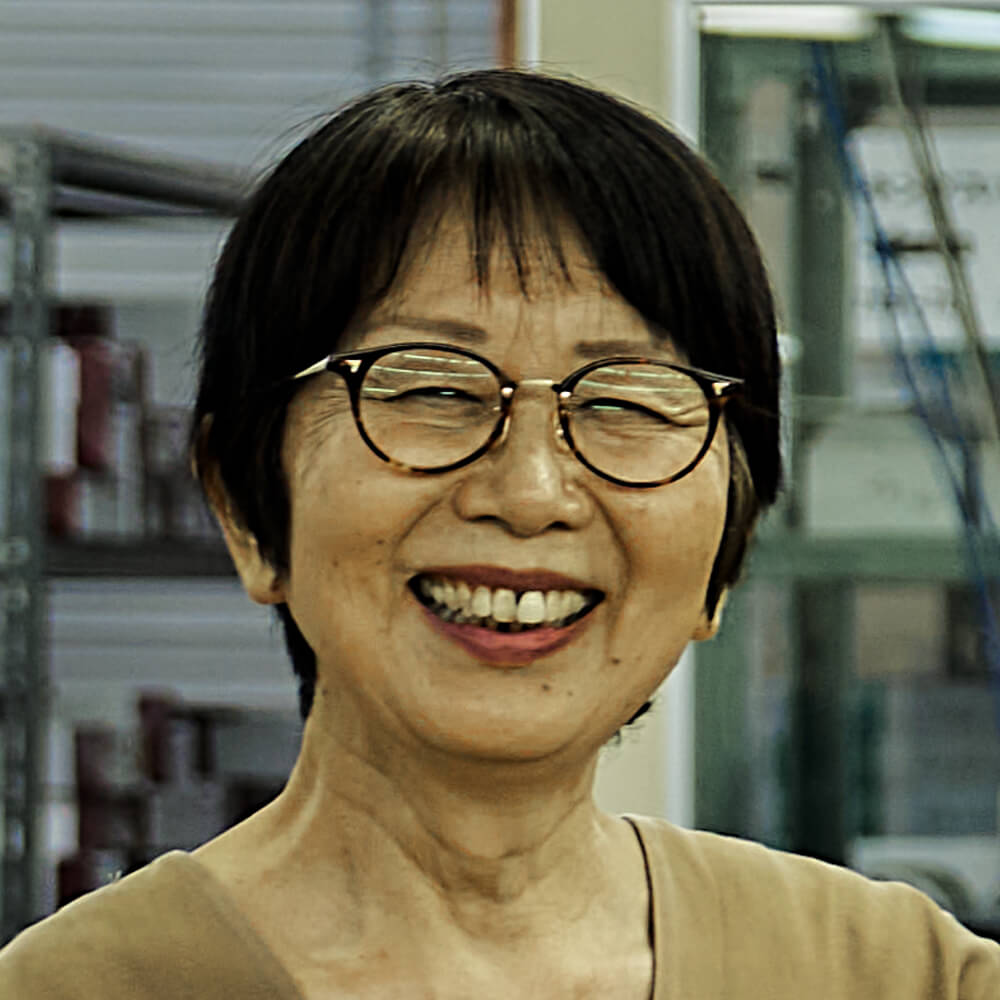
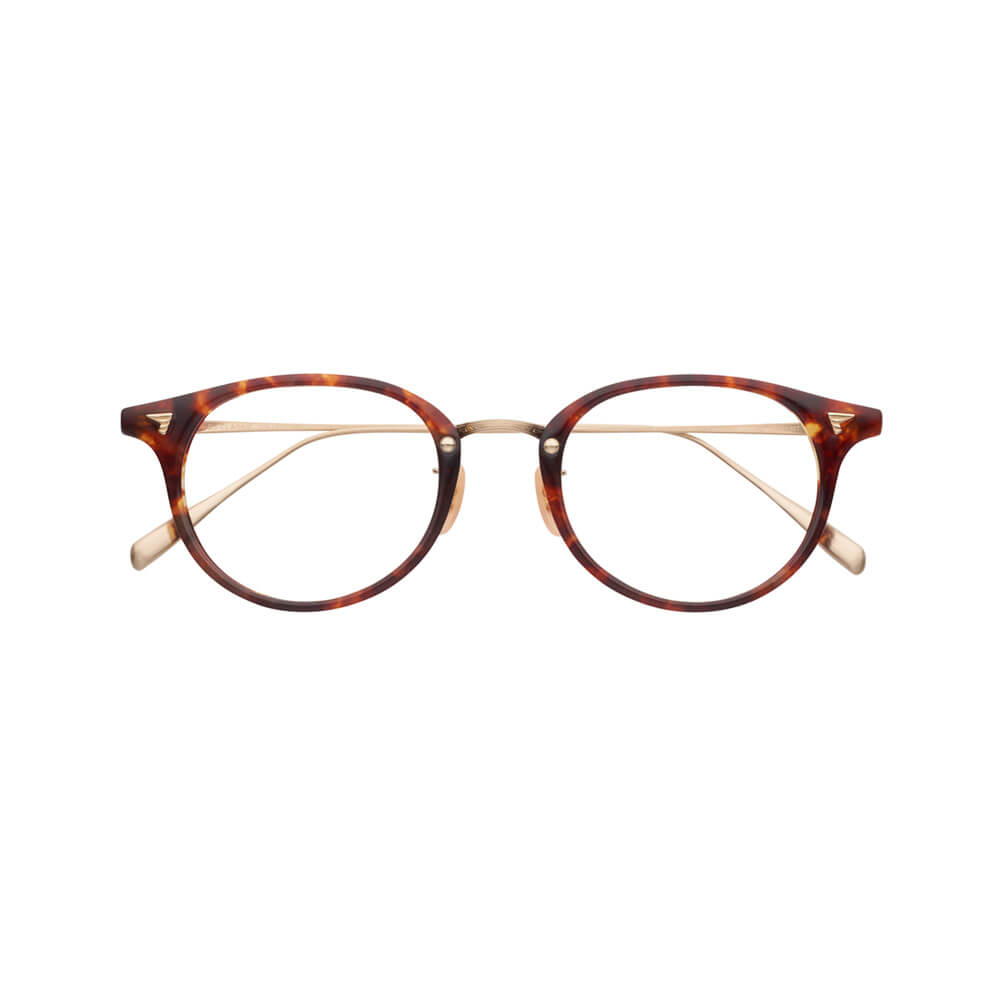
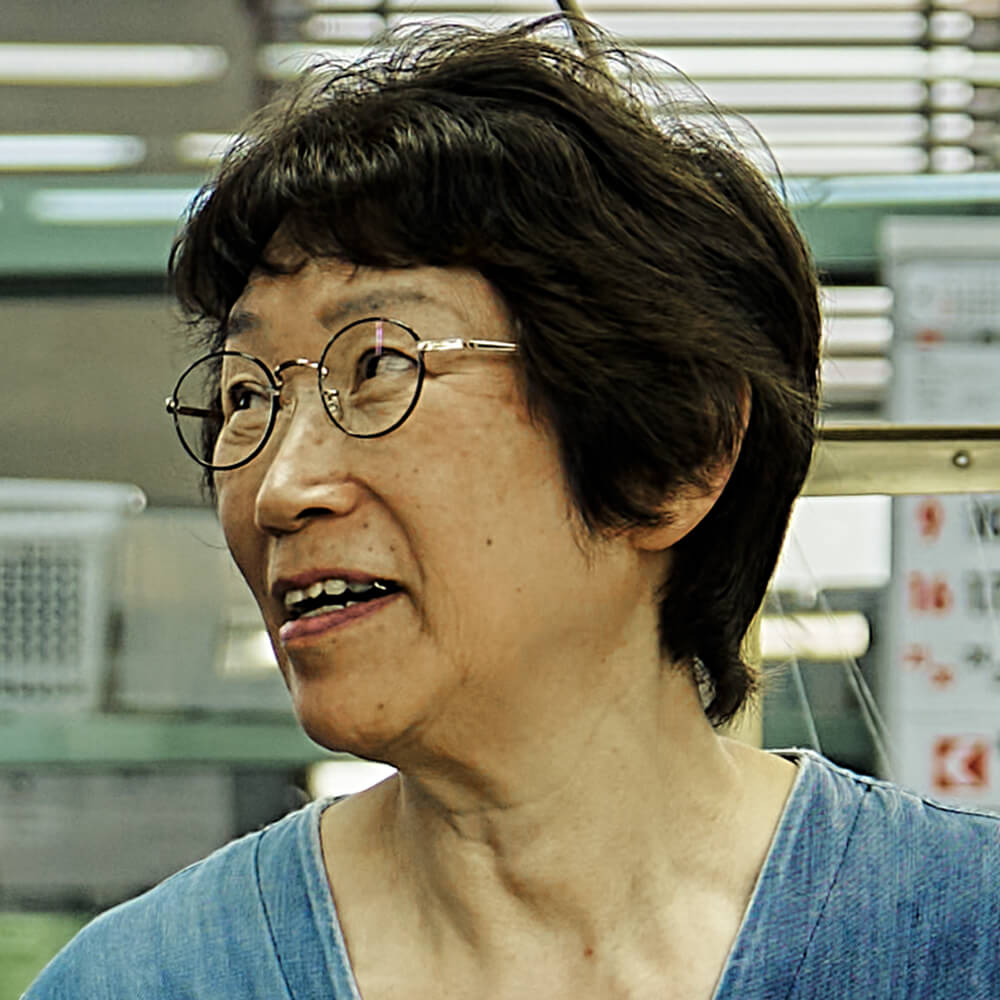
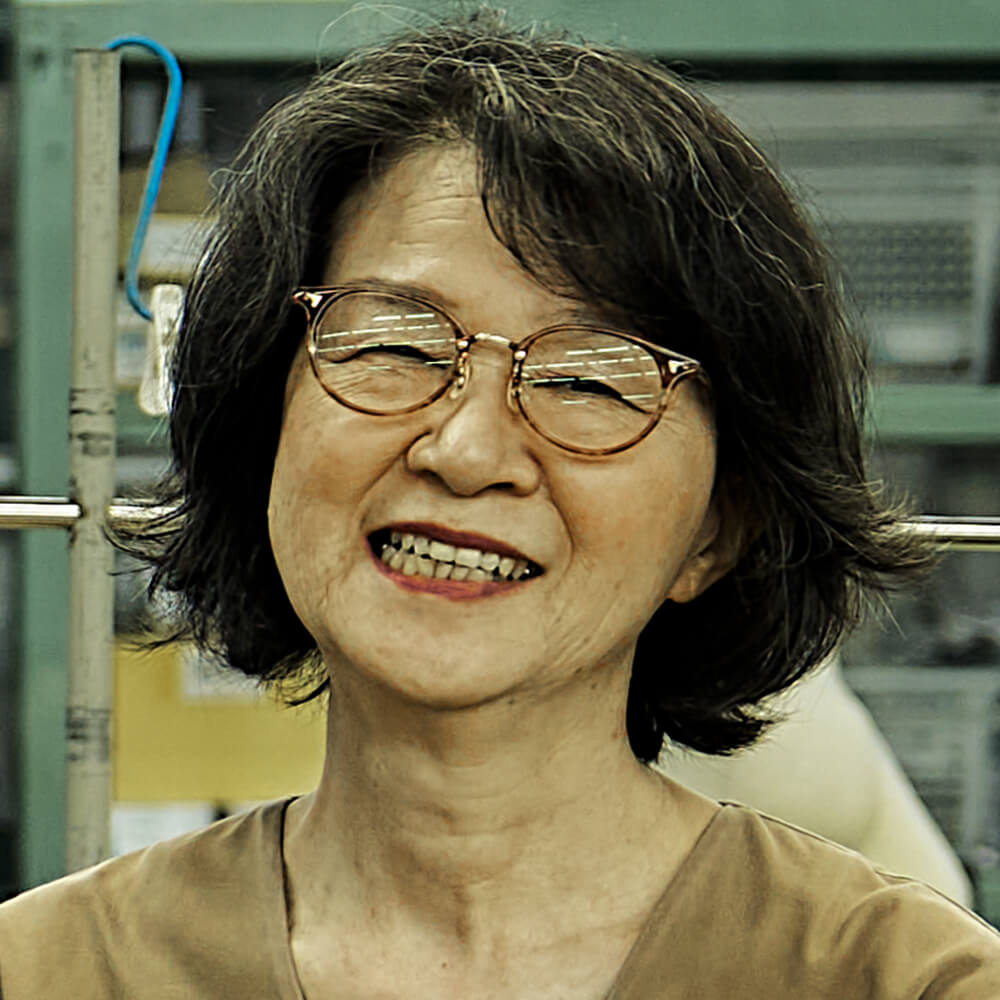
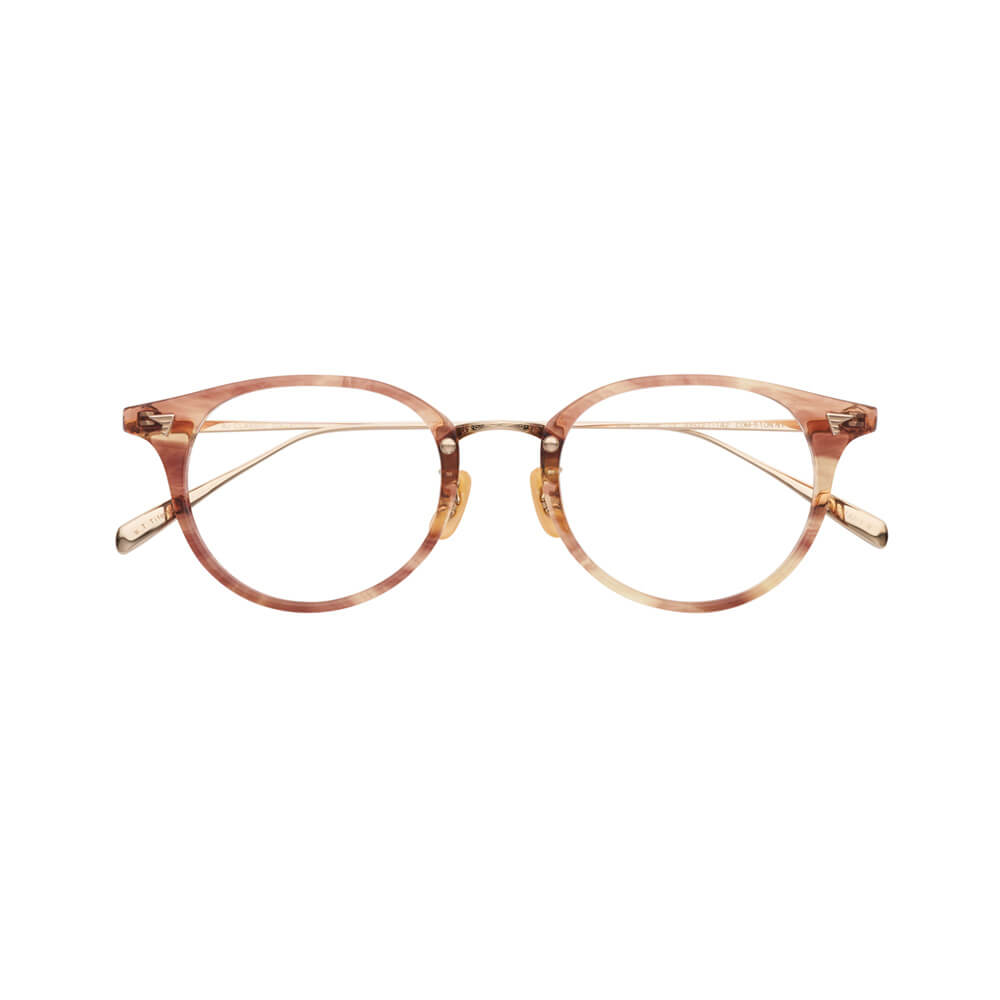
The glasses Okita chose were the “P-585 PP” from the PLASTIC series. They featured a three-dimensional design with a sense of depth. When the frame, with its facet-cut finish, is added to Okita’s features and bobbed hair, the contours of her face come into focus, giving her a stylish look.
“I’m nervous,” she had said, but she showed no hesitation when the camera was pointed at her.
“How should I look?”
“Are my glasses sitting straight?”
She would ask whatever came to mind, one thing after another.
Okita studied design at university and worked as a graphic designer after graduating. Perhaps because of that, she seemed to have an eye for how a photograph should look, and I felt that perspective came through naturally in front of the camera.
The shoot reached a stopping point, and I let out a small breath, finally relaxing my shoulders.
As I lowered the blinds on the windows we had opened to let in some light, I looked around the space once again.
Founded in 1949, this garment factory still retains traces of the Showa era, while continuing to be a place for new forms of making.
There are experienced craftspeople who have spent many years making things. Beside them, new hands are learning and refining their skills. Each person is doing their own work, in their own place.
As I looked around at the scene, the factory began to look to me like a small town, with people who make things gathered together in one place.
After carrying the camera equipment back to the car, I walked toward the nearby Hino River, feeling a little reluctant to leave.
After sitting for a while on a bench beneath the trees in the riverside park, I sensed something moving beyond the bushes. I looked over to see a small bird whose name I didn’t know just as it took flight.
One bird, then another, flew into the Fukui sky.
FEATURING
- Yuta Michiba
- Mami Okita
- Reiko Kato
- Namiko Shigekawa
- Fumiko Tamamura
- Kinuko Minami
SPECIAL THANKS
MONSTER CO., LTD.
4-36 Horikawa-cho, Echizen, Fukui 915-0061, Japan
Founded in 1949, the company began with a single sewing machine in Takefu, Fukui, and has been engaged in manufacturing, with a focus on garment sewing, for many years. While valuing the skills and experience it has built over time, the company continues to pursue new forms of making in step with the times.
03
TAKAGISHI EYEWEAR
Former Eyewear Craftspeople
The mountains, still holding the traces of dawn, drift past with faint shadows rising across them.
Our destination was a certain building in Sabae, where we are based.
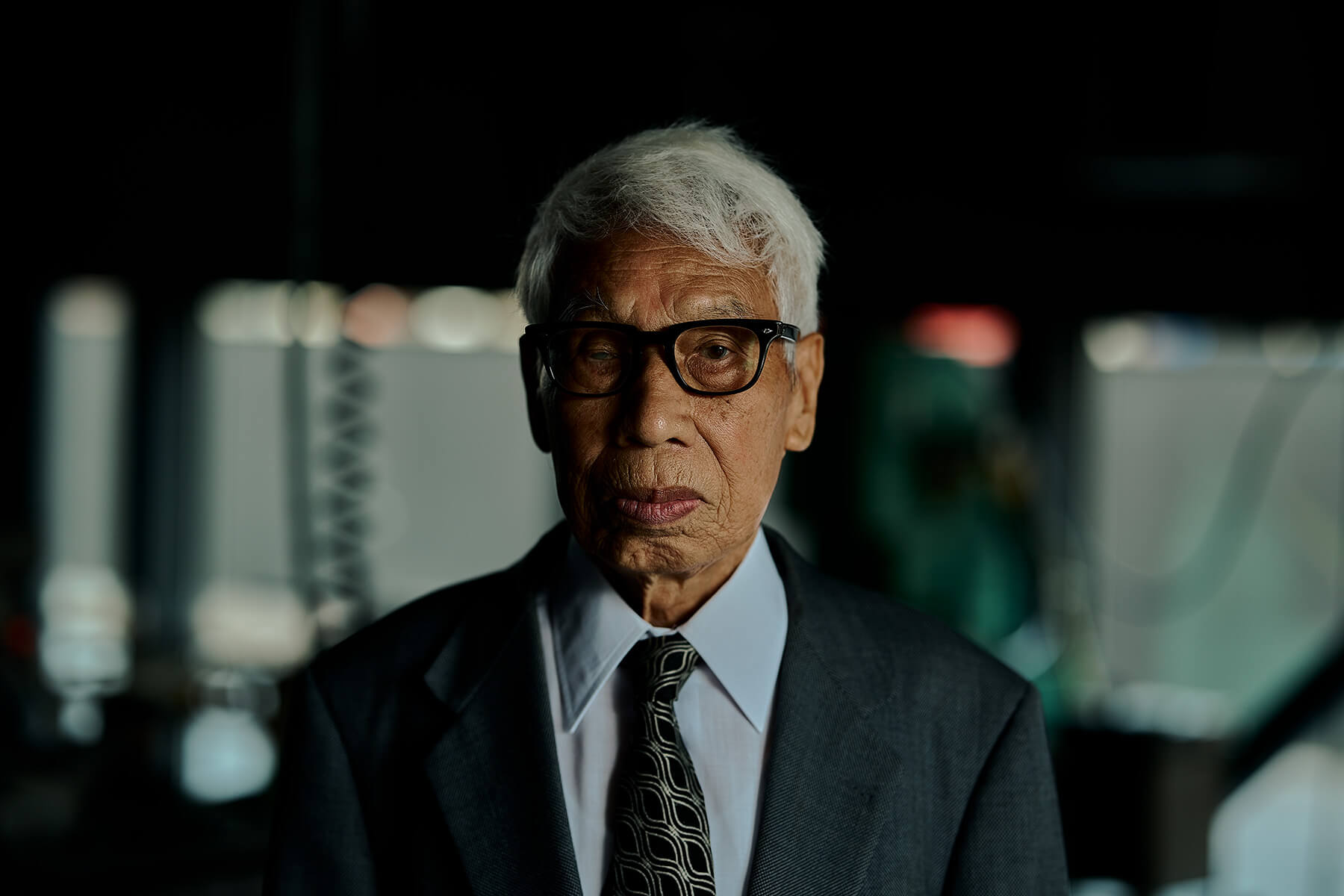
The people we were waiting for were a husband-and-wife team of former eyewear craftspeople who had once made BJ CLASSIC COLLECTION glasses together with us. Nobuo Takagishi and Sachiko Takagishi.
We heard the sound of gravel announcing the arrival of their car.
As we welcomed them inside, we expressed our heartfelt gratitude.
All right. Let’s begin.
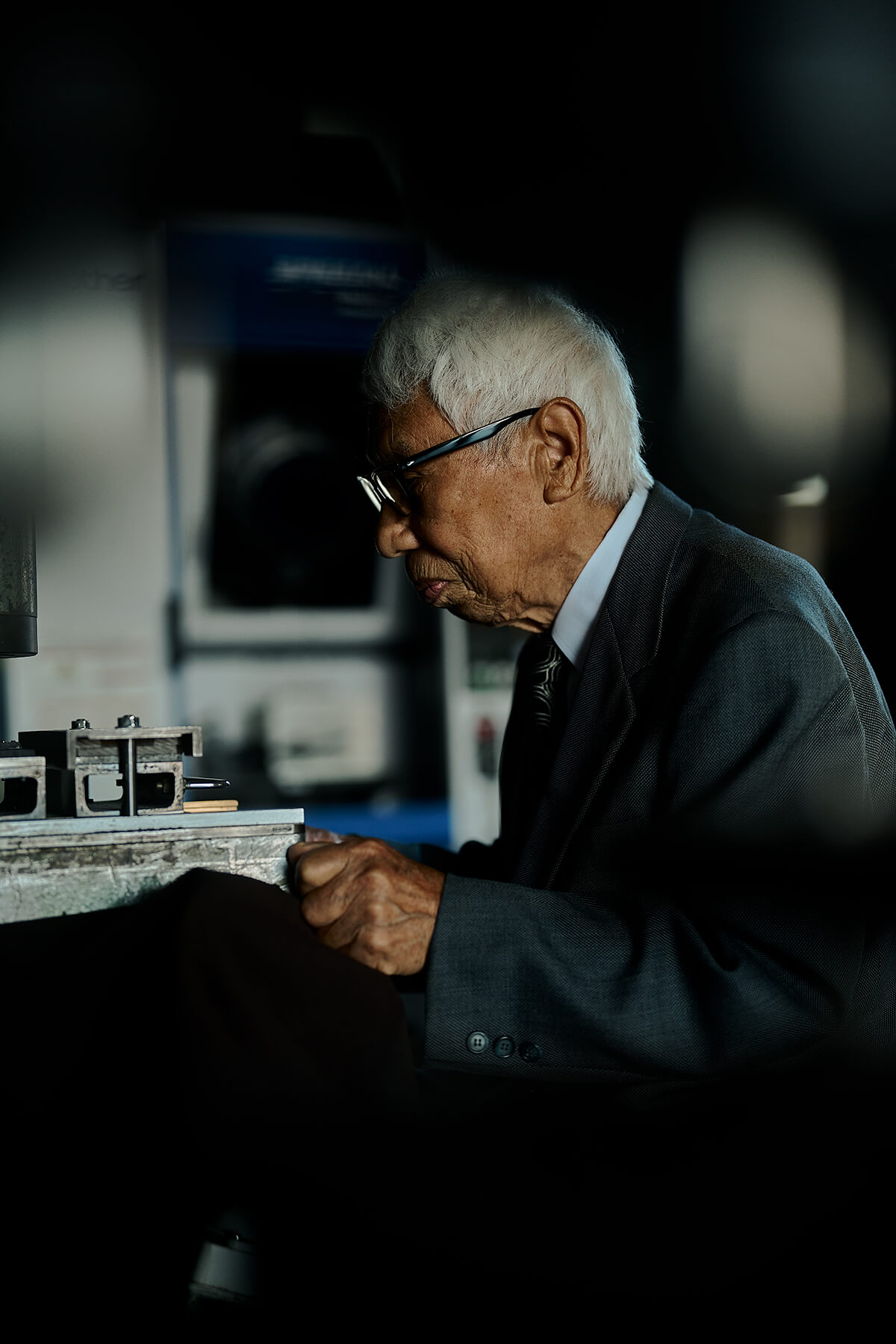
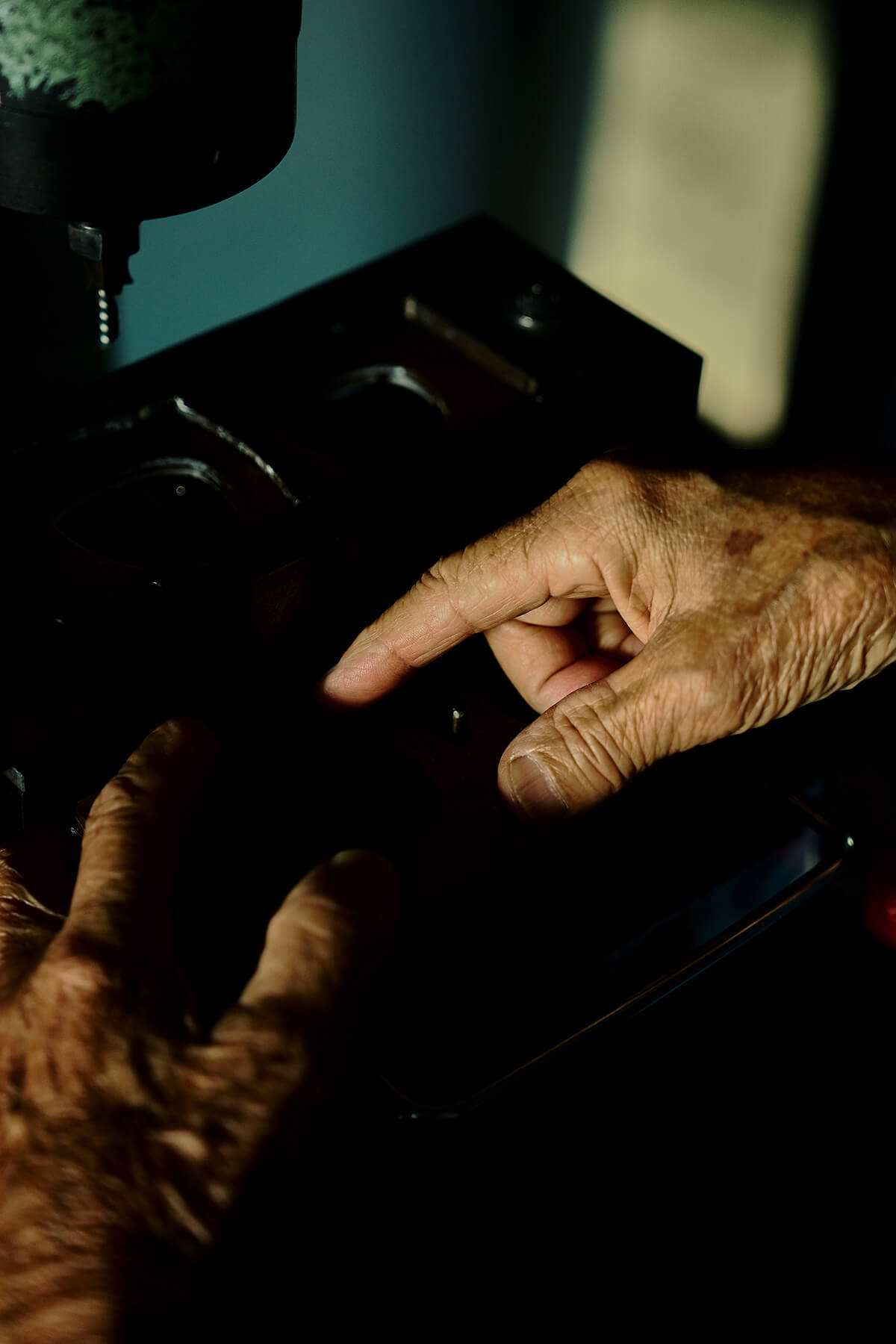
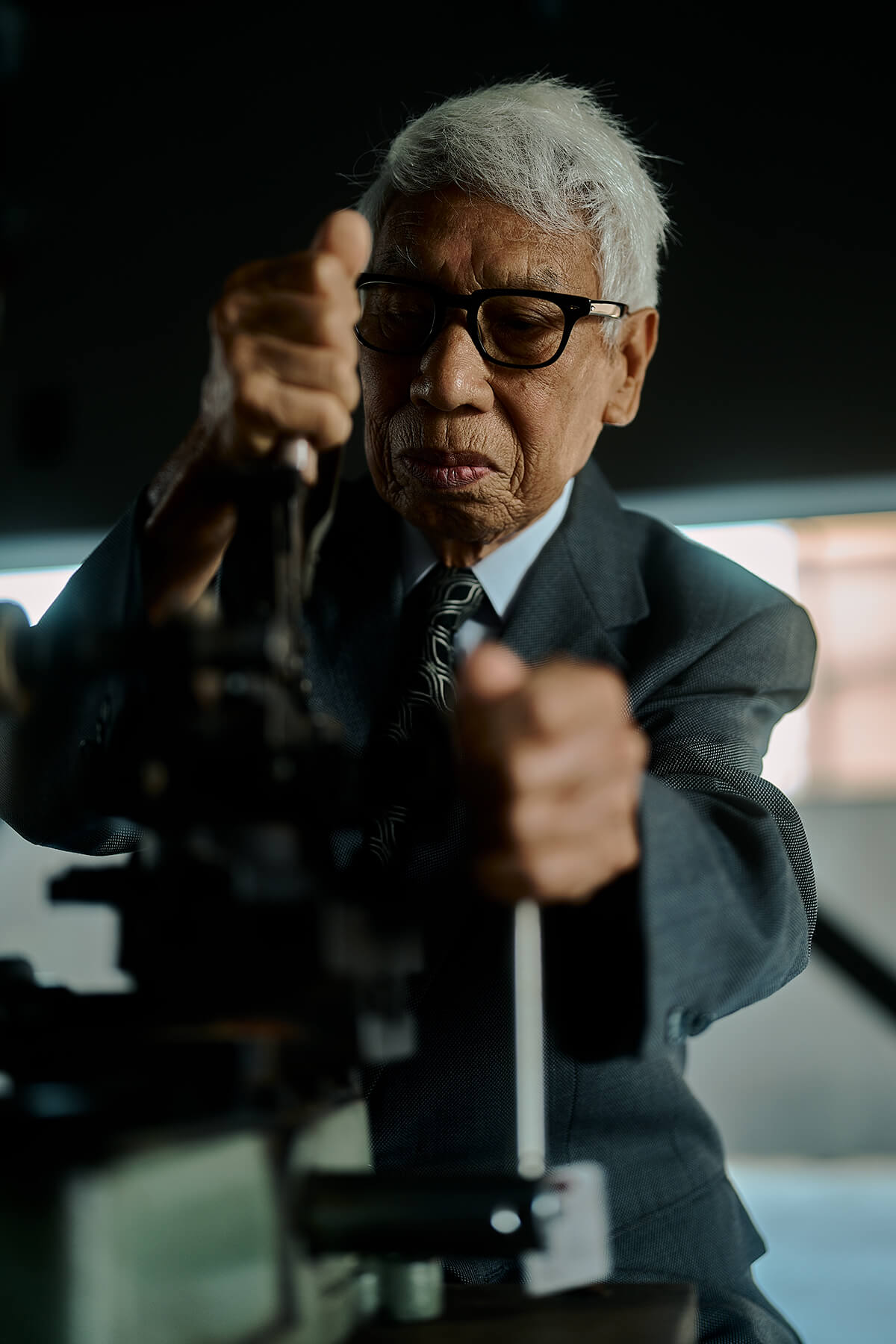
There is something here that we received from the Takagishis. It is a machine they used back when they were still eyewear craftspeople. They described it as their "partner," or "something like a child of their own."
The couple stopped for a moment and looked around the space where the machine had been placed, then slowly began walking again.
“It’s been given a good place here,” Nobuo said.
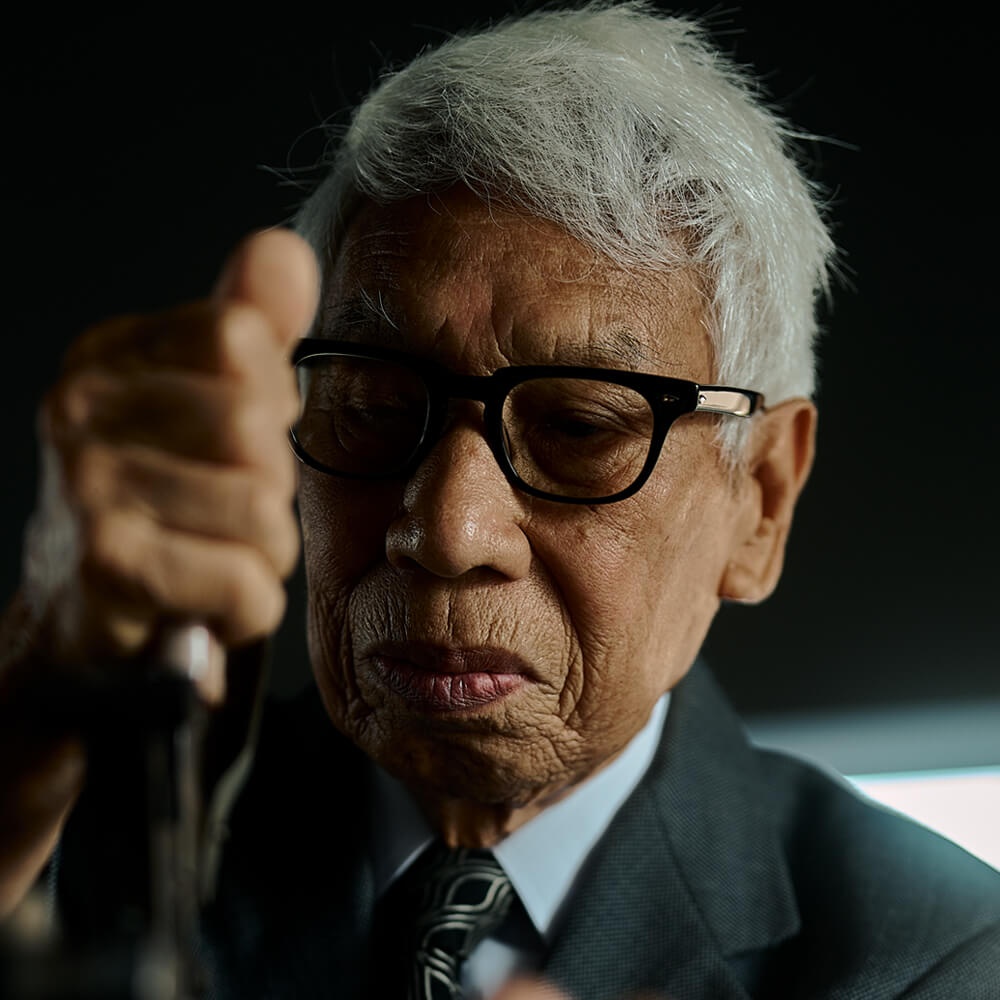
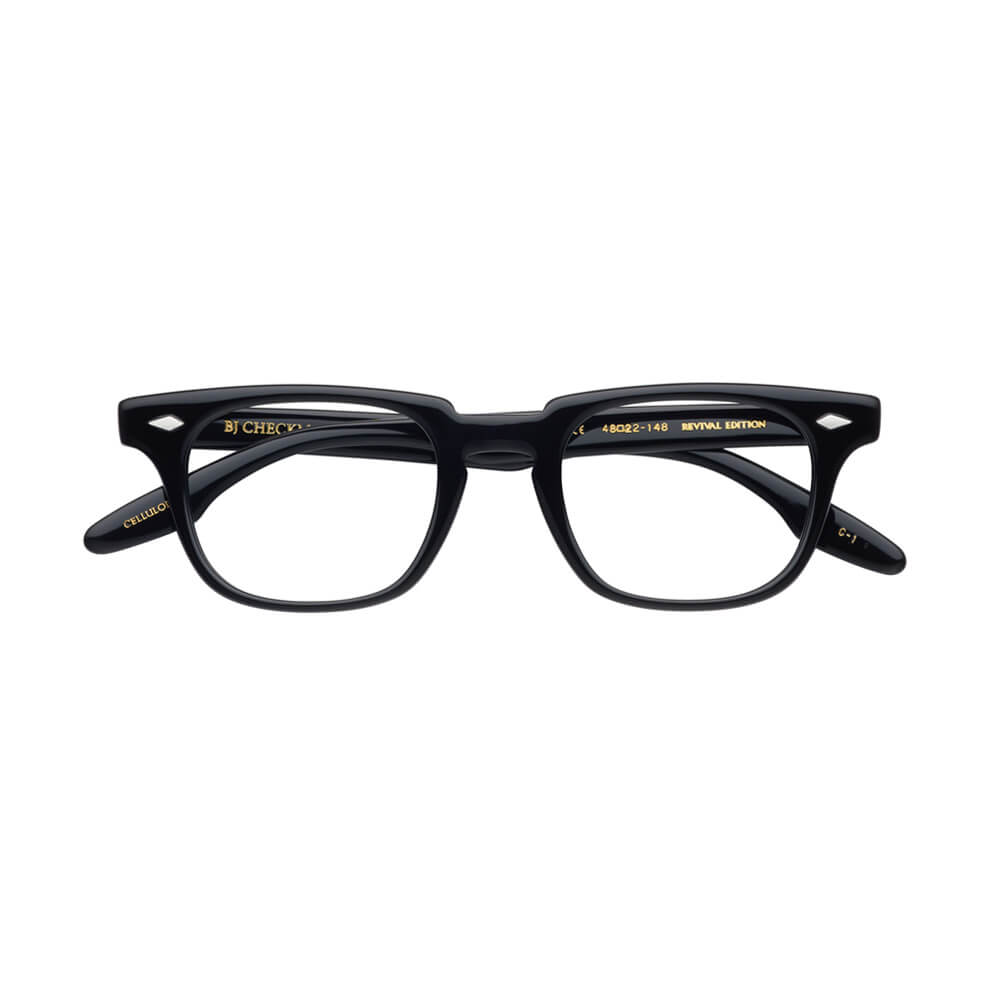
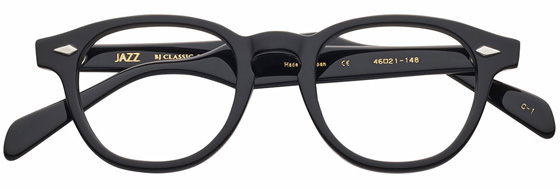
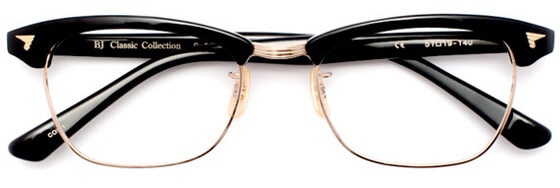
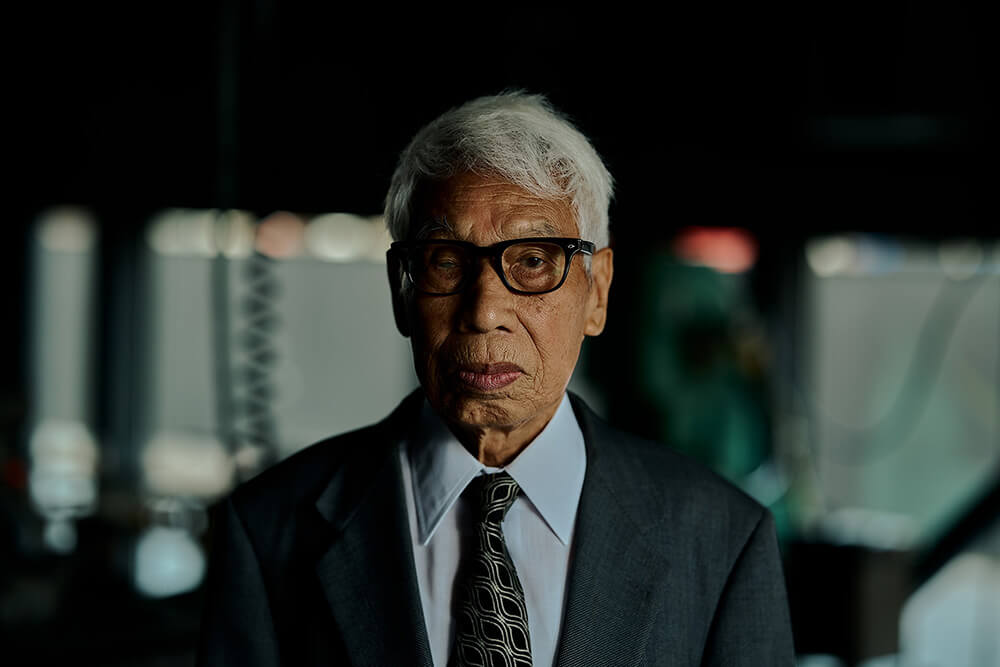
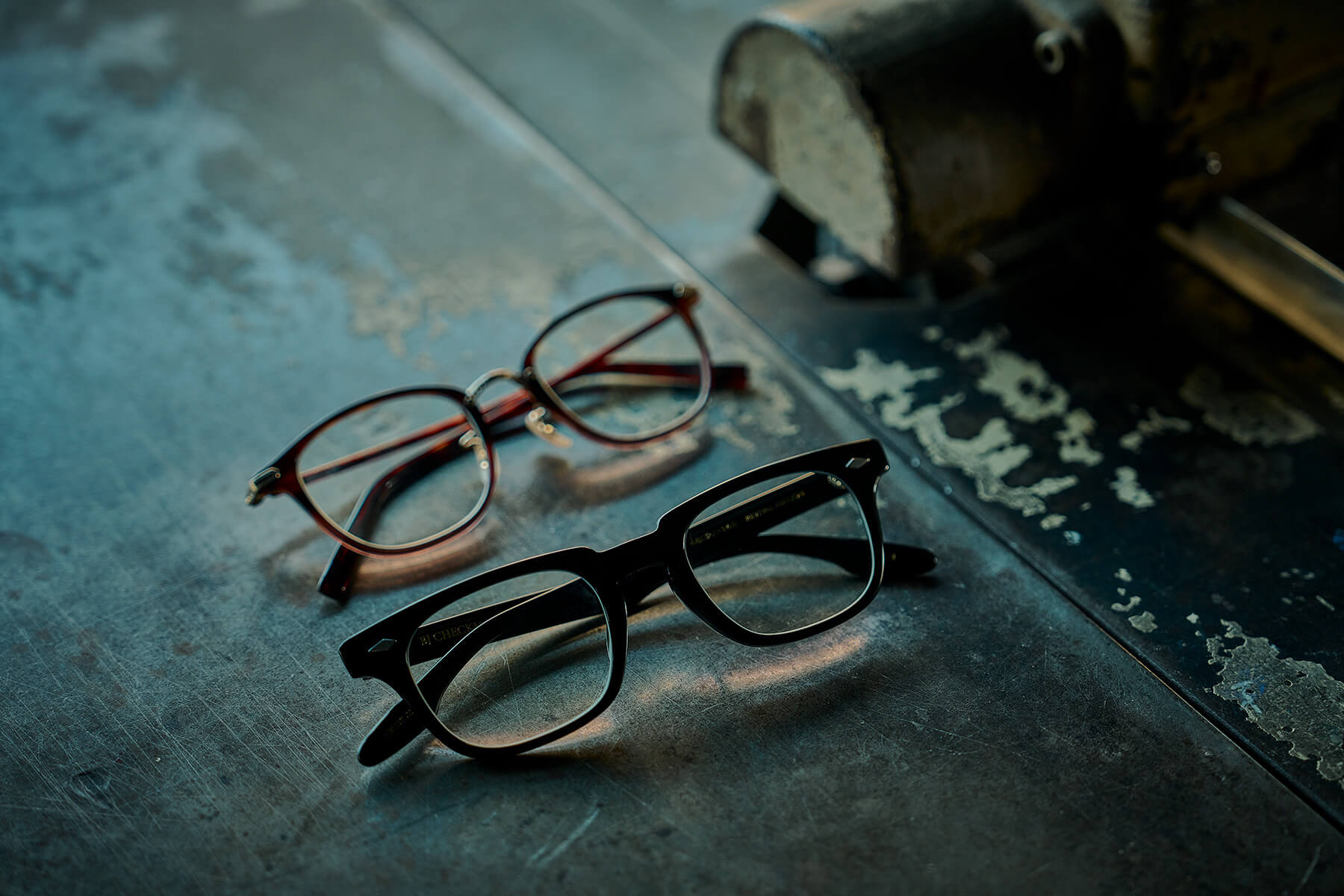
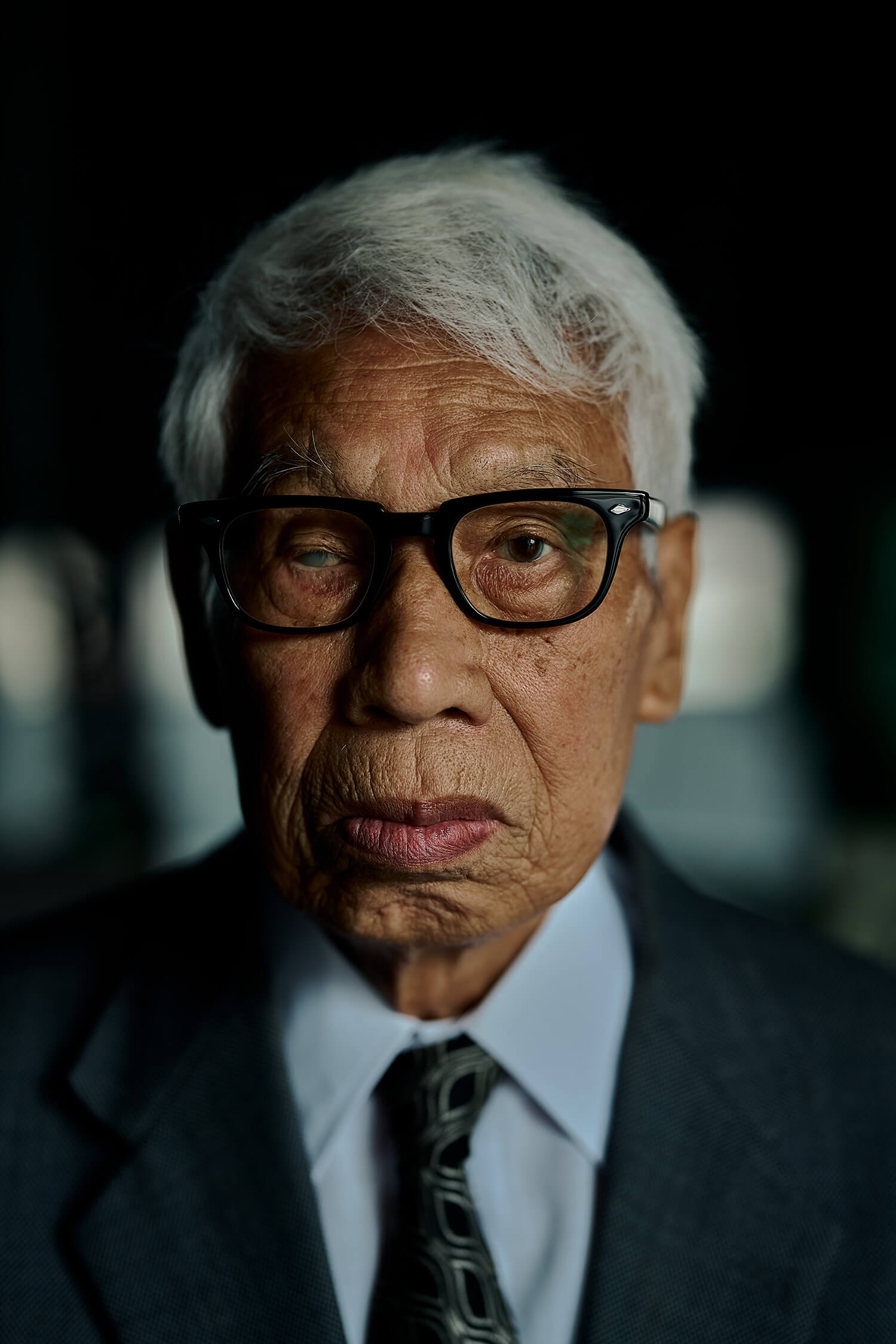
The "BJ CHECKMATE CE" chosen by Nobuo is based on details from eyewear originally released in the US in the mid-to-late 1950s. For Nobuo, who began working as an eyewear craftsman in his mid-teens, it was the style of the time when he started his career.
In the silence, the only sound was the small click of the camera shutter.
Nobuo’s expression as he looked into the camera was completely natural, with a calmness about him and an unwavering gaze. The contrast between his white hair and black frames was also striking. I was captivated.
We asked Nobuo to sit down.
In front of his chair was the machine he calls his “partner,” used to cut out the front of the frame.
Nobuo reached out and touched the machine with a hand that seemed almost affectionate.
“How do you use this machine?” In response to my question, he shifted his position slightly, placed both hands on the levers, and settled into place. He hunched his back a little and became still, then tightened his grip on the levers.
For some reason, he looked almost like a jazz pianist.
Perhaps it was because the jacket and tie suited him so well with the glasses. Or perhaps because the sense of being one with the machine had given him an added intensity.
Sachiko watched the shoot from a little distance away.
The machine Sachiko had used was here, too.
"This is the one I used."
She said it as she stroked the top of the desk-style machine with both hands, reaching as far as she could.
A smile appeared on Sachiko's face as she spoke of it as “something like a child of my own.”
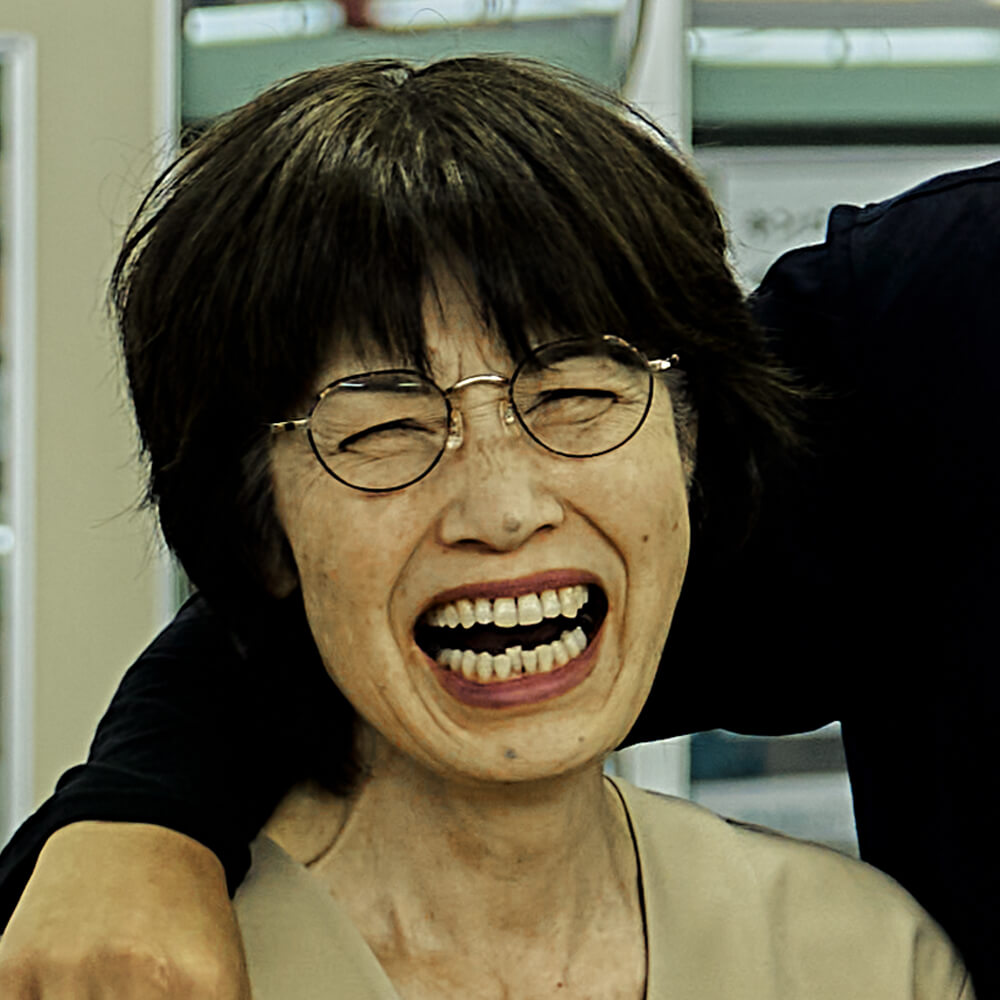
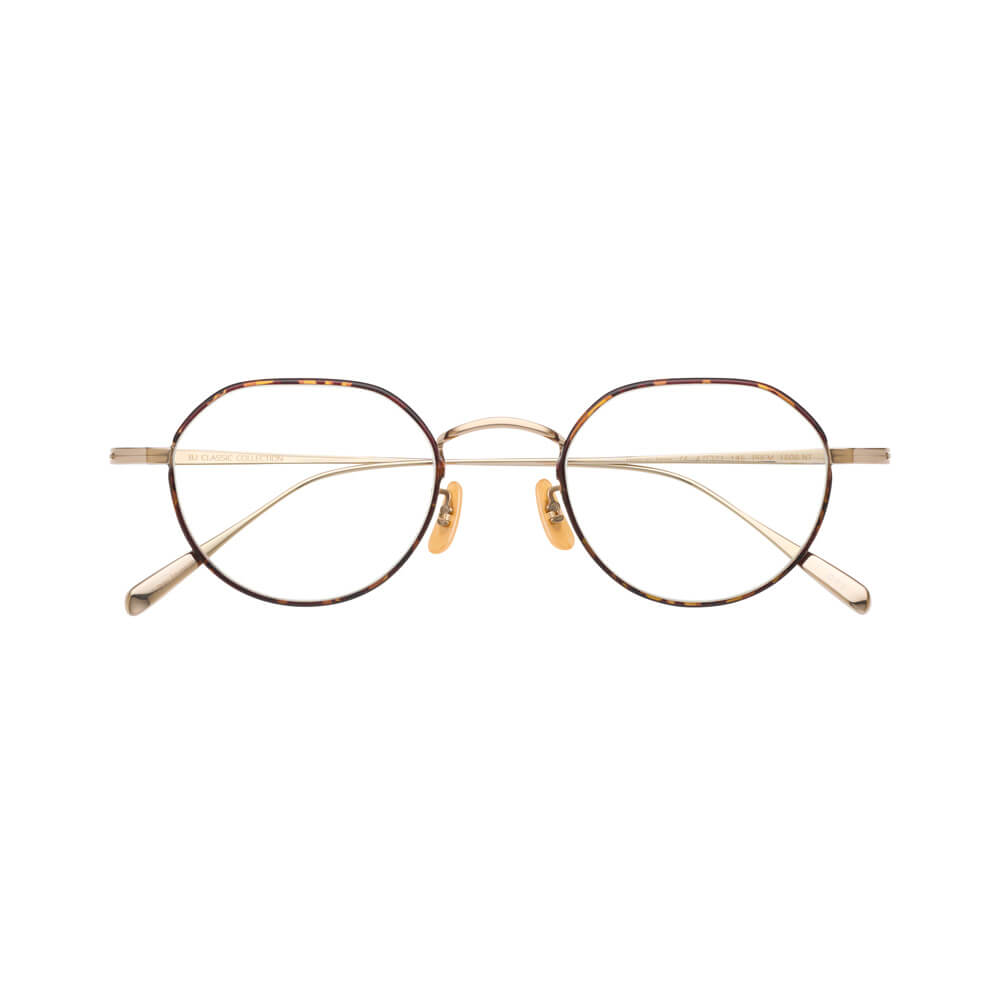
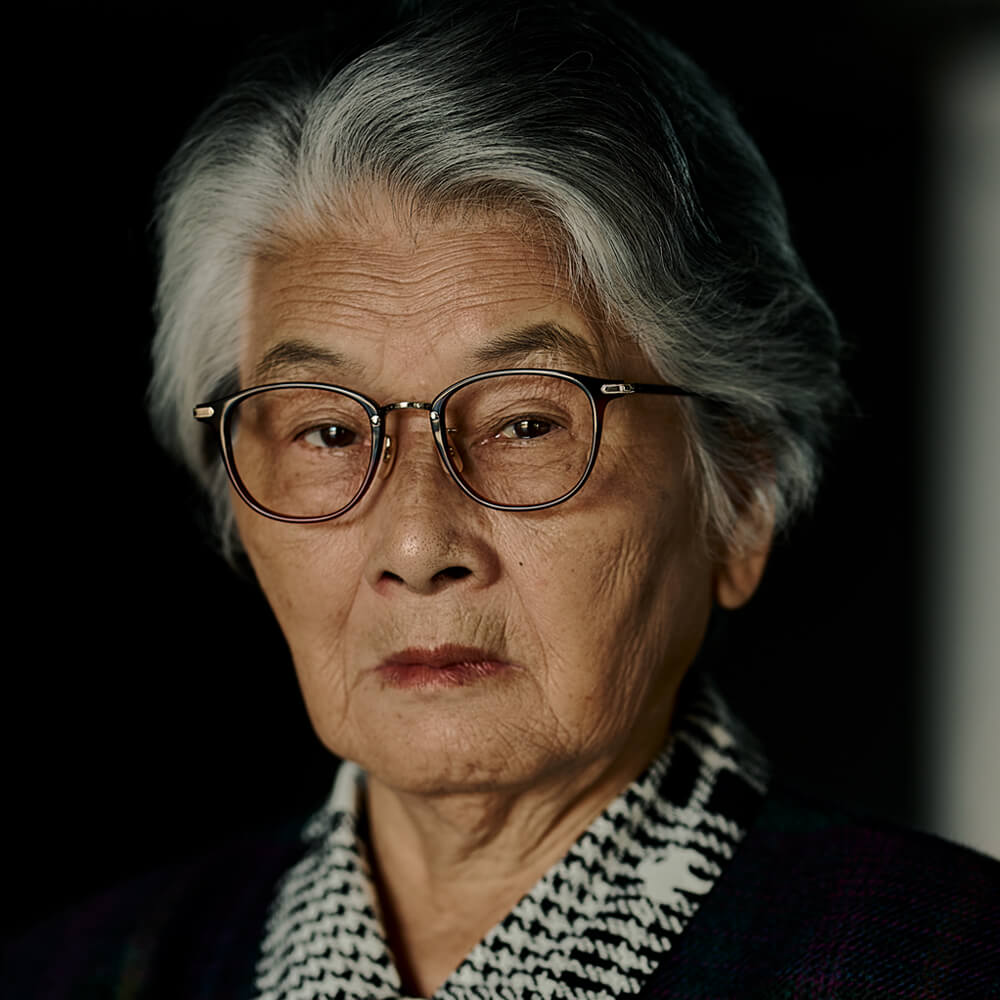
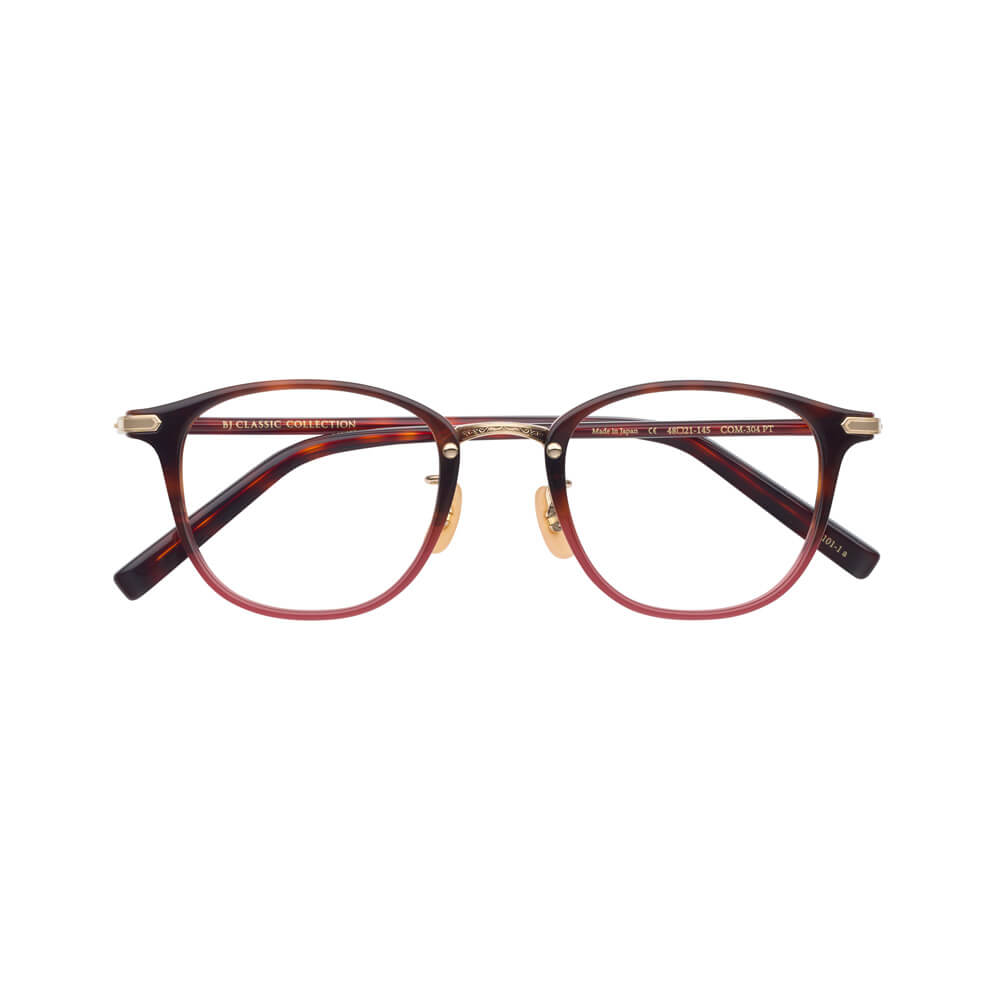
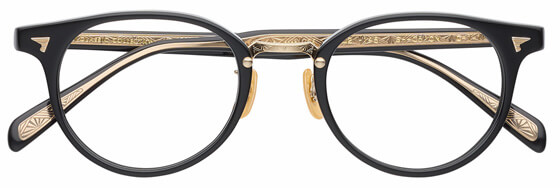
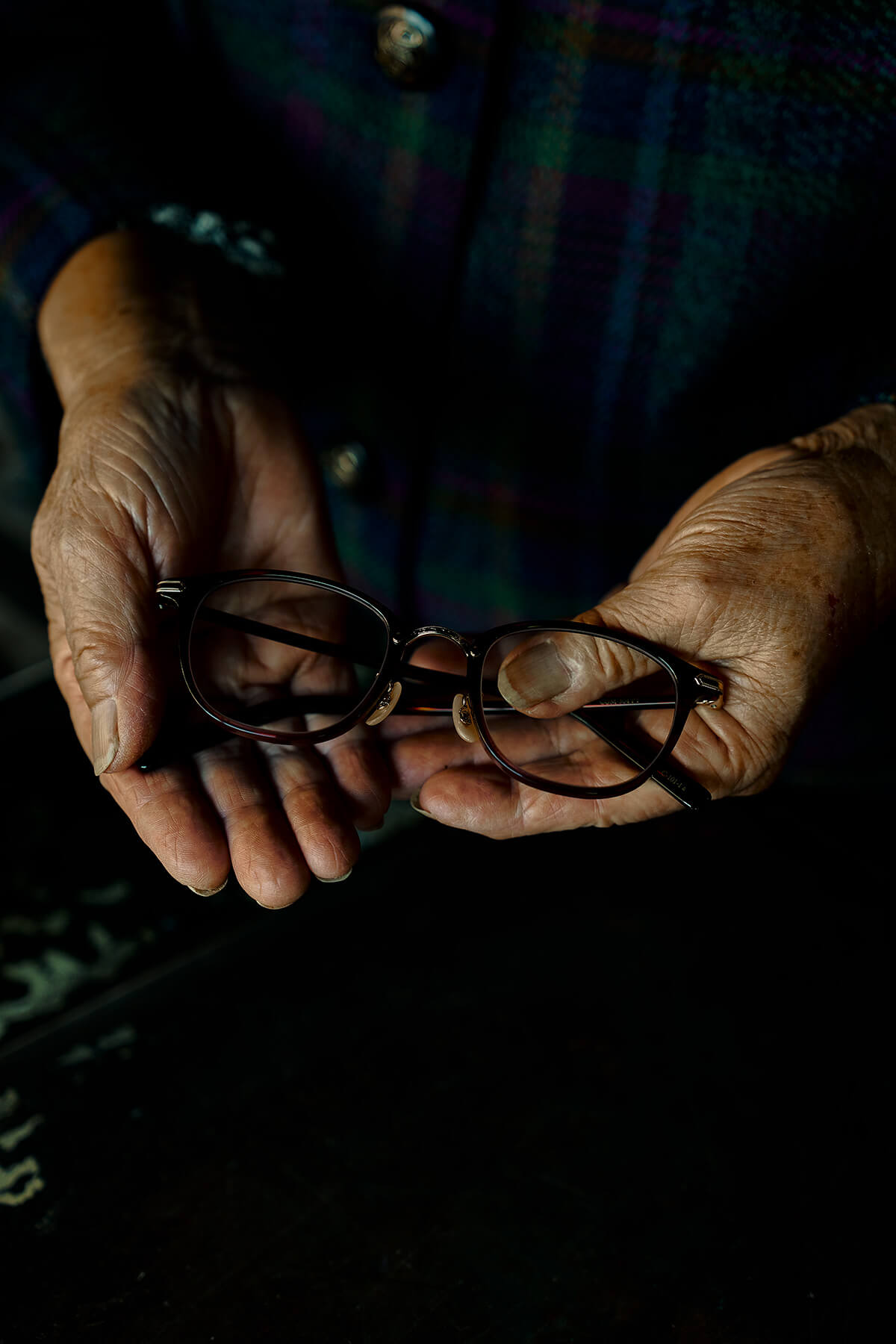
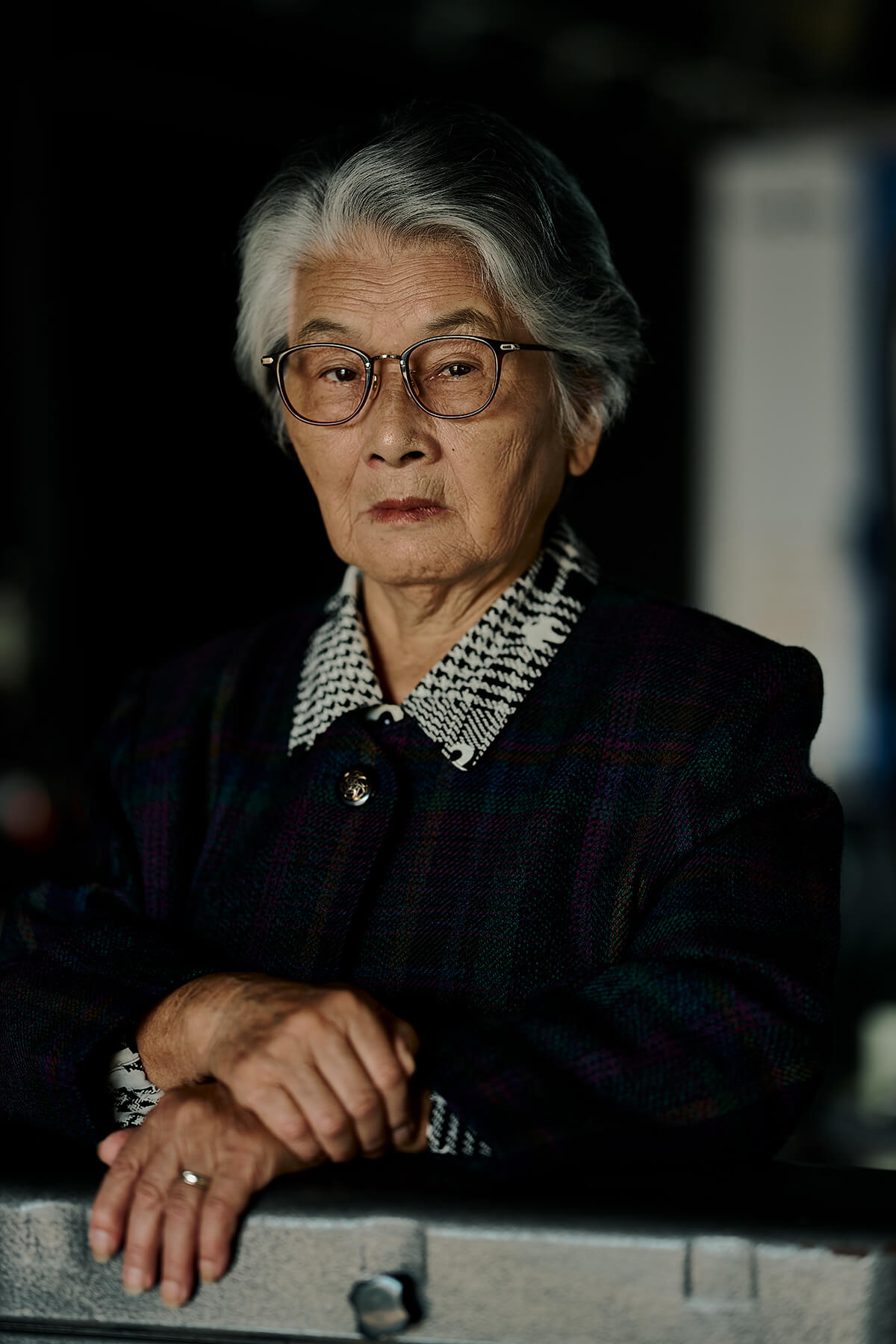
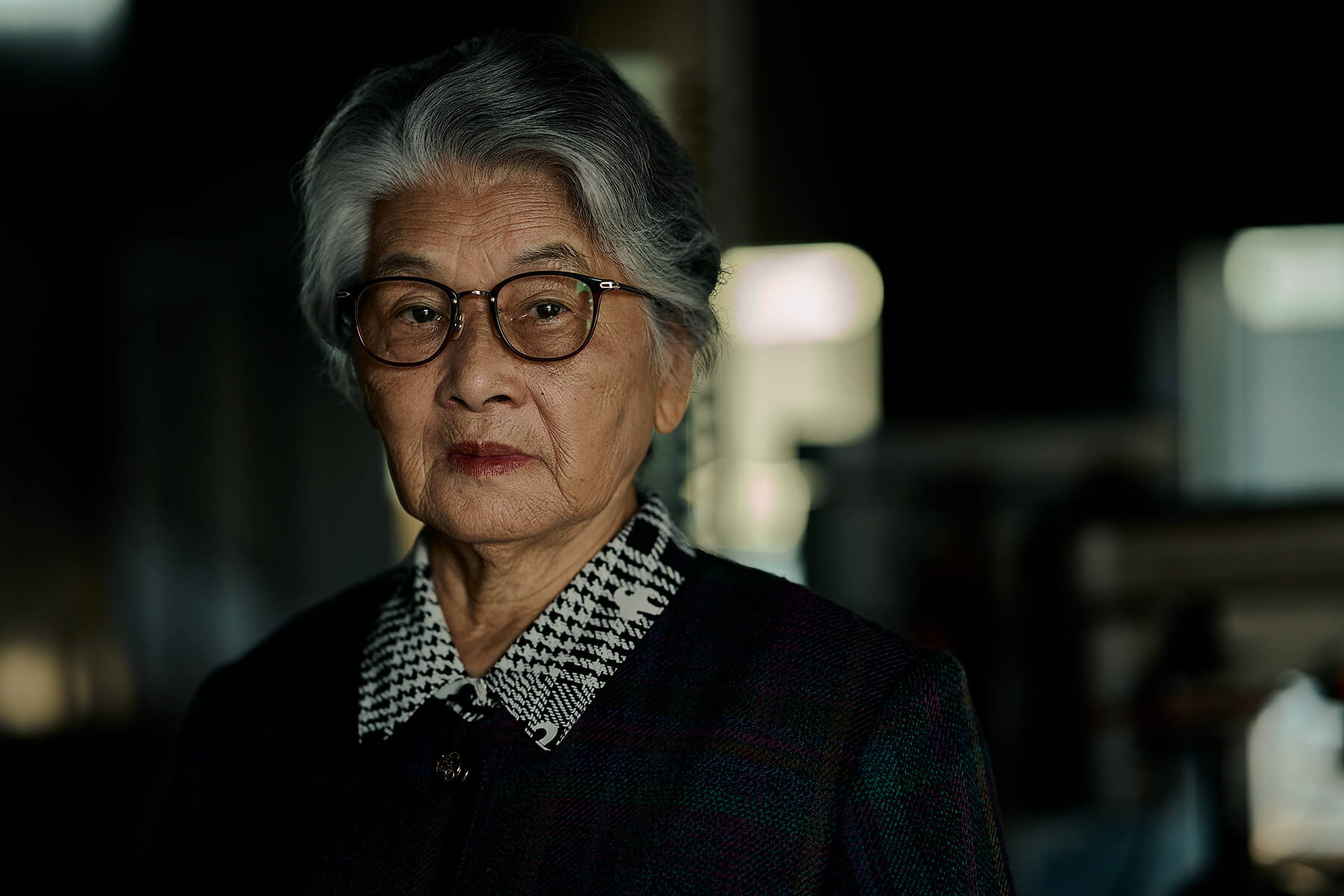
The “COM-304 PT” Sachiko chose from the COMBI series is a more simply finished frame, without the bald eagle rivets.
The houndstooth shirt showing beneath her jacket added just the right touch, and the texture of the glasses suited her softly lifted bangs beautifully. There was something charming in her dignified expression, almost like a movie actress.
Sachiko must have spent her long career as a craftsperson alongside Nobuo, who has the temperament of a craftsman, enjoying her interactions with people along the way. I’m sure of it.
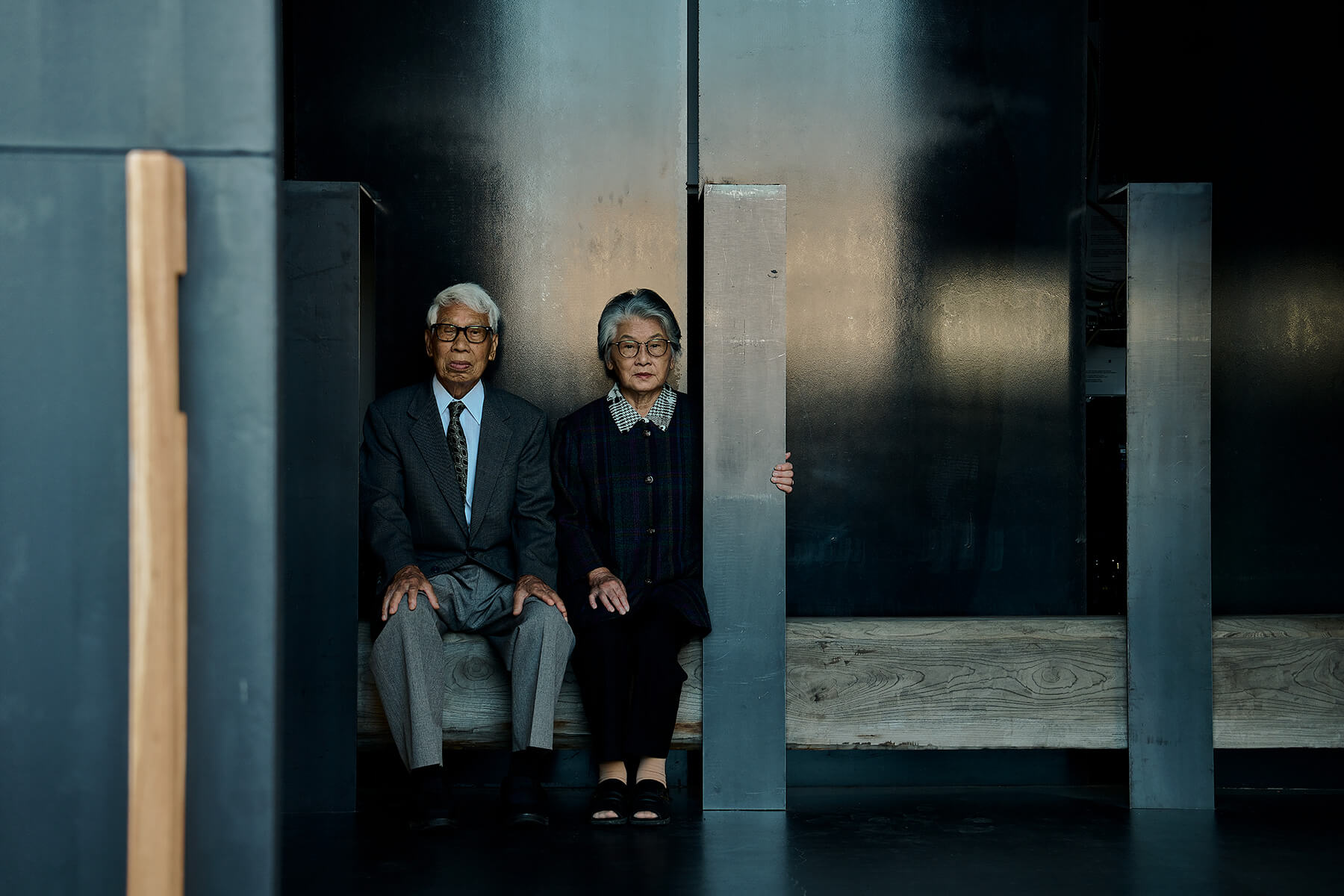
Nobuo and Sachiko. The two of them, standing side by side in their glasses.
What we have sought by putting "CLASSIC" into the name of our glasses begins to take shape through the two of them: something like universal beauty, or a sense of dignity.
Even after retiring from making eyewear, the couple continue to make things, using gourds they have grown themselves. On this day, they had prepared small gourd keychains as gifts for us.
They are made by layering several colors onto the gourds, then polishing the surface to bring out the colors beneath. Each one has its own unique combination of colors.
We held the brightly colored keychains in our palms and each expressed our delight.
There was something here that we had received from the Takagishis: machines for making eyewear, and the passion for making things that lives within those machines.
We will continue to make eyewear.
In this place, where something important remains.
As we were packing up, we saw the Takagishis off as they left a little before us.
The light illuminating the couple as they walked toward the exit was backlighting us. We watched their silhouettes walking through the light, narrowing our eyes slightly against the brightness.
“What a towering presence.”
I thought that as I touched the gourd keychain in my pocket.
FEATURING
- Nobuo Takagishi
- Sachiko Takagishi
SPECIAL THANKS
TAKAGISHI EYEWEAR
The couple worked together in the production of celluloid eyewear in Sabae, Fukui. Over many years, they dedicated themselves to making eyewear, building their skills and experience as craftsmen. They have since stepped away from eyewear production and now continue to create works using gourds they grow themselves, making use of their natural shapes and materials.
PRODUCT
from LOCAL EDITION #01