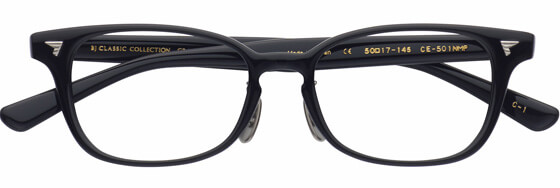
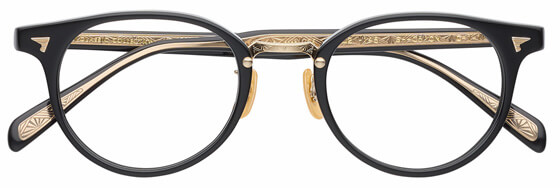
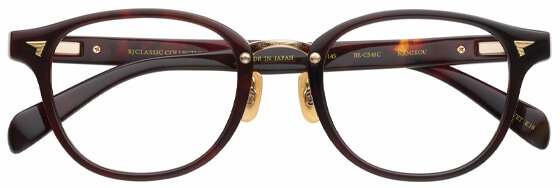
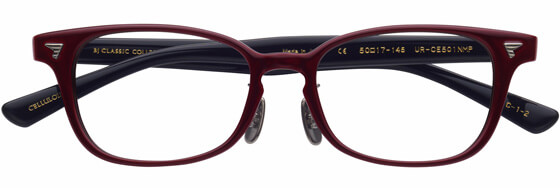
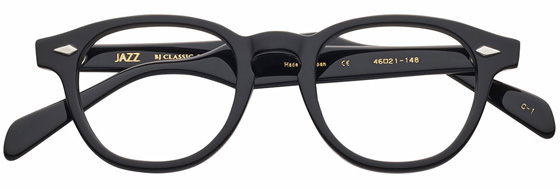
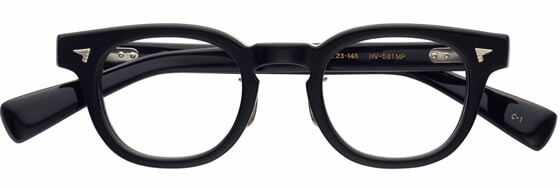
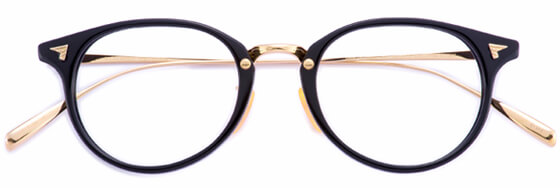
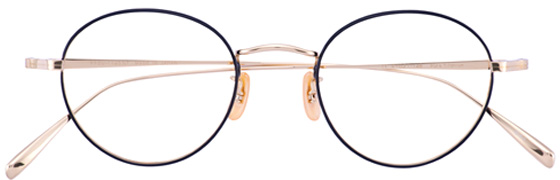
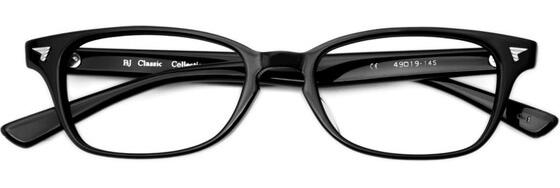
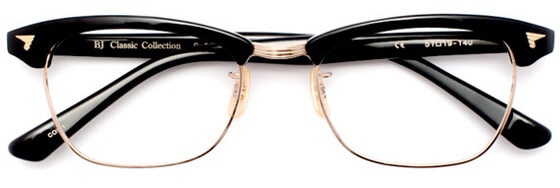
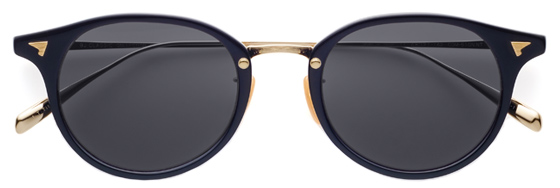
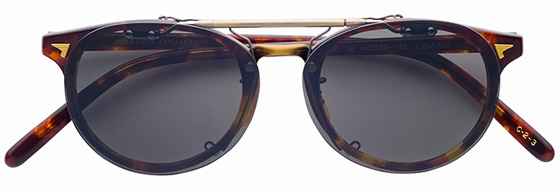
Eyewear born from
the craftsmanship of
eyeglass
and maki-e artisans,
lacquered
glasses
adorned with a deep, lustrous sheen.

Echizen lacquerware, passed down continuously for over 1,500 years.
Since ancient times, it has been deeply intertwined
with people’s lives, alongside the gods.
That craftsmanship now finds its way into the world of eyewear.
Captivated by this almost primordial, spiritual realm,
considered the very origin of Japanese craftsmanship,
together with the eyewear artisans of
“BJ CLASSIC COLLECTION,” it has opened up a new frontier.
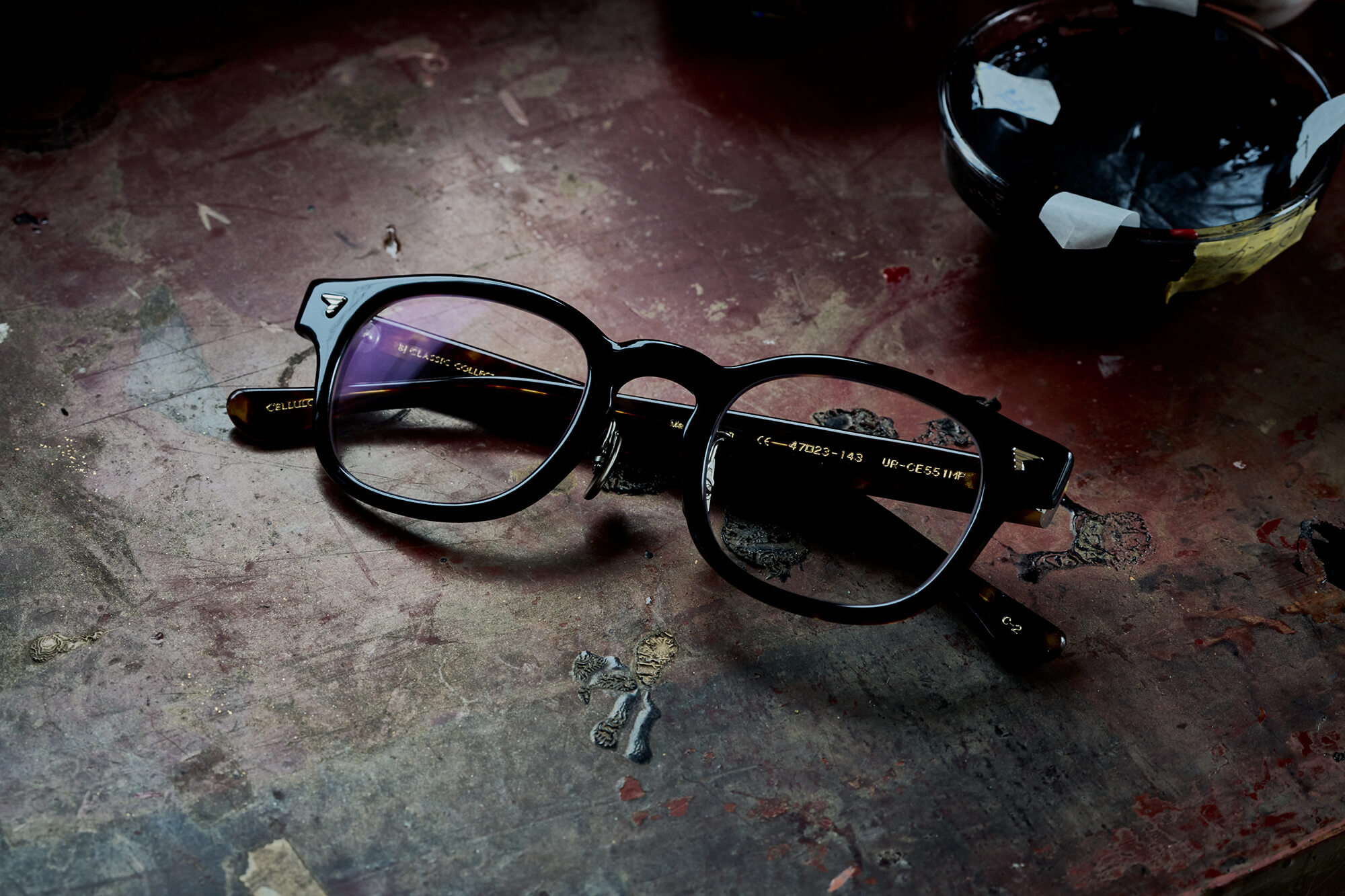
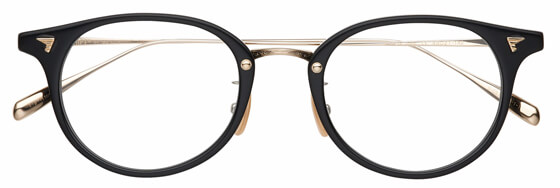
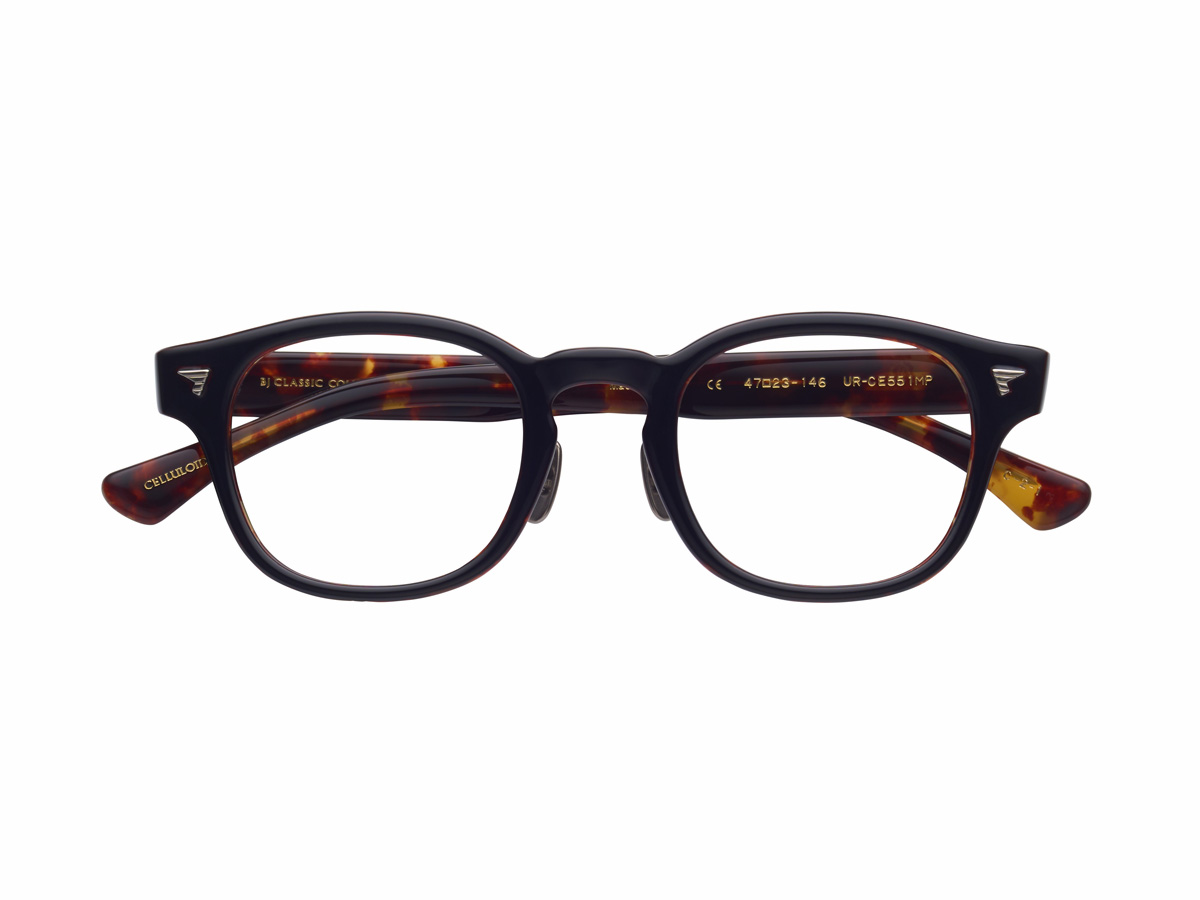
UR-CE551 MP 47
CRAFTMANSHIP

Tradition meets innovation, Maki-e craftsmanship.
1
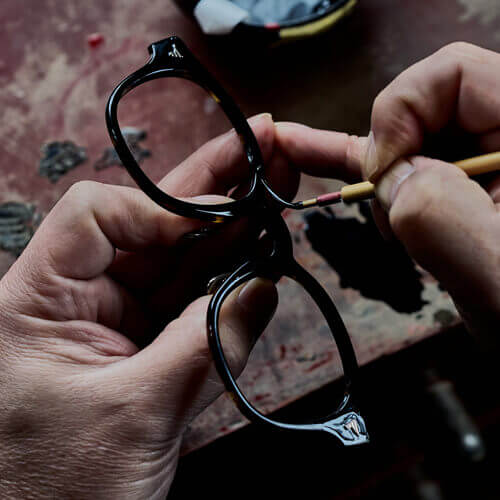
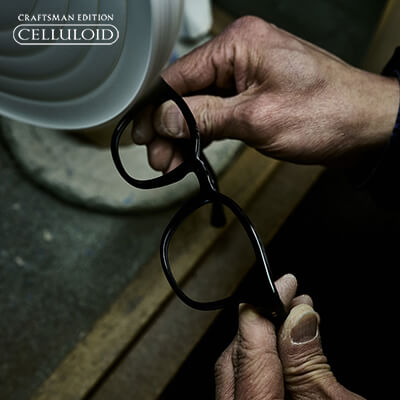
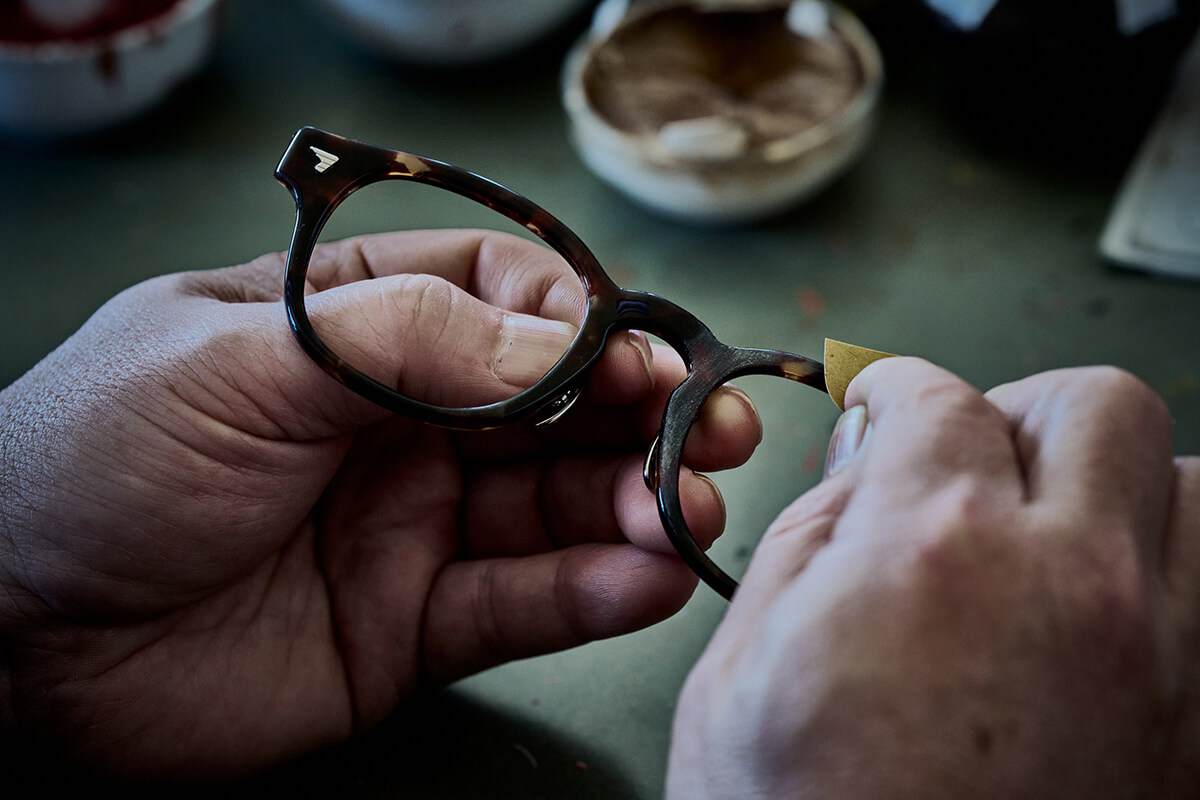
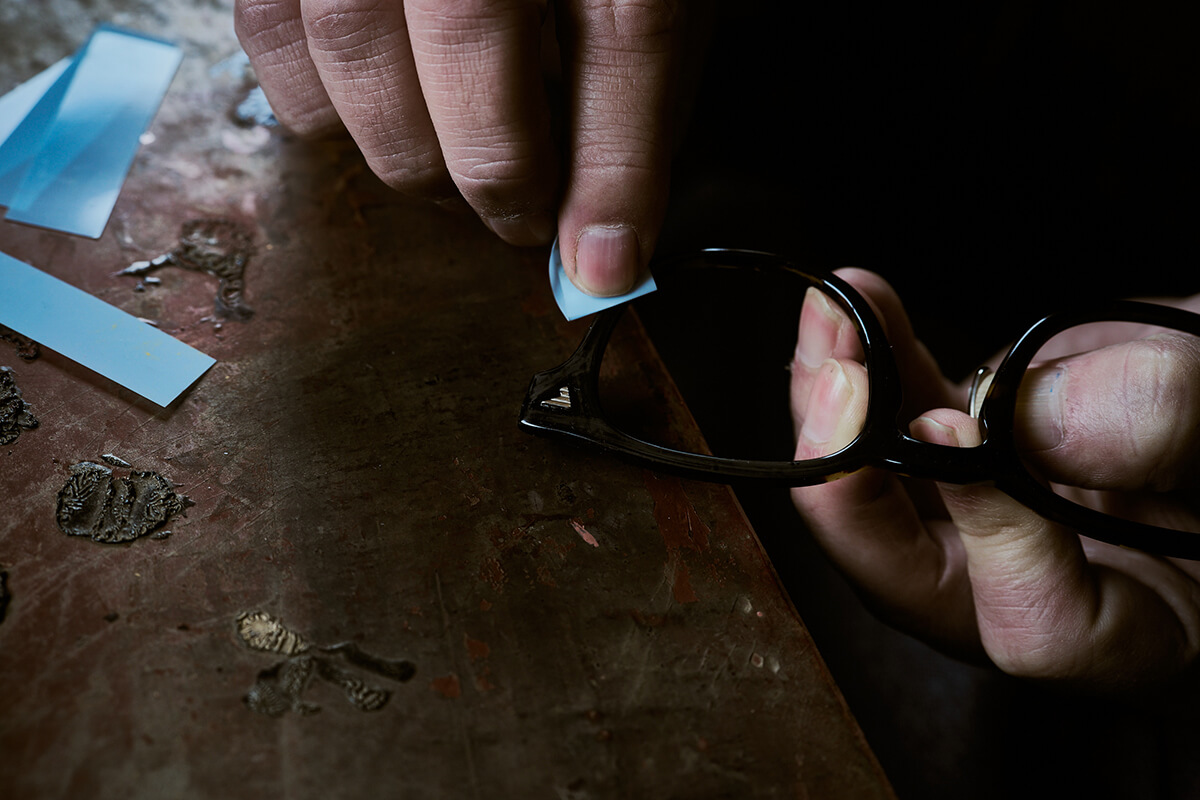
Polishing the Frame
The surface of the frame is polished to improve the adhesion between the material and the lacquer.
2
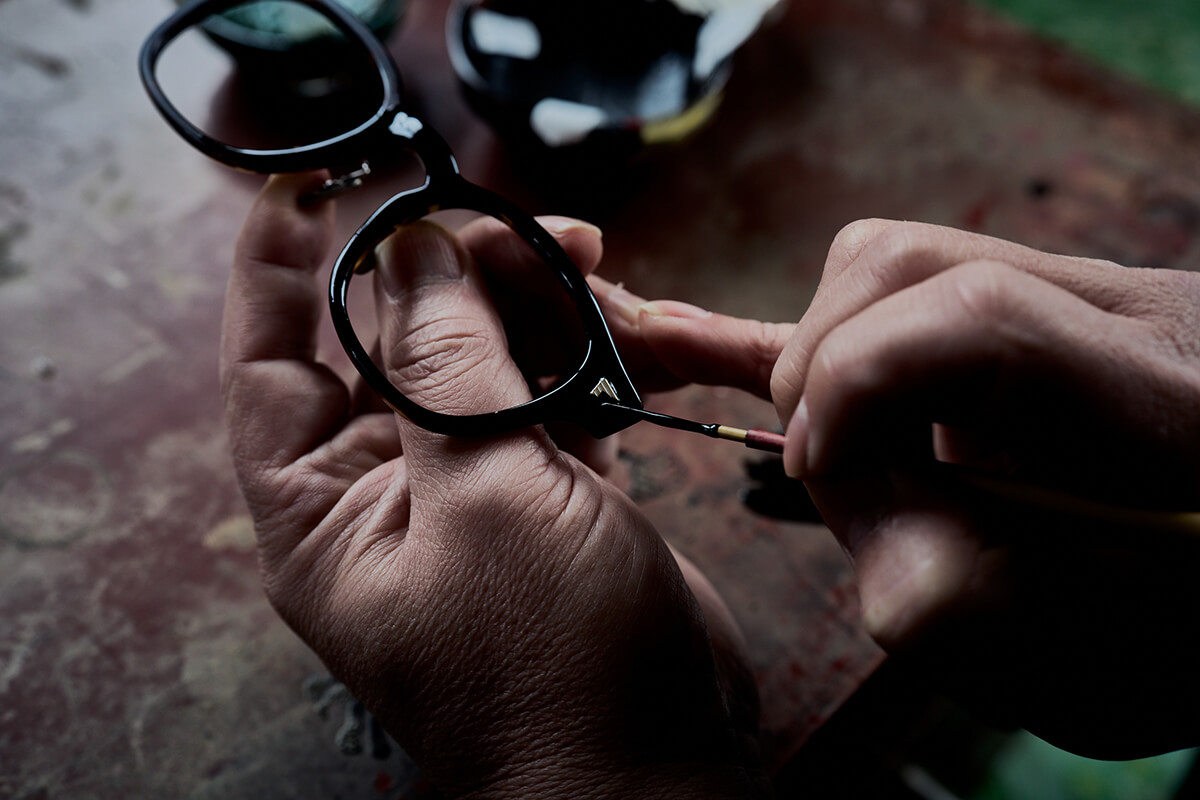
Applying the Base Coat of Lacquer
The initial layer of lacquer serves as a foundation.
By repeatedly applying, drying, and polishing, this crucial process determines the quality and durability.
3
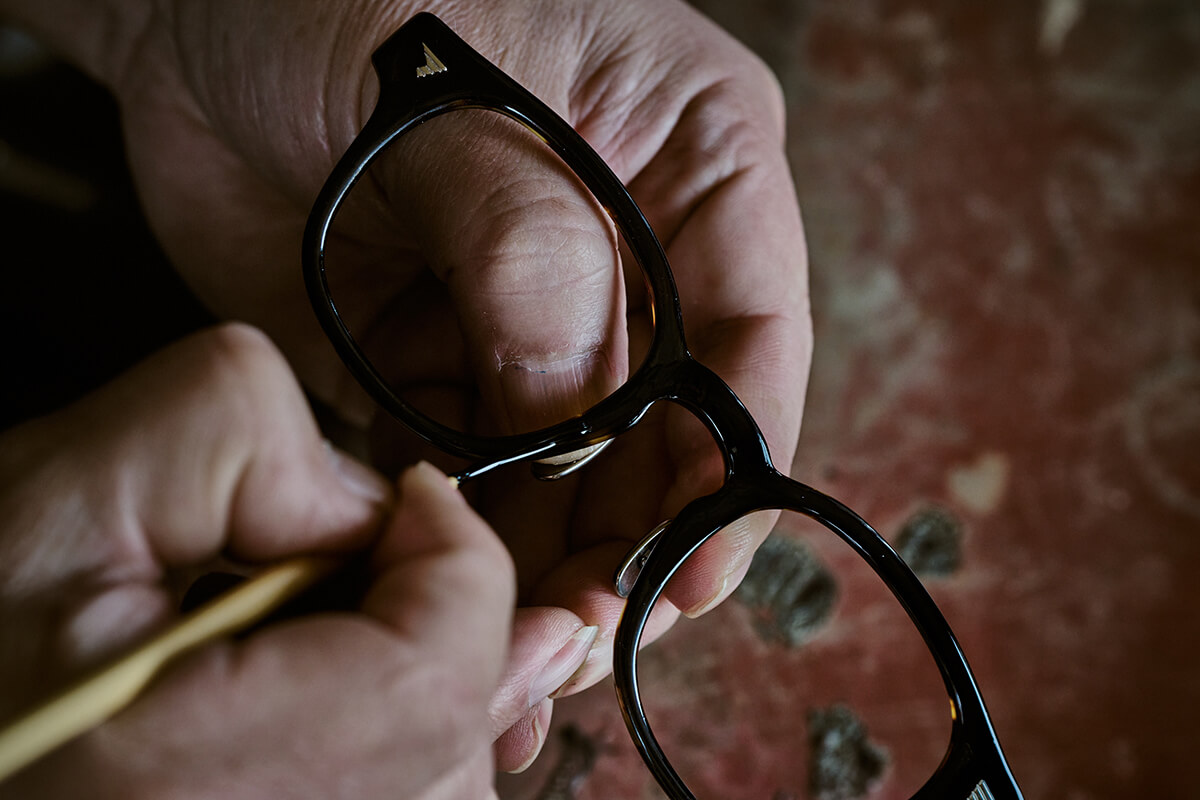
Polishing the Dried Lacquer
The dried lacquer is polished to improve adhesion for the next coat and to remove dust, impurities, and any unevenness on the surface.
4
Applying Multiple Coats of Lacquer
The top coating requires the skill to apply an even thickness as well as skill in drying.
As lacquer becomes hard through a chemical reaction, it requires a certain level of temperature and humidity.
Because the process is affected by weather conditions, years of experience are required.
5
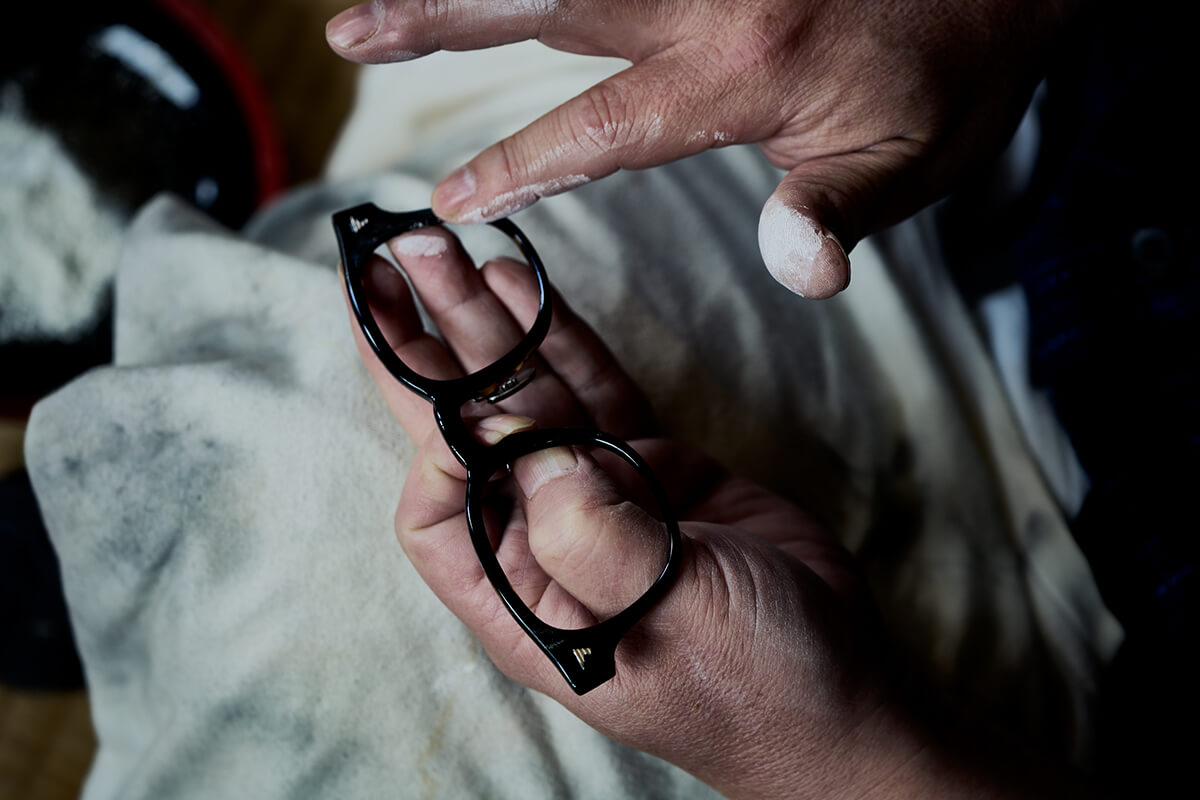
Ro-iro Finishing
The artisan applies a mixture of tonoko powder and rapeseed oil to their fingers and polishes the lacquer surface by hand.
This process smooths out any unevenness on the lacquer surface, making the softness and texture of the artisan’s fingers essential.
Through this process, the lacquer develops its characteristic deep luster.
PRODUCTS
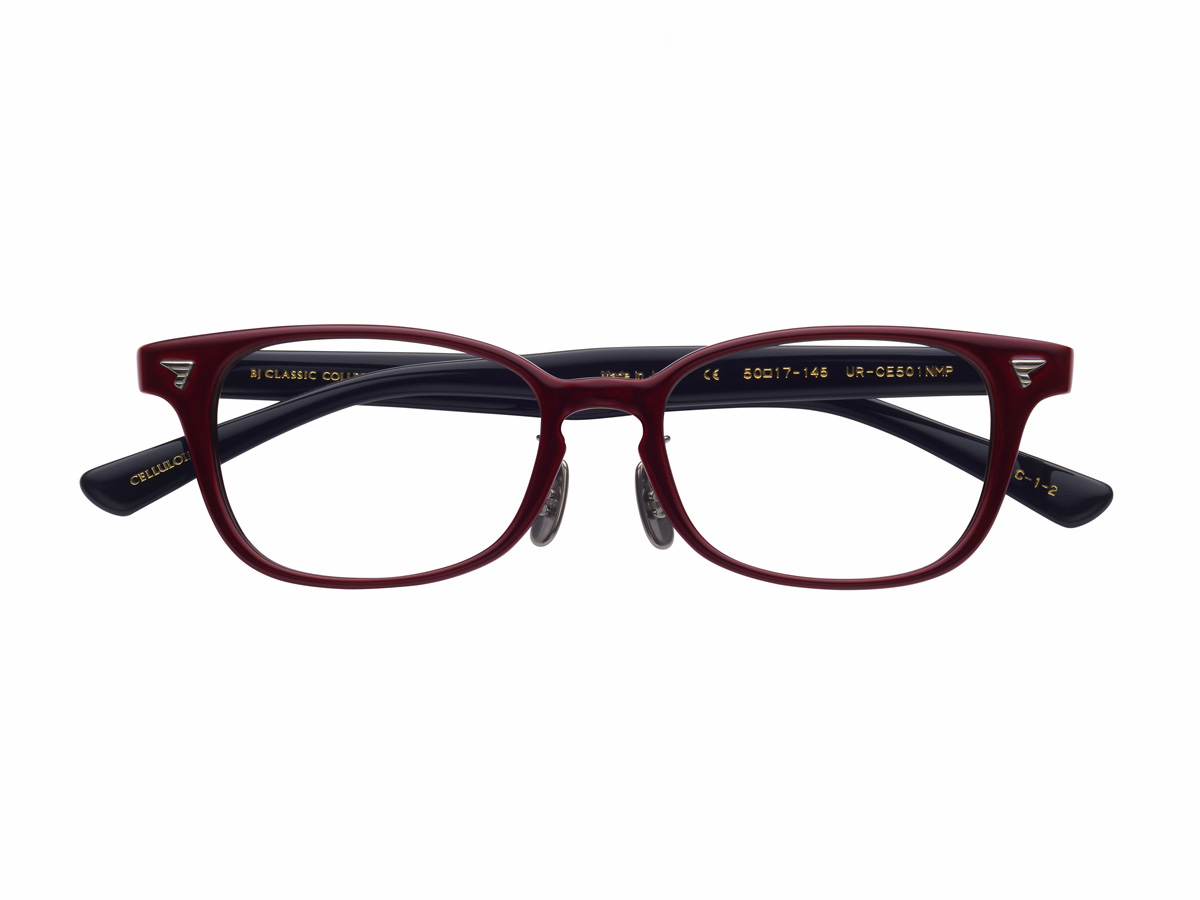
- Color
- C-1-2 BLACK-BENIDAME
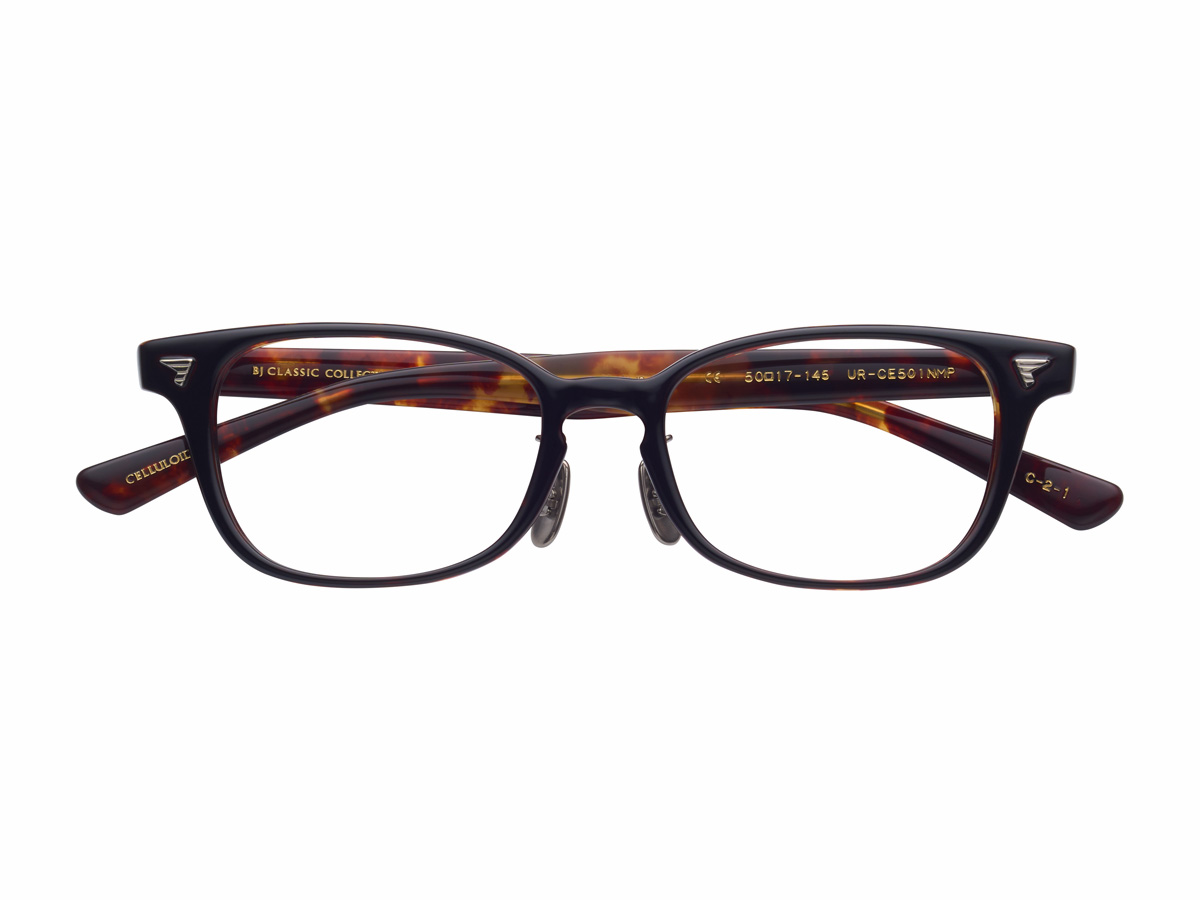
- Color
- C-2-1 BARAFU-KUROURUSHI
CRAFTSMAN EDITION
URUSHI
UR-CE501N MP
- SIZE
- 50□17-145
- SIZE
- 50□17-145
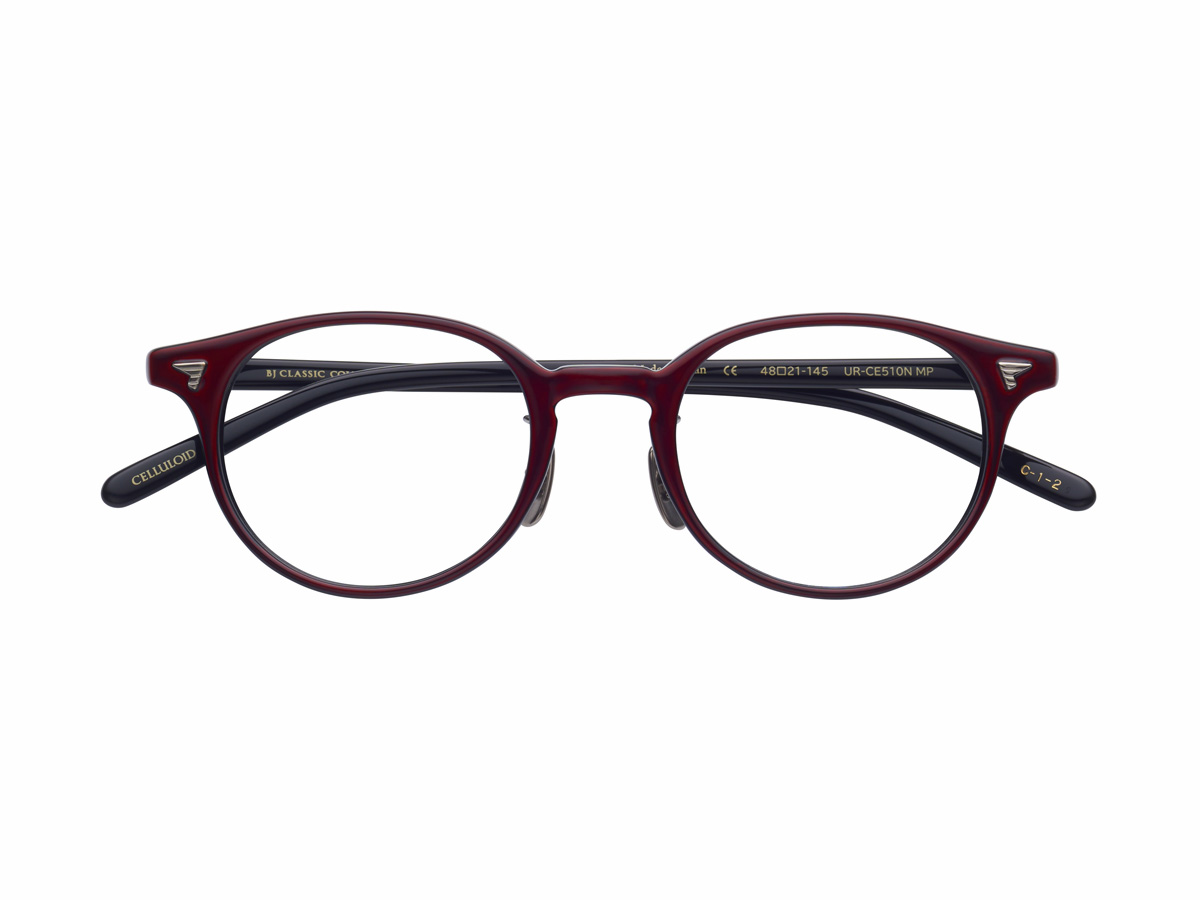
- Color
- C-1-2 BLACK-BENIDAME
- Color
- C-2-1 BARAFU-KUROURUSHI
CRAFTSMAN EDITION
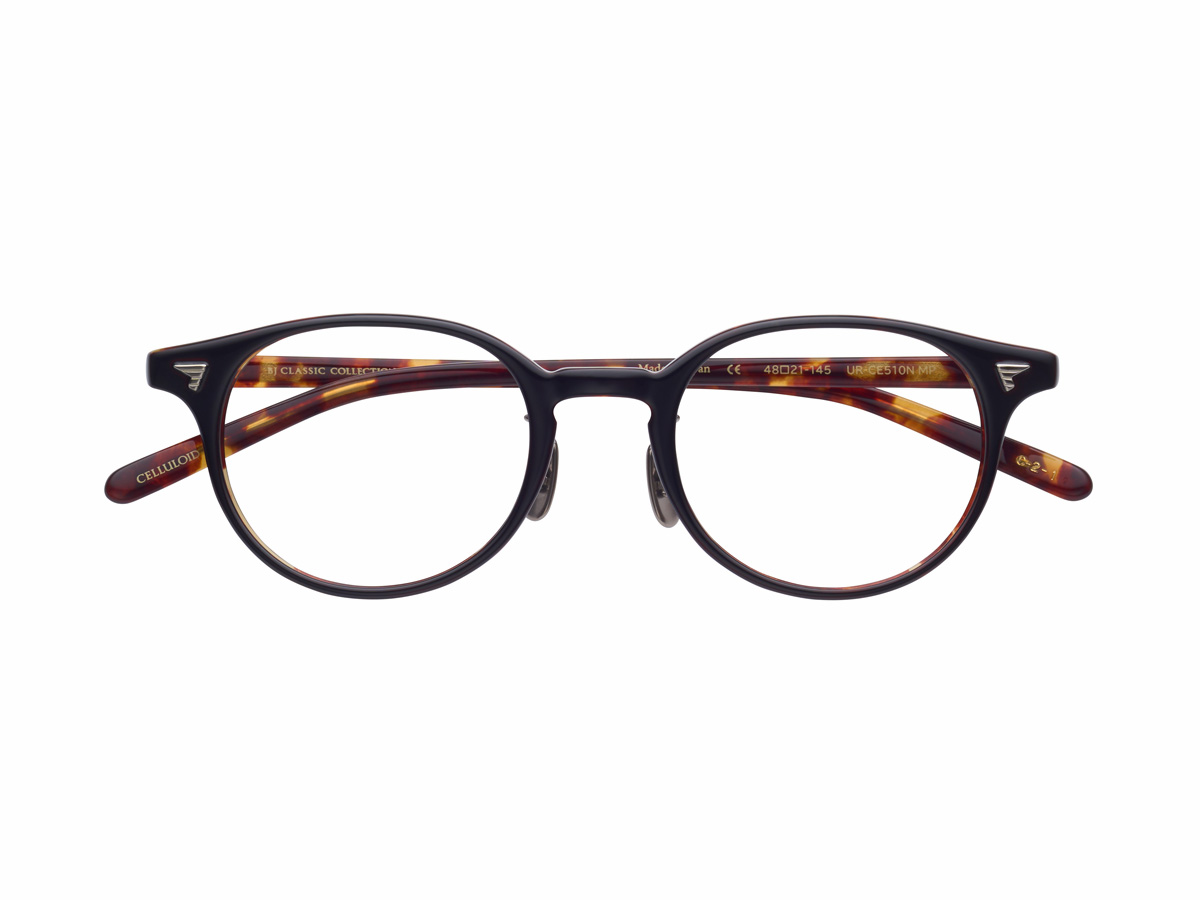
URUSHI
UR-CE510N MP 48
- SIZE
- 48□21-145
- SIZE
- 48□21-145
- Color
- C-1-2 BLACK-BENIDAME
- Color
- C-2-1 BARAFU-KUROURUSHI
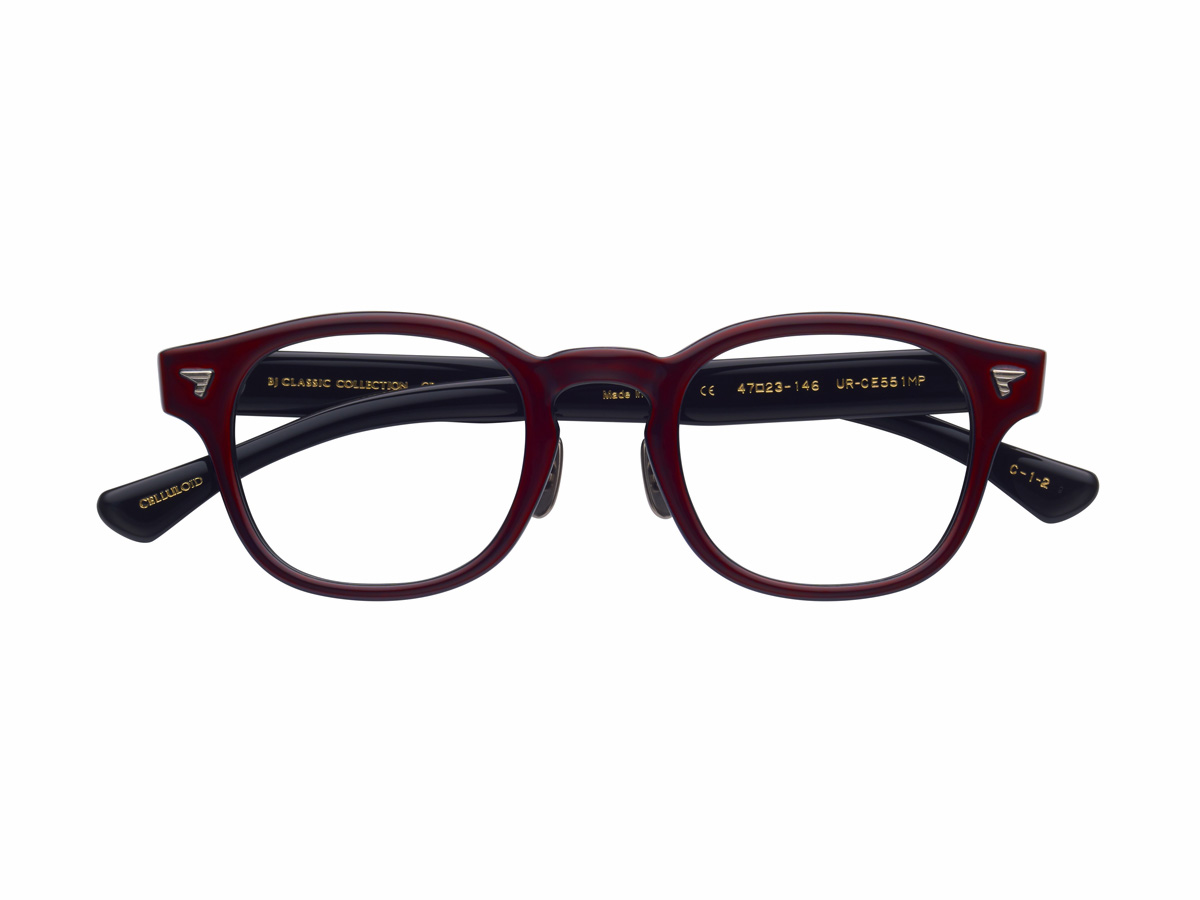
CRAFTSMAN EDITION
URUSHI
UR-CE551 MP 47
- SIZE
- 47□23-146
- SIZE
- 47□23-146
CRAFTSMAN
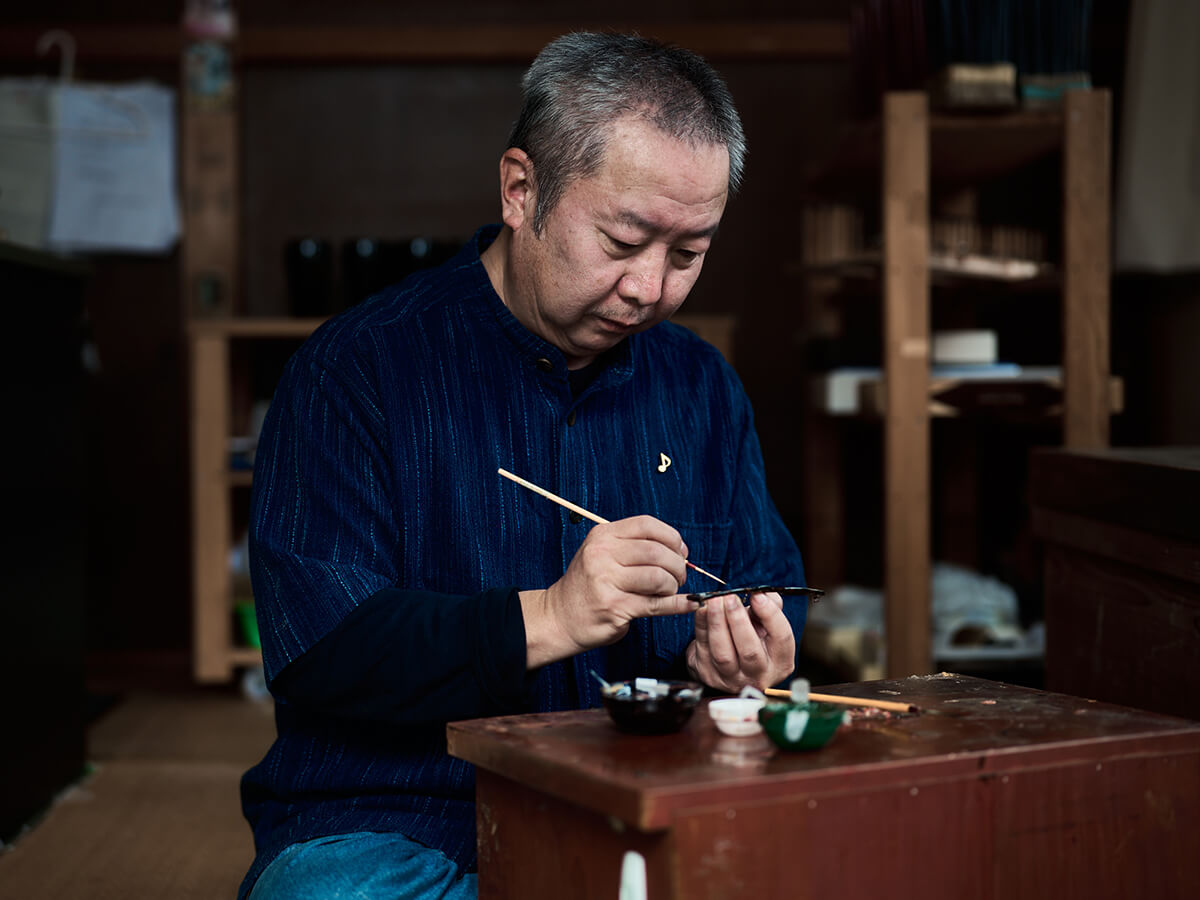
Echizen Lacquerware Maki-e Artisan
涼峰
RYO-HO
In 1985, he developed an interest in maki-e and trained under traditional craftsman Koichiro Tsukada. He became independent in 1992, adopting the professional name “Ryoho.” In 1993, he joined the Echizen lacquerware maki-e association “Shitsurinkai.” In 2019, his maki-e work was selected for use at the Imperial enthronement ceremony banquet (Kyōen no Gi). Since then, he has mastered numerous techniques and continues to be active at the forefront as a maki-e artisan.
Echizen Lacquerware
“Echizen lacquerware” is produced in the Kawada area of Sabae City, Fukui Prefecture, and its surrounding regions. Its techniques have been continuously passed down for approximately 1,500 years since the late Kofun period. Lacquerware production is based on a well-established division of labor, in which specialized artisans handle each process—base forming and coating (undercoating and top coating). Through these refined skills, lacquerware of refined beauty and durability is completed.